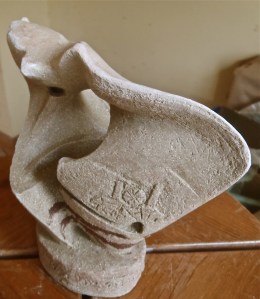
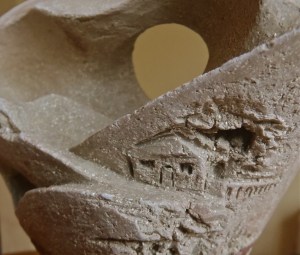
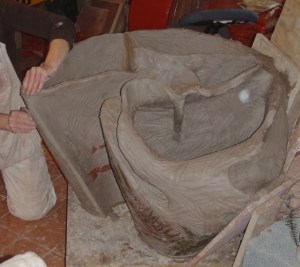
The Big Skill at SHYPP – Supported Housing for Young People Project.

11959984_1396460213707597_2050975536215992796_n-1

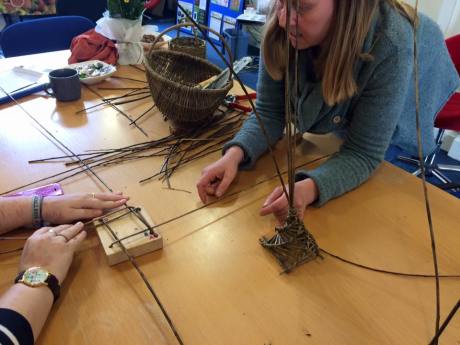
Fibre artist Emma Bevan’s Ffolkyffelt bring people together with new ways to express themselves.

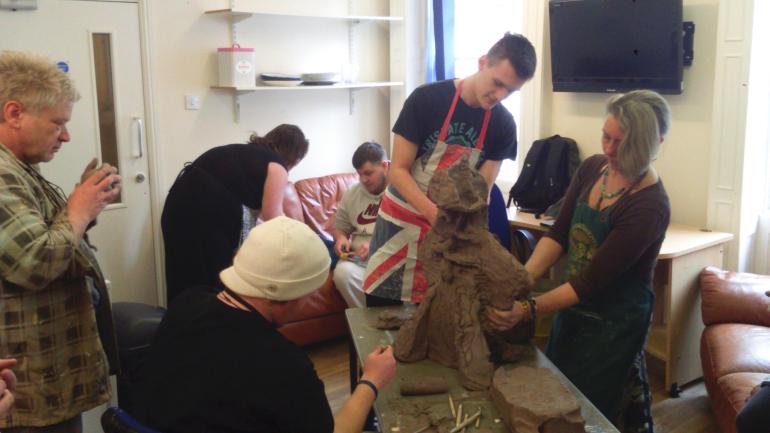
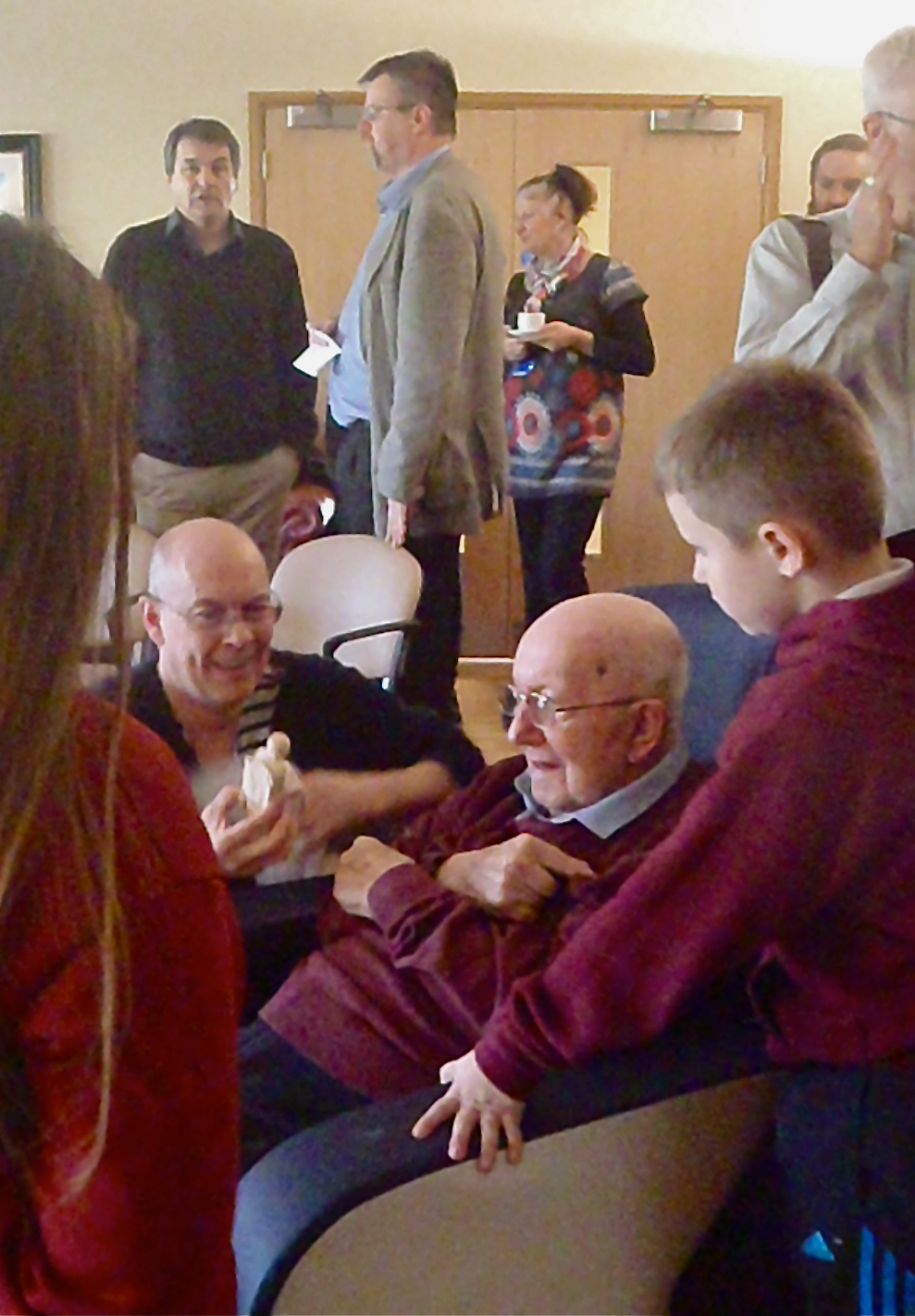
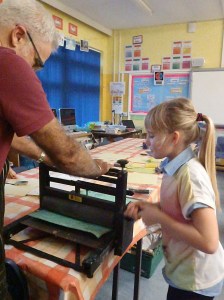
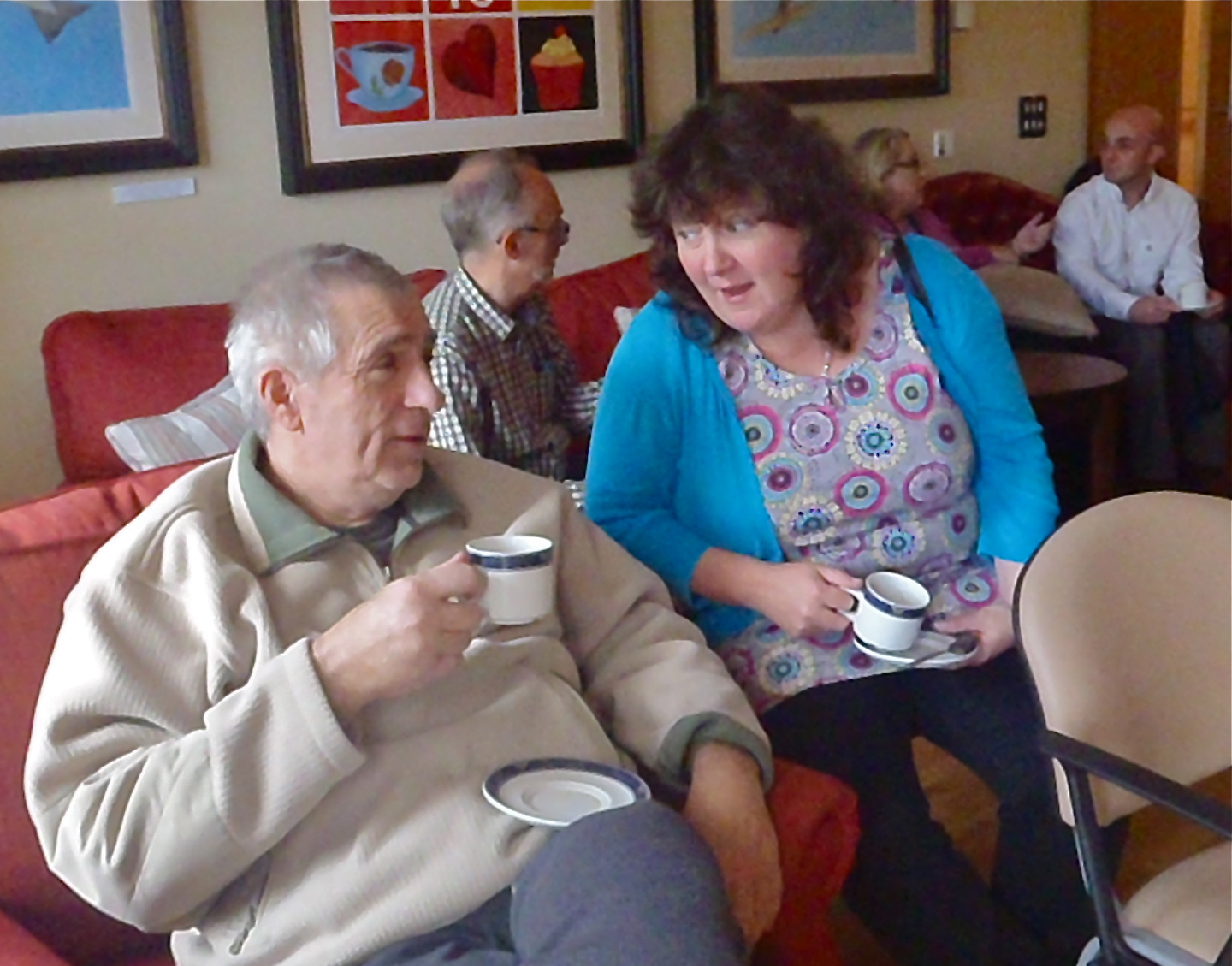
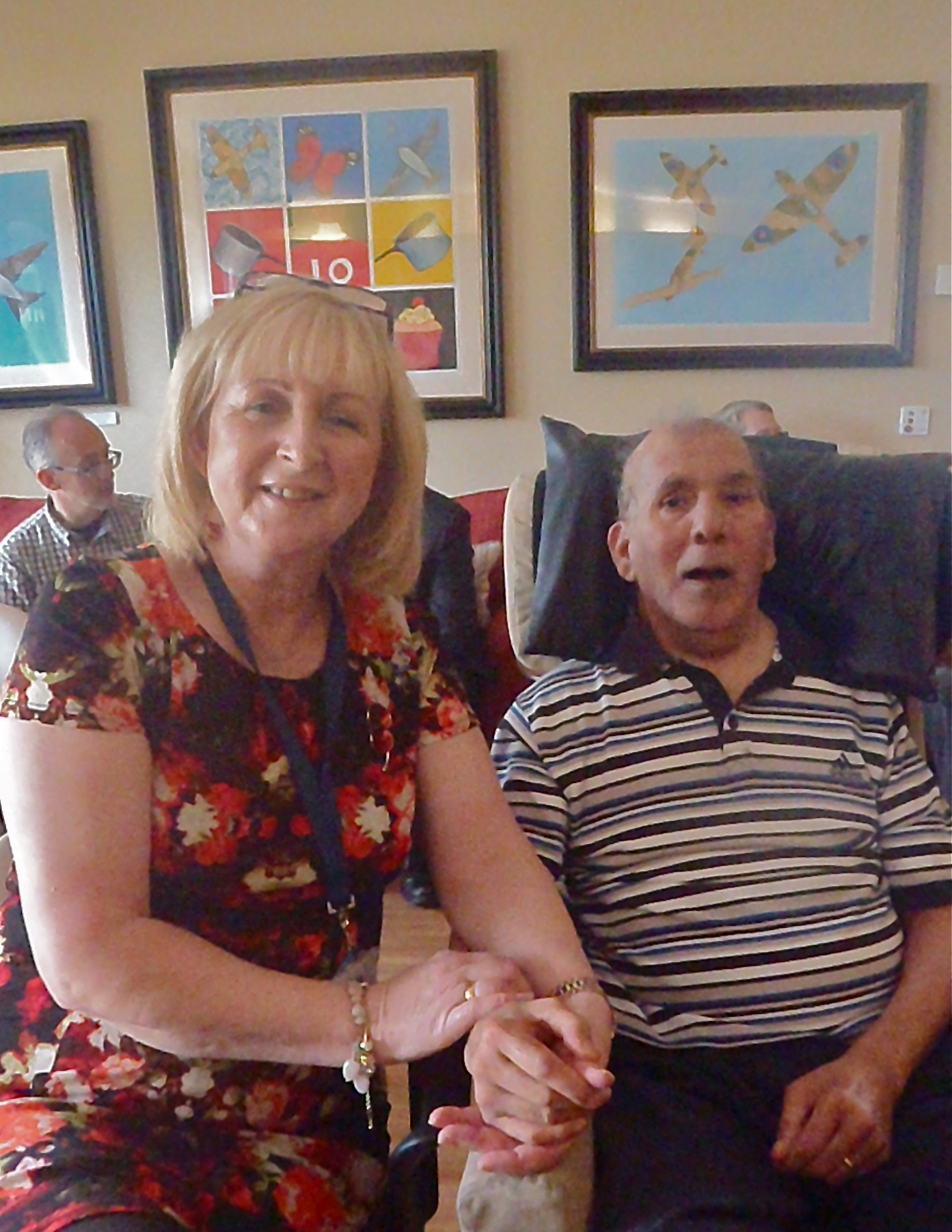
Working for  The Big Skill takes you to all sorts of great places and amazing people. The equally awesome and broad-thinking group, Herefordshire New Leaf brought us in to spend the day with SHYPP in Leominster.

The wide mix of people at SHYPP are wonderful. They are working together, supporting each other, daring to be open and creative even in one of the most difficult situations anyone can face. Being homeless is a nightmare especially if you are so young. Their website describes the work they do project perfectly:

SHYPP provides 16 – 25 year olds across Herefordshire with housing, training and employment opportunities.

We provide a range of accommodation suitable for young people at different stages of their lives including foyer accommodation, move on flats, shared houses and supported lodgings.

We are not just about accommodation we work with young people through training programmes and a wide range of activities.  SHYPP wants to give Young People the opportunity to develop independent living skills, identify their talents and go on to live happy and successful lives.  SHYPP also provides floating support to assist Young People in their own homes, enabling them to access accommodation, maintain accommodation and help with debt management.

SHYPP is a service driven by what young people want, this means projects develop according to their needs.”

The SHYPP Blog. is excellent and SHYPP’s  Facebook. has the same warm, positive, up-lifting feel.


The Big Skill goes well out of it’s way help fab groups like SHYPP to fulfil their best ambitions and it’s great to be part of it.

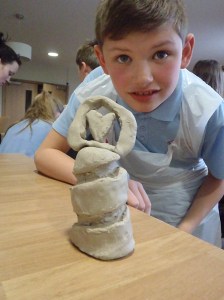
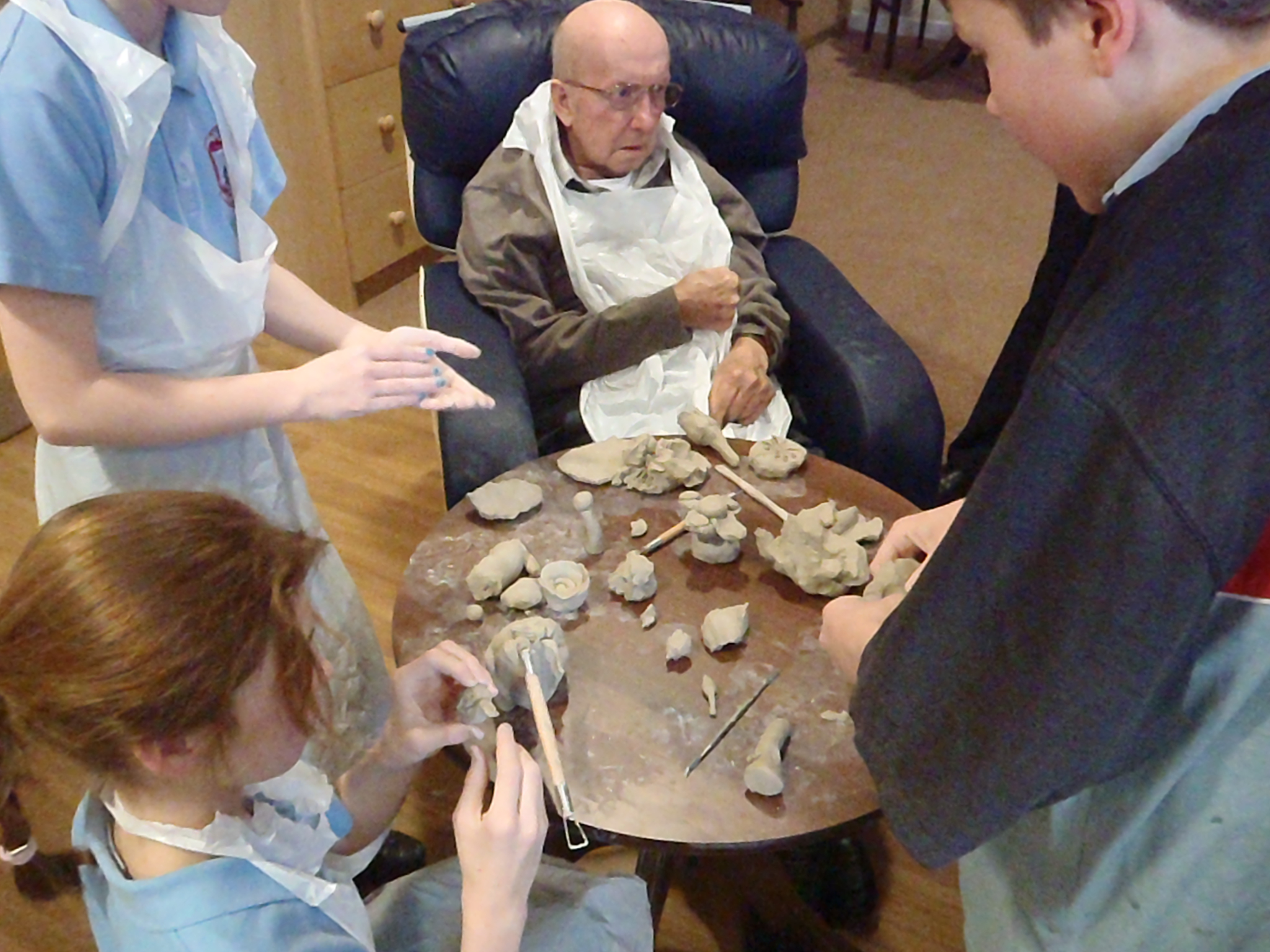
The Join -In sculptures are excellent: they can be adapted to fit any group or space. This time we used a tricky technique of building hollow and looking at portrait skills because the participants were sophisticated and really skilled. The key is for it to be a challenge to create the excitement and the rewarding achievement. Because all the clay is recycled, this is a cost-effective way to give people a chance to experience quality materials, tools and the challenges and buzz of making something on a large scale.

12919925_1396460407040911_8344412175372830974_n

One of the best parts of this day was that Kevin, a sculptor local to Leominster came along see the Join-in Sculpture in action, learn about the possibilities and try out the Scarva ES 50 Crank clay so that he could offer this workshop. They bought the clay at the end of the day. Perfect.

12971082_1191540624198015_4224611240142021105_o


12938215_1396460327040919_5648409311563897776_n

Studio Diary: The Marking Time Sculpture at Bronllys Hospital, Powys.part 4.

Working on a large scale means returning to the same form everyday for months. So you need to be sure about the design.

I’m really pleased with the scale of the Marking Time Sculpture. It is within the human scale range so that the embrace and  eye level of the dragon and the kite/guardian’s wings will feel very personal.

Marking Time scale model.

Marking Time scale model.

Osprey Studios has a flexible layout and a solid floor so that anything up to 6m x 3m can be built there which keeps costs down.

Osprey Studios has a flexible layout and a solid floor so that anything up to 6m x 3m can be built there which keeps costs down.

The base foot print was painted on the floor in red and the outline of widest/deepest edges painted in blue to check that there will be space to work around the forms. The largest section is set on blocks to give the height of the eye-line. The other 2 sections are on wheels for easier access. The base footprint is painted on the boards in blue.

I always miss my wonderful Volunteers from past projects at this point. But it is a lot easier to be building in my own studio. Advancing decrepitude means some of my systems for moving heavy loads around lack dignity. And I can loose myself in the curves.

Areas are kept wrapped in plastic to keep the drying even. When you add new clay you need to allow time for the water to re-balance itself down the form. A large piece will be holding gallons of water.

Areas are kept wrapped in plastic to keep the drying even. When you add new clay you need to allow time for the water to re-balance itself down the form. A large piece will be holding gallons of water.

I am building the armature of the piece. The final surface will be added to it so I need to keep the clay at the best stage of hardness. Scarva ES50 Crank holds its water really well while still being very strong at the leather-hard stage.

I will be adding a lot of deep texture and modelling so these armature walls are very thin. In places the lines and curves of the final form are showing.

There is an internal support structure made of clay that will stay in place during the firing. It will help to support the sections when the sculpture is cut up so you need to plan them well in advance. Other materials like foam and wood are used inside just long enough for the clay to stiffen. External supports can be anything. They will need constant adjusting to accommodate shrinkage. I have a treasured collection of heavy-duty props and oddly shaped bits of wood.

There is an internal support structure made of clay that will stay in place during the firing. It will help to support the sections when the sculpture is cut up so you need to plan them well in advance. Other materials like foam and wood are used inside just long enough for the clay to stiffen. External supports can be anything. They will need constant adjusting to accommodate shrinkage. I have a treasured collection of heavy-duty props and oddly shaped bits of wood and memory foam.

The lines of the supports can be distracting.

The lines of the supports can be distracting.

2/3 of the way up. But the forms are not complete, especially width-wise. You see the movement starting in the curves of the central space. I'm using the sound-track from The Legend of Korra to keep the theme consistent across the weeks of work.

2/3 of the way up. But the forms are not complete, especially width-wise. You see the movement starting in the curves of the central space. I’m using the sound-track from The Legend of Korra to keep the theme consistent across the weeks of work.

Studio Diary: The Marking Time Sculpture at Bronllys Hospital, Powys.part 3.

This project is a joy. The Theme and the build are very challenging, which is great. And I am working  for a wonderful team  of dedicated, committed people who have been involved in it, in various ways for years. They have all put in countless hours of voluntary time. The writer and poet Mark Christmas and designer Mick Farrell, both military Veterans, have been the driving force. They made a sheltered garden at Bronllys. They have contributed significantly to the design of the Marking Time walk and sculpture and they have donated beautiful poems written especially for the woodland site at Bronllys Hospital.

This one will be set at the entrance to the woodland.

Catching a Moment

Within these woods

there is a breath to be found

to ease new life into sight and sound

transforming our world and how we see

each branch, each twig, each living tree

so when the hurt inside we feel

creates distraction with no appeal

take a walk on this path to find this rhyme

you will no longer be ‘Marking Time.’

Dedicated to those who understand.

Mark Christmas, 2015

Mark Christmas has two ongoing projects that have formed some of the back-ground to Marking Time: The Abandoned Solider  ( or on Facebook) and the TAS Project.

This one will be part of the sculptures base.

We are the child of nevermind

Who, finding dreams lost, unfind

Who, wandering, walking paths unknown

to find a woodland overgrown

And seeing in that woodland Glen

The happy minds of nevermen

Who elfin laughter laughly speak

Of how we humans keenly seek

Some new haven overhewn

And child stars of the moon

Mick Farrell, 2016.

Both of these lovely people are right there anytime I need more information or

inspiration. They have been hugely supportive and encouraging.

Mark Christmas had formed a link with Ross Bennet, the out-standing Art teacher at Llandrindod Wells High School and we planned a Workshop there.

It is not easy for a school to accommodate a Project Workshop into their packed schedules. Ross and Head-Teacher Jane Asplin went well out of their way. IMG_6150

We started with the excellent, really skilful A-Level pupils. I brought along the model and described the project and what work needed doing.

IMG_6155

These guys are working on the panels for 2 of the corners. We talked about the use of repeating patterns in art-work. Marking Time has 3s running all through it. The pupils chose an elegant celtic emblem of 3 from the internet that will also echo the curves of the sculpture. The third panel will be the same shape, show a  version of the emblem and have the Dragon story set on it with stamps by Mount Street Junior School in Brecon.

IMG_6156

I particularly liked the choice the pupils made to have the panels linked but not the same.

IMG_1273

I lost track of what year groups came along during the day because they were all equally quick on the up-take, skilful, very creative and completely charming. It was an excellent day: the pupils were thoughtful about the project, open and forthcoming with their ideas, encouraging to each other, relaxed and friendly towards me.

IMG_1275

They have a fantastic relationship with the two Art Teachers: this is clearly an Art Department that goes above and beyond every day. Other pupils dropped in from 8.30am until 4.30 to get support, information and encouragement from the teachers they trusted. The Teachers never took a break and had their lunch on the fly. They knew every pupil and cared about every piece of work. It was inspiring!

IMG_6169

I wish I had had more time to look through the pupil’s portfolios. The couple I saw were wonderful and so was all the work on the walls. Pupils are being guided to their own style at this school. And they get the opportunity to use a wide range of materials including digital. It was great to see so many boys in the A-Level group.

IMG_6173

The central mosaic will be made up of coloured glass pebbles and beautifully decorated tiles, full of vitality, made by this wonderful group.

Llandrindod High School has taken the art-work on the sculpture’s base to a new level. So I’m re-designing the layout: the lovely mosaic tiles will easily hold their own and I don’t want to crowd them. Mick’s poem will now be in bigger letters and go on the face of the railway sleepers that will be the most visible. Mount Street Juniors will make a great job of those tiles.

Studio Diary: The Marking Time Sculpture at Bronllys Hospital, Powys.part 2.

Marking Time Scale Model 1

Marking Time Scale Model 1

It has been a really good Consultation period. Everyone has been very open and generous with their time and thoughts, even when it was very difficult for them to do so.

The models, figures, benches and bases shown are all to scale. The full sized versions would have more texture/detail and the benches would be a metre further away.

We identified our primary audience as the people using, visiting or working at Bronllys Hospital. The overall impression/feel of the sculpture should be up-lifting and hopeful to support those who are ‘marking time’ in  stressful circumstances.

“The sculpture should have an aura of peace that will not interfere with the person’s unique moment”

“…so people can sit down and stay calm and feel safe.”

” In the discipline of Marking Time and manoeuvres like that, vulnerable people can find structure for their chaotic lives.”

” Marking Time is marching on the spot, keeping the beat, keeping in step with the group, in readiness to move onto the next task.”

And this triangle is the spot where the Marking Time Sculpture will go. There will be comfortable benches set in place so visitors, patients and staff have a tranquil place to sit and get a break from the often over-whelming activity in the Hospital.

And this triangle is the spot where the Marking Time Sculpture will go. There will be comfortable benches set in place so visitors, patients and staff have a tranquil place to sit and get a break from the often over-whelming activity in the Hospital.

The children at Mount Street Junior School felt it was important to help the Servicemen and women to forget and to ease them back into civilian life with games, walks, sports and domestic routines. The Ex- Servicemen and women agreed that humour and a sense of playfulness were key in allowing them not to forget but to learn to feel again. Military training is, by necessity, dehumanising:

“Dehumanised Soldiers find it hard to play nicely…”

“Snowball fighting can be more fun than real fighting because nobody gets hurt.”

The children agreed that ” The Soldiers need a bridge for when they come back to their families from the War.”

Many Servicemen are adolescents when they join-up and  their training replaces the natural pace of growing up. They cannot contextualise the shocks they are exposed to.

Marking Time Scale Model 1

Marking Time Scale Model 1. Bird forms in many sizes creating movement around the central space. 160cm H.(incls base).

Marking Time Scale Model 2

Marking Time Scale Model 2. Bird forms with a patterned texture suggested. 1metre high from the ground.

So: a sculpture with a narrative that releases the imagination, shows protectiveness and how the burden of being fierce and brave is shared and eased by those, of all sizes, being protected.

Marking Time Scale Model 3

Marking Time Scale Model 3. Three bird-forms.180cm H (incls base).

“A flowing circle, the movement of life, love, hope and promise will draw you in and guide you to change.”

Marking Time Scale Model 3

Marking Time Scale Model 3

Marking Time Scale Model 3

Marking Time Scale Model 3

“Regrets, we all have them. You need Hope to manage them.”

“Ephemeral, shadow-like.” ” A dragon in the mist.” “Inter-weaving the real and the etherial, making them equal.” ” Dragon of protection, Bird of hope.” “Intertwined spirals” “Water represents calm and peace. Flowers represent beauty. Dragon represents protection.” “…and a mystical Dragon and a moat with 3 piranhas.”

Marking Time Scale Model 4

Marking Time Scale Model 4

                                                  “The Bronllys Dragon by Ben,aged 8.

             Once upon a time there was a Dragon called Yddraig Goch. He would guard the Castle day to night until one day the Gorgan Maduser came. She looked the dragon in his eye but Yddraig Goch was quick as lightening to fly away. Yddraig Goch flew to the Military and perched on the roof. The army heard a thump on the roof and found Yddraig Goch, the Welsh Dragon.

                                               “Shoot him” said Ian. “I am ready, Sir”

                                                         “Wait!”said the Captain.

                                                         “What?!” said the army.

                                               “It’s Yddraig Goch, Lets make friends.”

              “What, with a Dragon?”  “Yes! Maybe he can help us against the other armies.”

Marking Time Scale Model 4

Marking Time Scale Model 4


The triangle base and the use of 3s has multiple significances in the Military, where groups are divided into 3 parts throughout it’s structure starting with Army/Airforce/Navy. Celtic and Christian symbolism is over-flowing with 3s.

Linked to the triangle is the heart shape, despite its over-use, still a “powerful symbol of the strongest emotion, the one that triumphs over all others.”


Marking Time Scale Model 4

Marking Time Scale Model 4

In Wales the Dragon is an especially potent icon representing the Land and bravery. The Red Kite is the Welsh National Bird and the symbol of Powys. Red Kites live separately but hunt and feed collectively when ever they can. They have an ordered community and share food and protect each other. After nearly going extinct in the UK due to cruelty and stupidity, their recovery has been brought about by the protection from a better society. Breeding from the surviving Welsh Kites, their numbers are growing: like the phoenix rising from the ashes.

For each version of the Sculpture: The Mosaic Base.

            The base of the sculpture will raise slightly in the centre of the triangle. A mosaic of good sized tiles of many shapes, with images and words about what makes up a strong Community, made with Mount Street Juniors and the A-Level students in Llandrindod Wells and beautiful, and vivid glass pebbles will be set in swirling lines with the most colour in the centre representing souls, ideals, that which is vulnerable and precious. 

The colours are blues/greens/yellows.

In the corners of the triangle will be set large tiles with ‘Accept the Past’, ‘Trust the Present’ and Faith in the Future’ and celtic knot-work carved on them.

 Assessment:

I don’t recommend Models 1-3. They are lovely in themselves but don’t quite hit the mark. They have been useful transitionary pieces.

Model 4:

The dragon’s expression will be extremely gentle and caring. The birds, of all sizes and types but mostly red kites will soar out from the centre. They will have a softness to their lines. They will support, encourage and assist the benevolent dragon, their wings working with his.

The max height (including base) is 180cm. Width: 150cm. Depth: 180cm.

The form has lightness and movement but is actually very strong and safe in all the ways discussed.

There will be many view-points of the mosaic.

The full sized version will have expressive textures and many more birds than could be put on a small model. It will be a very complex build and I am happy to add voluntary hours to the budget and time-line in order to complete this challenging piece because I believe it will be very beautiful.

Model 4 uses the consultation resources and our intended outcomes to the best effect. I feel everyone who contributed will be very pleased and will be able to see that their work is included.


Model 5: This is a condensed version of Model 4. It has the best of Model 4 and it adds the iconic local sky-line of Pen y fan mountain in the near-by Brecon Beacons. The Kite is now powerful enough to bring a sense of guardian angel to the mix. The Dragon and the Kite interact to create an embrace around the centre of a richly coloured mosaic of glass pebbles and hand-made and decorated tiles in shades of blue and green that swirl outwards from the centre. It has 3 points connecting it to the ground. There are 2 holes through the form.

Marking Time, Bronllys Hospital, Scale Model 5.

Marking Time, Bronllys Hospital, Scale Model 5.

Marking Time, Bronllys Hospital, Scale Model 5.

Marking Time, Bronllys Hospital, Scale Model 5.

Marking Time, Bronllys Hospital, Scale Model 5.

Marking Time, Bronllys Hospital, Scale Model 5.


The max height (including base) is 180cm. Width: 150cm. Depth: 180cm.

The form will not get cluttered with leaves in the way that Model 4 will in this woodland site. Model 5 will age gracefully with out looking neglected. It is sturdy and safe while retaining the flowing movement.

Update, 5/3/16

To keep within the Budget we need to reduce the size of the foundation.

Model 6 is based very much on Model 5 but it is divided into 3 sections which has lead to some interesting and lovely developments in the forms. The sense of the protective, sheltering embrace is still clear but there is more movement and echoes of bird-forms. The dragon’s head is moved into the centre adding to the protective feel and this enhances the over-all silhouette.

The dimensions are the same. I have added to the base-line so that the 3 forms are self-supporting to ease strain on the small foundations.  When the sculpture was a single form it supported itself from tipping over. But the weight was all standing on 3 small points that would have put a lot of strain on a small foundation. The 3 sections allow some ‘give’ as the sculpture settles on the site.

This model is not as neatly finished as Model 5: don’t let that distract you. I will use both models during the build.

Marking Time Model 6.

Marking Time Model 6.


Marking Time Model 6.

Marking Time Model 6.

Marking Time Model 6.

Marking Time Model 6.

Marking Time Model 6.

Marking Time Model 6.

Marking Time Model 6.

Marking Time Model 6.

The foundation will have 3 parts linked by a reinforcement-bar grid. Hard-core will form a small rise towards the centre. The mosaic will be set into hand-made cement paving slabs made at Osprey Studios. This will give more time to the layout of the mosaic and the results will be better than setting them onsite. It will save the surprisingly large cost of Out-door Tile Adhesive.

This is a good set of solutions with a lot gained and nothing lost except the costs of a large, poured foundation. It does create a lot more work for the sculpture-build but I am willing to take that on: it will be satisfyingly challenging.

Studio Diary: The Marking Time Sculpture at Bronllys Hospital, Powys.part 1.

A new woodland stroll is coming together beautifully at Bronllys Hospital, near Brecon.

A new woodland stroll is coming together beautifully at Bronllys Hospital, near Brecon. This fantastic oak tree is opposite the walk’s starting point.

The path is laid.

The winding path is laid with beautiful curves, reminiscent of  celtic-knot-work.

And this triangle is the spot where the Marking Time Sculpture will go. There will be comfortable benches set in place so visitors, patients and staff have a tranquil place to sit and get a break from the often over-whelming activity in the Hospital.

And this triangle is the spot where the Marking Time Sculpture will go. There will be comfortable benches set in place so visitors, patients and staff have a tranquil place to sit and get a break from the often over-whelming activity in the Hospital.

Site Meeting. There is a really good-hearted group of people involved in this. They have spent a lot of time planning this Project with care and thoughtfulness. It is lovely to join such a strong Team. The Theme is how the military and the community support each other.

A really good Site Meeting covered all the restrictions and health and safety issues. These matters begin the process of defining  the boundaries of a new sculpture.

There is a really good-hearted group of people involved in this. They have spent a lot of time planning this Project with care and thoughtfulness. It is lovely to join such a strong Team.

The Theme is how the military and the community support each other. There are various Military Bases in this area including the world famous Gurkhas in Brecon. Many local families have military connections.

This is a subtle Theme and there is no obvious answer to it. We need to create a sculpture that will have genuine value for the people who will see it.  A piece that will draw the viewers in and give them some peace and hope. We need to pin-point what communities and the military have in common that is relevant to the hospital site.

Kids can be brilliant at putting their finger on the mark. Mount Street Junior School in Brecon has a lot of Military kids.  I spent a wonderful day on a huge join-in sculpture with 70 year 3 and 4 Pupils and the lovely, guiding staff.

Mount Street Junior School, Years 3 and 4 making a model of a town that cares for and supports it's Military members.

Mount Street Junior School, Years 3 and 4 making a model of a town that cares for and supports it’s Military members.

In the morning we made a town like Brecon and spread it over a network of tables across the double classroom.

I went around helping, talking through ideas and taking notes. These children were very forth-coming, imaginative and empathetic. They expressed their ideas clearly and thoughtfully. It was a joy to work with them and they were very helpful in clarifying the theme for the sculpture.

There was a Military Base on the edge of town:

A Military Base with tanks, helicopters and personnel.

A Military Base with tanks, helicopters and personnel.

Just down the road from there was a caravan park where Service men could relax with their families in a calm natural beauty-spot.

The Caravan Park

The Caravan Park. There are cabins, caravans, a duck pond, a fountain and lots of other fun and relaxing things to do.

Beautiful old trees are always calming and this is a perfect spot for reading and day-dreaming.

Beautiful old trees are always calming and this is a perfect spot for reading and day-dreaming.

The Caravan Park and the road leading to the Military Base.

The Caravan Park and the road leading to the Military Base.

All along the town’s streets were homes with busy family life going on. The children felt that it was the small moments that gave the greatest comfort to servicemen on leave from the war: meals together, watching telly together, chatting and playing video games.


OLYMPUS DIGITAL CAMERA


OLYMPUS DIGITAL CAMERA


The support and care for the military people came from people in the community of all sizes and ages. The Military protect our way of life and our land and we keep our society in good shape in return.  A circle of care and protection.

OLYMPUS DIGITAL CAMERA

Having dinner together

OLYMPUS DIGITAL CAMERA

Talking through how best to tell the story of these homes.

OLYMPUS DIGITAL CAMERA

OLYMPUS DIGITAL CAMERA

On the other side of town ran the river. The bridge crosses it. ‘The bridge leads the soldiers back into the community’. A fisherman floats by in his boat. There is a water-park in town too.

A solider enjoys an afternoon fishing on the river.

A solider enjoys an afternoon fishing on the river.

OLYMPUS DIGITAL CAMERA

He’s caught a huge fish.

The natural world came up many times. The children said it brings happiness into our lives and keeps us balanced. ‘Learning to forget’ was mentioned many times. Letting go of the past. The community helped the soldiers to forget past ordeals. These children are 8-9 years old. Wonderful.

In the afternoon we talked about how to show the idea of protecting and keeping everyone  safe.

A tree house is a safe place to live protected by the forest. And a dragon!

A tree house is a safe place to live protected by the forest. And a dragon!

A dragon guards the town and the military can harness his power.

A dragon and a whale guard the town and the military can harness their power.

OLYMPUS DIGITAL CAMERA

Natural forms expressing tranquility.

The natural world gives us shelter, calm and peacefulness.

The natural world gives us shelter, calm and peacefulness. It is soothing and balancing.

The children also did drawings with captions of their ideas.

Marking Time’ is a military term for the marching on the spot done between parade manoeuvres. It is a perfect phrase to express those difficult periods in life when you can’t go forward or back but have wait in a state of readiness, especially when you are caught up in a Hospital situation. You can feel very powerless.

It can be very difficult for many military personnel to relax their guard during the gaps between deployments, when they can spend precious time with their families. Particularly if they have had a harrowing experience. The Pupils at Mount Street Junior School clarified the idea that  this is one of the points where community and military intersect and share support, empathy and strength.

I will spend some more time with the photos and drawings. Circles, spirals and forms in a variety of sizes raising up or giving shelter are the first images to come together. I will add this to my other consultation material and start preliminary scale models. Then I will take all this to an A-S Level and some year 9  pupils in Llandrindod Wells, Powys, for a Scale Model Making Workshop to share some skills in exchange for the pupils feed-back.

OLYMPUS DIGITAL CAMERA

Mount Street Junior School pupils sharing ideas and inspiration.

Mount Street Junior School pupils sharing ideas and inspiration.

How to Coil-build with clay from small to monumental.

There are lots of variations on the Coil-Building method. This one avoids all the pit-falls that cause your pots to go out of shape or break in the kiln.

I started out as a Coil-builder 34 years ago and I still turn to it regularly. All my monumental brick sculptures are coil-built. It’s all about understanding the clay and how joins are actually formed. The skills you gain from coil-building are extremely transferable making it a great place to start for beginners. There is a lovely rhythm to the work.

Here is the Coil-building Workshop that I run at Osprey Studios. Many thanks to my lovely students for being in these pictures.

How to do excellent Coil-Building.
Rebecca Buck, Osprey Studios.

Choose a clay with a medium to high percentage of multi-grade grog ( grit in different sizes from dust to medium sized bits). Scarva ES 50 Crank is ideal. Clays of this type will give you the best results.

Start with the biggest pinch-pot you can comfortably make. (Unless your piece is really too big.
1.Start with the biggest pinch-pot you can comfortably make. (Unless your piece is really too big; leave out as much of the centre of the base as possible.)
Make it round.

2.Make it round.


The most important thing is an even thickness of up to 2cm at any point.

3.The most important thing is an even thickness of up to 2cm at any point.

Gently ease it into the shape of the first section of your pot.

4.Gently ease it into the shape of the first section of your pot.

Set it aside to stiffen up.

5.Set it aside to stiffen up.


Have several on the go at the same time so you are not tempted to rush each one.

6.Have several on the go at the same time so you are not tempted to rush each one.

Prepare the top edge to make a join.

7.Prepare the top edge to make a join. NEVER use a pointy tool. Use a serrated tool so that the score marks are not too deep. Fill these ‘ditches’ with water and give it time to soak in. Dab on a little more. Then put on slip; slip is perfect for holding a lot of water in place.

Very important bit.

Genuine joins are formed when the chains of platelet-shaped particles from each section inter-lock. Imagine a magnified image of tangled hair.

Score marks do not give the surface ‘tooth’; they allow water into the clay-body. On vertical surfaces score marks and slip hold the water in place to give it time to sink in.

Slip is not ‘glue’. It is clay particles spread out in water and has little strength, especially when it has dried. It is ideal for holding a lot of water in place to give it time to be absorbed to soften the area of leather-hard clay.

Never use a needle tool. Your score marks will be too narrow and deep. They will get covered over, resulting in a ring of tiny but malevolent air-bubbles that will expand in the firing and a crack will zing along the joins. I have fired pots for poor, misinformed makers that have come apart at every coil! You could see the deep score marks and powdery slip.

Start making your coil from a generous block of clay. Squeeze it gently and repeatedly into a thick sausage shape.

8.Start making your coil from a generous block of clay. Squeeze it gently and repeatedly into a thick sausage shape.

Using 2 hands gently squeeze your coil until it is 2 or 3 cm thick. Do NOT roll your coil.

9.Using 2 hands gently, and rotating, squeeze your coil until it is 2 or 3 cm thick. Do NOT roll your coil.


Every join is an opportunity for a crack, every coil a point where you might loose control of your shape. So it makes sense to use coils that are large enough to handle well and will give you 4cms of height.

Rolling your coil on the table can cause 2 problems;

  1. The grog that would have helped create an excellent join is packed towards the centre of the coil and the finer particles of clay are packed together to form a ‘skin’ of tight platelet shaped particles that are reluctant to reach out and bond with the platelets of the pot.
  2. enthusiastic rolling often causes a tunnel to form at each end of the coil that would be a substantial, damaging air-bubble. This is why you often see coil-builders break off both tips of their coils with out even looking at them; they know that hazard is probably there.
Rub the softened score-marks and excess slip off the pot until the edge is sticky not slippery. Your platelets are raised and receptive.

10.Rub the softened score-marks and excess slip off the pot until the edge is sticky not slippery. Your platelets are raised and receptive.

Attach 1 end of your coil. Hold the other end high. Gradually lower the coil, expelling air and any surplus slip.

11.Attach 1 end of your coil. Hold the other end high. Gradually lower the coil, expelling air and any surplus slip.

Guide the coil downwards and forwards with a pinch. This action creates a friction between the 2 surfaces that causes the platelets to hook onto each other from the pot to the coil.

12.Guide the coil downwards and forwards with a pinch. This action creates a friction between the 2 surfaces that causes the platelets to hook onto each other from the pot to the coil.

Do not be tempted to push clay down the pot with this step. Go to the end of your coil and stop. Do NOT go up another layer!

pinch upwards gently only at the seam off the join. (your finger and thumb will touch pot and coil each time) I call this lining-up.

13.pinch upwards gently only at the seam off the join. (your finger and thumb will touch pot and coil each time) I call this lining-up. Do inside first; this may push the wall out. next do outside; this will correct a bulge.

The over-hang of the coil can trap air if hastily pressed down. Rushed building is why coil-pots have a very unfair reputation for being hideous.

Go around and move clay down with your thumb; 1st the inside, then the outside as above.

14.Go around and move clay down with your thumb; 1st the inside, then the outside as above.

With thumbs inside and fingers on outside ( for best control) gently pinch the clay in the desired direction for your shape. Use many light pinches not a few strong ones for best results. The most important thing is the thickness. Not the height.

15.With thumbs inside and fingers on outside ( for best control) gently pinch the clay in the desired direction for your shape. Use many light pinches not a few strong ones for best results. The most important thing is the thickness. Not the height.

Support with 1 hand on outside. Gently move clay in many directions to get that coil right where you want it. Inside first, of course.

16.Support with 1 hand on outside. Gently move clay in many directions to get that coil right where you want it. Inside first, of course.

Now the outside.

17.Now the outside.

Support hand on outside, use serrated kidney to improve inner surface. Go in many directions, gently combing the clay into place. Then do the outside.

18.Support hand on outside, use serrated kidney to improve inner surface. Go in many directions, gently combing the clay into place. Then do the outside.

Repeat this action with a firm rubber kidney creating a strong, smooth surface.

19.Repeat this action with a firm rubber kidney creating a strong, smooth surface.

Sit back and look at the outline of your form. Use a paddle (flat stick) to tap in bumps or bulges. Rotate around the whole form in stages so that the stress of this action is spread evenly through the clay. Paddling compacts the clay particles making your form very strong. But over-doing it on one area can lead to cracks because it alters the drying rate.

20.Sit back and look at the outline of your form. Use a paddle (flat stick) to tap in bumps or bulges. Rotate around the whole form in stages so that the stress of this action is spread evenly through the clay. Paddling compacts the clay particles making your form very strong. But over-doing it on one area can lead to cracks because it alters the drying rate.

Paddling can clarify your shape: it's really satisfying.

21.Paddling can clarify your shape: it’s really satisfying.

Use curved tools to paddle the inside.

22.Use curved tools to paddle the inside.

Soften any indented areas that you don't like and add clay to fill them. Add textures in the same way. Paddle them gently.

23.Soften any indented areas that you don’t like and add clay to fill them. Add textures in the same way. Paddle them gently.

Scrape /smooth with those kidneys again.

24.Scrape /smooth with those kidneys again.

Now even up the top edge by subtracting or adding clay. Let it stiffen. Go over it again with a surform blade.( these take off nice controllable layers.)

25.Now even up the top edge by subtracting or adding clay. Let it stiffen. Go over it again with a surform blade.( these take off nice controllable layers.)

Spend a lot of time on the edge. use firm tools to compact the clay and get every millimetre of that edge exactly how you want it: attention to this detail will transform your pot.

26.Spend a lot of time on the edge. use firm tools to compact the clay and get every millimetre of that edge exactly how you want it: attention to this detail will transform your pot. Also tidy up the bottom edge where your form meets the table.

Rebecca Buck, Osprey Studios.

27.My coil-building tools. The spray is water.

Coils are perfect for all sorts of applications.

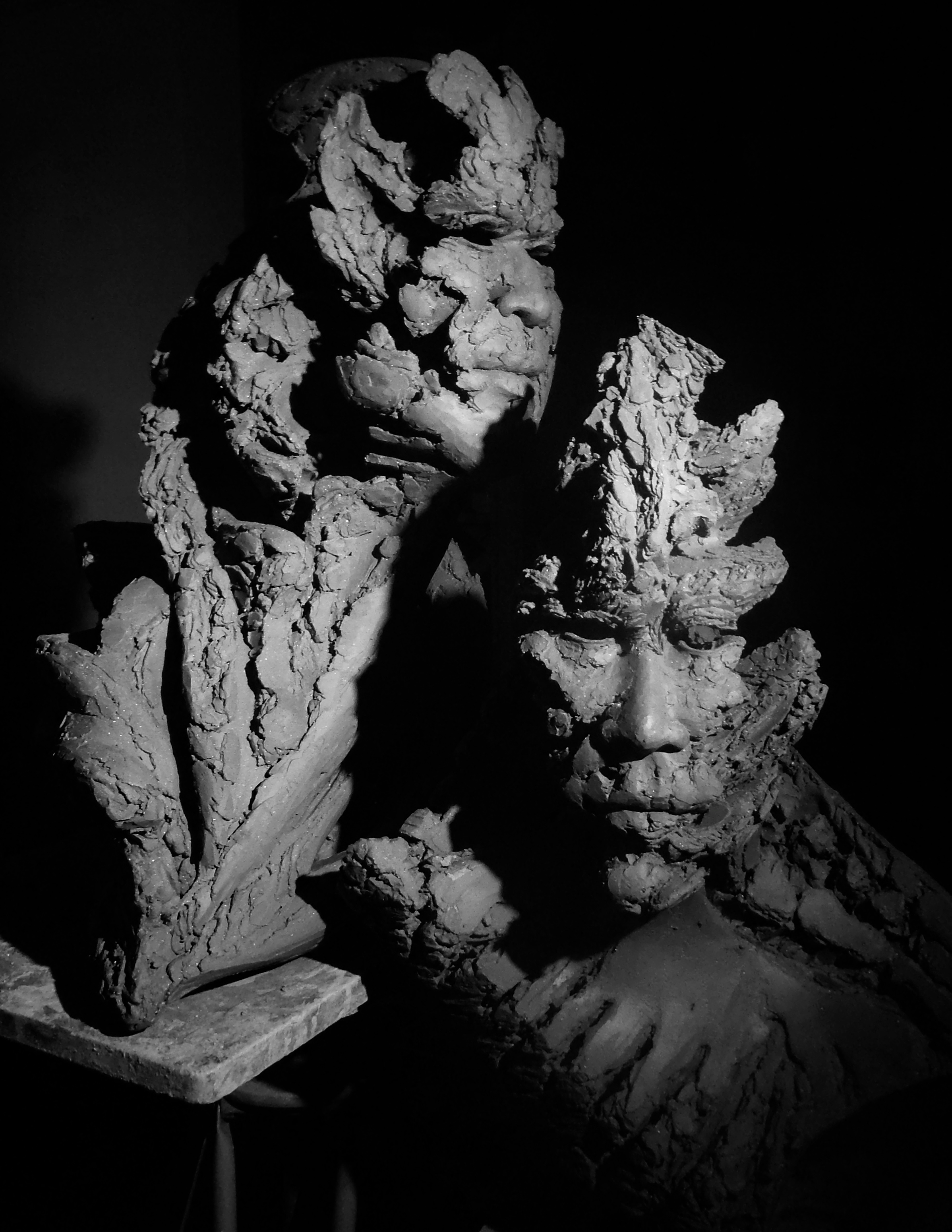
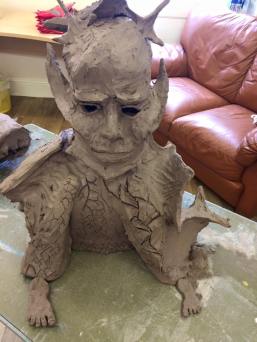
 This bio-morphic head is being built on a clay armature with the techniques described in How to Make a Head. I use coils attached in exactly the same way as I would on a pot to get excellent joins. The coil is then pinched in the direction I want it to go.

28.This bio-morphic head is being built on a clay armature with the techniques described in How to Make a Head. I use coils attached in exactly the same way as I would on a pot to get excellent joins. The coil is then pinched in the direction I want it to go.

Using Supports.

When you are making complicated shapes use temporary supports made of clay that will shrink with the form. Build in support walls and buttresses. Use rigid supports with care: plan to accommodate the shrinkage.

Here I am putting down the first layers of 2 big sculptures. I am using Coleford brick clay in a very soft state. My 'coils' are half bag blocks but they are applied and treated in the same way as any good coil. The walls are thicker at the base to support the considerable weight of the next layers. The internal support-walls are thinner. On very big sculptures these support walls will be discarded when the sculpture is cut into sections. On medium sized sculptures, that will be cut into parts not panels, the internal support walls will be left in to maintain the shapes during firing.

29.Here I am putting down the first layers of 2 big sculptures.
I am using Coleford brick clay in a very soft state. My ‘coils’ are half bag blocks but they are applied and treated in the same way as any good coil.
The walls are thicker at the base to support the considerable weight of the next layers.
The internal support-walls are thinner.
On very big sculptures these support walls will be discarded when the sculpture is cut into sections.
On medium sized sculptures, that will be cut into parts not panels, the internal support walls will be left in to maintain the shapes of the sections during firing.

30.Note the finger marks left by the process: these are just like the marks of a serrated-kidney on a smaller pot. Like corrugation, they add strength to the wet clay wall and will be left on until the clay is firm enough to hold it’s shape.


The same layer of the fired panel-sections of the same sculpture during installation.

The same layer of the fired panel-sections of Bruce during installation.

Bruce in progress. There is a clay support wall under his head and the stack of blokes.

31.Bruce in progress, 3m wide x 2 m high. There is a clay support wall under his head and the stack of blocks was added later and removed as soon as the head was firm enough to cut apart.

Here’s some good examples of rigid supports in action:

Mynydd Mawr Courtyard Sculpture, Tumble, Carmarthen, Wales, 2m H x 190cm W.

32.  Mynydd Mawr Courtyard Sculpture, Tumble, Carmarthen, Wales, 2m H x 190cm W. The big blocks are firm memory foam which will accommodate the shrinkage. I often use it inside a piece to support ceilings. It gets removed when the piece is cut up.

Rebecca Buck, Osprey Studios.

33.Because this rigid support leans outwards it will not constrict the shrinkage. It was adjusted repeatedly during the build.

Mynydd Mawr, Tumble, nearly complete. Larger sculptures are always built from a scale model. The internal support walls are worked out in advance and the cutting of sections planned so that those walls will support the section's shape during firing.

34.Mynydd Mawr, Tumble, nearly complete. Larger sculptures are always built from a scale model. The internal support walls are worked out in advance and the cutting of sections planned so that those walls will support the section’s shape during firing.

front view. That broom was a good buy.

front view. That broom was a good buy.

Balarat Pit Marker,in progress, 6m L x 2m H.

35.Balarat Pit Marker,in progress, 6m L x 2m H. ( Ocean Colliery Pit Marker in background.) Memory foam on top of clay support walls inside the sculpture supports that long roof and accommodates the shrinkage.

The Sirhowy Wyvern in progress, 3m L x 2 m H. A tunnel runs under the horse with carved images on it's walls so we needed access to it. A thin support wall blocks the tunnel half way. It supports the structure but allows us to crawl in do the art-work ( a lot was done by some fab children) The support was discarded when we cut the sections. We didn't get to see the tunnel right through until it was installed on site.

36.The Sirhowy Wyvern in progress, 3m L x 2 m H. A tunnel runs under the horse with carved images on it’s walls so we needed access to it. A thin support wall blocks the tunnel half way. It supports the structure but allows us to crawl in do the art-work ( a lot was done by some fab children) The support was discarded when we cut the sections. We didn’t get to see the tunnel right through until it was installed on site.

Bucket and stool supporting the tunnel roof while we built it. The board to the left of the picture is there to protect some intricate carving about the Sirhowy Iron Works during the build.

37.Bucket and stool supporting the tunnel roof while we built it. The board to the left of the picture is there to protect some intricate carving about the Sirhowy Iron Works during the build.

Adding clay on to the surface.

38.All the big coiled sculptures have artwork added onto the surface once it is firm. Exactly like the smaller pot, the area is softened using scored ‘ditches’ and slip to hold the water in place, allowing it to soak in to the firm clay and raise up those platelet shaped clay particles ready to join with soft clay.

Once a good join is achieved the added clay is modelled and carved in stages as the clay firms up. The drying ( and shrinking) is kept slow using plastic covers to allow that vulnerable join to set as the water moves from the soft added clay into the firm wall.

Remember that water will always want to be level and will travel down the form over time as well as evaporating from the surface. This passage of water past those platelets completes the join. If there is too much water it will collect and run down  the join, destroying the bond.

With that in mind add as much clay as your artwork needs. If it becomes more that 2 cm thick hollow it from the inside even if this means cutting the section out of the form, hollowing it and reassembling it. The important thing is to find a way to get the look you want. For advice on this process click here: Working solid and hollowing sections out.

Drying coil-built forms.

39.Use plastic to shield firm parts from drying while you work on new parts. e.g. a strip of plastic sheet to keep the top edge soft while you put art-work on a lower area before it gets to hard. And visa-versa.

Slow the drying as much as possible to allow all those joins to set using plastic sheets.

Cover the piece in a shield of newspaper ( 5 sheets thick) or a cardboard box or fabric sheets (not wet) to create a  damp micro-climate that will slowly release the water from the clay and protect from drafts that would cause un-even drying (and maybe, consequently, cracking)


Related info on this site.

For a full description of how the really big sculptures are done click here: Building Brick Sculptures on a monumental scale.

The whole story of the fab Gwalia Mynydd Mawr Care and Nursing Home Courtyard Sculpture designed with local primary school children and staff and residents of the Home, run by Arts Care Gofal Celf in Carmarthen, Wales: Studio Diary, The Tumble Commission, parts 1-8. 

Using clay armatures and coils: How to Make a Head: Clay Armatures and Building Hollow.

Questions?

put your questions in the Comments below and I will do my best to answer them.

If you follow this site you will get an e-mail each time I put up a new post. I hope these ‘How to..’ posts are useful. Pass them on freely. Share pictures of what you make  on my Facebook. I would love to see it.


How to; Recycling Clay Made Easy and Manageable.

Recycling clay can be such a nightmare. No-one likes doing it. Popular methods include gradually building a huge stack of bags of hard clay against the shed until they are covered in slime, bugs and budleas and then moving house. Or the dreaded dust-bin filled to the brim with clay scraps and left for years, then you end up being the sucker who gets clay caked on top of their head as they lean in to scoop out the  endless goo, until they reach the  bottom that has weirdly gone rock hard dreaming all the while of the fantasy pug-mill that never needs cleaning out as opposed to real ones that always do.

Serious Potters using the Wheel need to treat their clays in certain ways. Everyone else, like Hand-builders, Sculptors, schools and community studios can use this less harrowing method.

– 1/2 fill clay-bags with scrap clay, no matter how wet/dry (pref small pieces), close firmly w/ twisty, cover w/ water( so bags fill up ) in Bin outside. Leave ’till lumps have broken down. A clay plenty of grog (gritty bits) may only take a few days. In Japan they let their clay soak for a generation but here a week should do it.
– Have separate bin for white/ red clays.(I don’t, TBH)430068_255359921215212_934182331_n

– Lift bags out and stack  facing open end down to drain. Frost is your ally here. Avoid raw ground so worms are less likely to crawl in the bags, die(tragic) and stink (also upsetting)…..I once found a Newt alive in a wet bag that had not been closed, true story.
Drag drained (firmer-feeling) bag off pile to ground and step back/close eyes while spiders run away. Pick/hose off Slugs etc425991_255360004548537_1084689641_n

– Stack bags in warm ( only so it’s not cold on your poor hands), unavoidable spot and turn small quantities at a time onto plaster blocks* (or wood up on bricks), turn regularly through the day(s), return to bag and close tightly w/ a twisty. If it gets too hard return to step 1.

I sometimes use it v. soft or deliberately harden bags to act as ‘armature’ supports.This is a great time to blend odd bags of different clays to make your own ‘Crank’428362_255360091215195_561760018_n


! Whole bag gone rock-hard; remove from bag, dry completely, drop on hard floor to break into bits, recycle.

! Whole bag too hard to use; remove from bag, knock holes all over w/ screw-driver and hammer (oddly satisfying), return to bag, recycle.

* make your own plaster blocks; line a cardboard box w/ new garbage bag + pour in Plaster of Paris. Leave top set. Trim off edges w/ a sur-form  blade (looks like a small cheese-grater). If chips of plaster get in your clay they will turn to lime in the firing and cause ‘lime-spots’; they absorb atmospheric water, expand and spit off a chip of ceramic, invariably from the most noticeable place like the end of a nose, sometimes months after a firing, usually after you have delivered a piece to a Gallery you are desperately trying to impress.


Portraiture, Clay Armatures and building Hollow Workshop.

Portrait class 2015

The Bust

The key reason making heads is so hard is that the perception (the way we use our knowledge) that we have built up over our lifetime of what shape the head is, is based around communication and assessing each other. Making a head requires going against what ‘feels’ right and using information we are unlikely to have bothered with before. Portraiture has a system to organise the huge quantity of subtle details. Learning this system will broaden your knowledge, and your access to more knowledge, enormously. That’s why the study of Portraiture and Figurative Sculpture is traditionally the bed-rock of Art.

It is not rocket science and you can do it. The challenge will be fascinating and very rewarding.

The Technique

Because clay shrinks as it dries and is floppy when very wet a Clay Armature is invaluable.

Most techniques for building  hollow have a strong ‘voice’ of their own and will influence the final look of the piece. They can demand that you harden lower sections and are then unable to change them when you later realise they are wrong. This is a real disadvantage irregardless of your skill level. It is better to work solid over a clay armature especially if you are not using a scale-model and hollow out just before finishing touches. It’s not difficult.

Or you can use this technique of building out from a Clay Armature to make your sculpture hollow.

Clay armature for a bust, aug 2014

Clay armature for a bust, aug 2014

3rd Bust armature in progress, Aug 2014.

3rd Bust armature in progress, Aug 2014.

OLYMPUS DIGITAL CAMERAOLYMPUS DIGITAL CAMERAOLYMPUS DIGITAL CAMERAOLYMPUS DIGITAL CAMERA

in progress, Aug 2014.

in progress, Aug 2014.

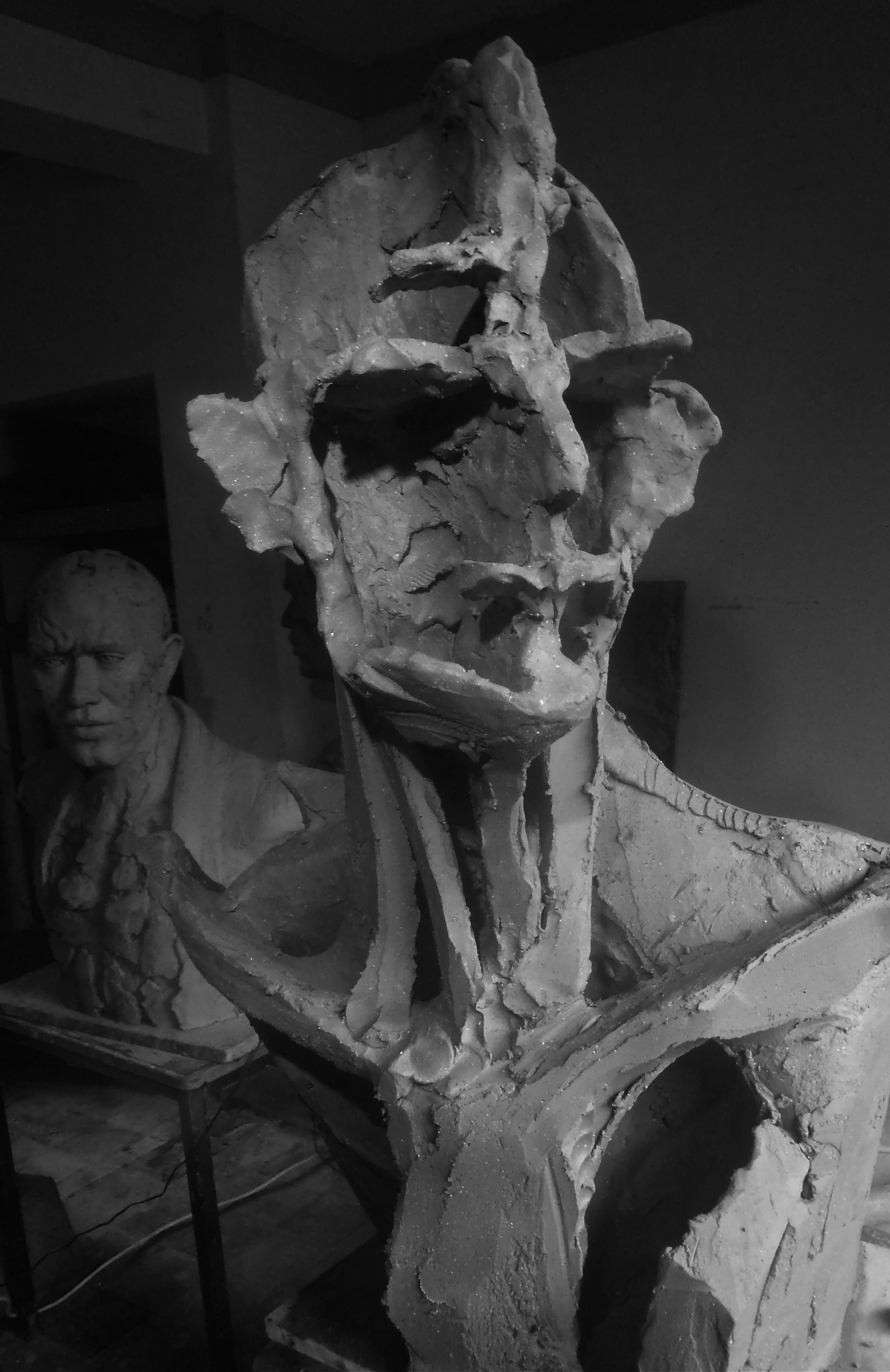
Here I chose to leave gaps that show the Armature but of course you don’t have to. The step by step manner of this method and the fact that you work all over the head  in layers from the start  makes it ideally suited to learning to make Portraits and other Sculpture.

Frame-works for The Wyvern IV and, in the back ground, The Leviathan.

Frame-works for The Wyvern IV and, in the back ground, The Leviathan.

These Armatures or ‘frameworks’ were planned to be very much part of the fractured image. But the ‘corrugation’ and circular holes you can see are strengthening the Armature and would be very suitable to an armature that would ultimately be hidden. Playing around with these Armatures lead the Sculptures in un-anticipated directions (I frequently have no idea what I’m doing, just why!)

The Wyvern and The  Leviathan. in progress, Sept 2014.

The Wyvern and The Leviathan. in progress, Sept 2014.

In this Workshop we will build a strong Armature, work on the Skull loosely for the benefit of looking at that and then build on the external features of the head; the face, ears, hair etc.

The Skull. 2014

The Skull. 2014

The Weekend

We’ll cover Hollowing out too.  You will get my invaluable tirade on joins. We’ll look at some different clays and talk about choosing clays. And we’ll sit down to a relaxing bring and share lunch in true South Wales Potter’s Tradition and talk shop. There will be drinks available all day.

Everyone, from any level of experience, is welcome and will get a lot out of this challenging week-end.

The Fee is £130 which includes 25kg of Scarva Crank (an out-standing sculpture clay), a set of sculpture’s callipers and set of Skull and Skeleton images. The Workshop is to give you the Techniques so that you can develop your own way of using them. Just like learning to play an instrument, practice and adding your own style will give you the results. You are unlikely to complete your head on the week-end and I will encourage you to take it home to work on or break it down and have the clay to use on your next head where you can work more slowly. I can fire your sculpture if you like and we’ll sort that out separately.

It is easy to get here  and there is plenty of Parking and the Studio is not bad for accessibility.

Studio Diary, The Tumble Commission Finale.

The Celebration Day at Gwalia Mynydd Mawr, 5 November 2014

The Celebration Day at Gwalia Mynydd Mawr, 5 November 2014

A perfect , clear blue day for the un-veiling of the Sculpture and a celebration of the whole Project and all the lovely, dedicated people who were involved from Arts Care Gofal Celf, Gwalia, the Primary schools in the area and the extraordinary Staff and Residents at Gwalia Mynydd Mawr.

The video here describes the whole project:


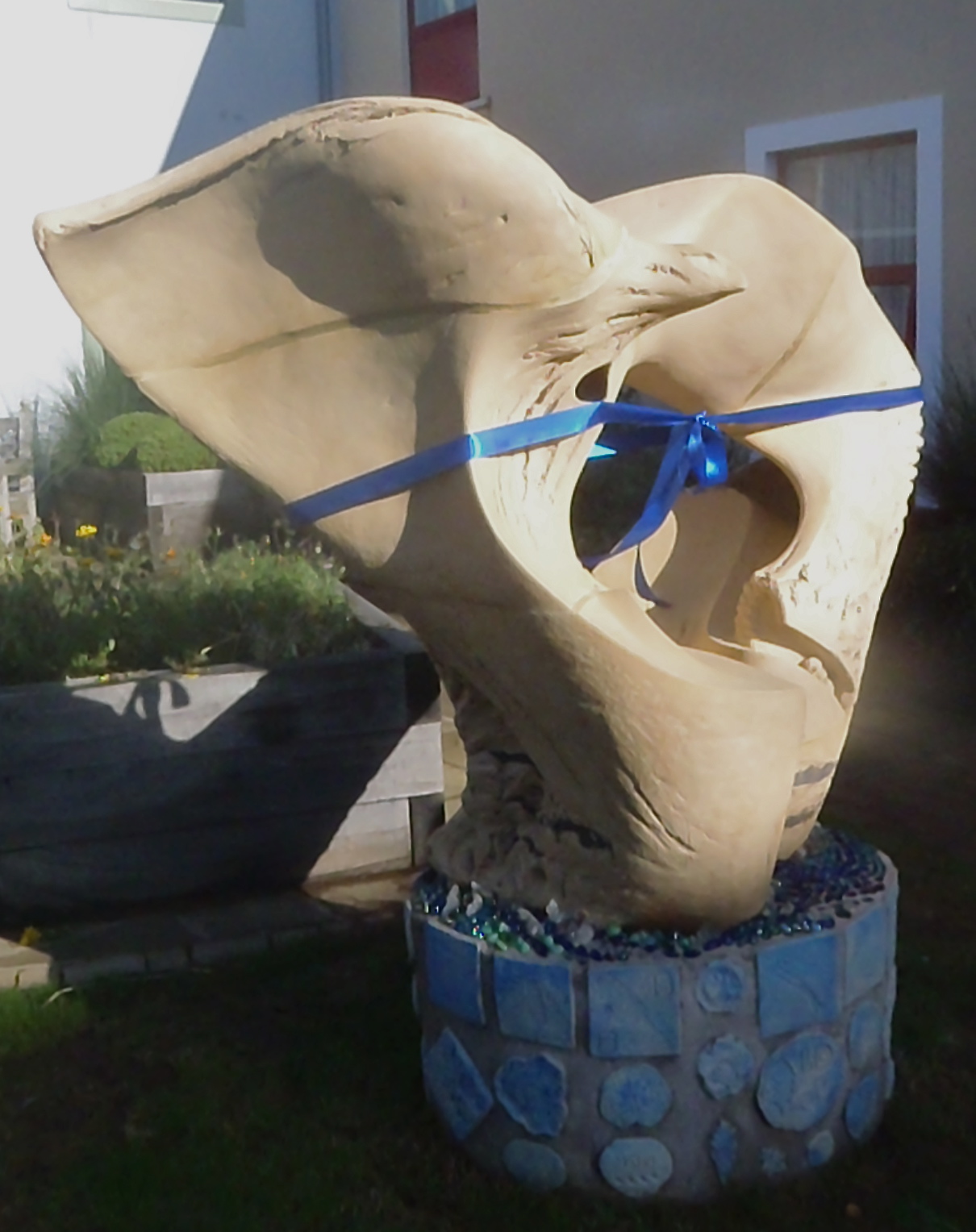
Mynydd Mawr Courtyard Sculpture, 2m h x 190cm w, 2014.

Mynydd Mawr Courtyard Sculpture, 2m h x 190cm w, 2014.

OLYMPUS DIGITAL CAMERA

OLYMPUS DIGITAL CAMERA OLYMPUS DIGITAL CAMERA

OLYMPUS DIGITAL CAMERA OLYMPUS DIGITAL CAMERA OLYMPUS DIGITAL CAMERA OLYMPUS DIGITAL CAMERA OLYMPUS DIGITAL CAMERA OLYMPUS DIGITAL CAMERAOLYMPUS DIGITAL CAMERA

Studio Diary, The Tumble Commission, part 1.

The Scale Model for a lovely commission for a beautiful Care Home in Carmarthenshire got a very warm and positive response and after months of workshops, planning and very careful thought the build has started.

As usual I’ve over -designed for the budget… but that’s my prerogative- I always stick to my quoted fee and how many hours I put in is up to me.I get a buzz out of challenge and this piece has steep leans , a very complex form and very strong themes that must be stuck to.

OLYMPUS DIGITAL CAMERA  It has been developed from content gathered from other Artists on the Team working in a range of creative styles and  with some extraordinary Primary School pupils.

The children’s ideas were so sophisticated, profound and complex. For example; After spending a series of workshops with the Home’s Residents making tiles for the Plinth, they built the idea that life is a journey full of change and phases so they wanted to see a pathway that traveled around the sculpture. They wanted a warm , welcoming form that harnessed the rain ( that falls very regularly here in Wales!) to create pools and flowing rivers that represented the Love that is all around us and flows through our lives. Wonderful!

Many of the Residents have Dementia and all are very disabled. But they joined in, charmed by these adorable kids, and it was their warmth and sincerity the children picked up on. They talked about many of the harsh realities of their long lives; war, poverty, mining, loss.And the joys; the beautiful landscape of the country they love, pets, family, work.


SDC11609


OLYMPUS DIGITAL CAMERAIMG_1416


DSC_0578OLYMPUS DIGITAL CAMERAOLYMPUS DIGITAL CAMERA


OLYMPUS DIGITAL CAMERA


OLYMPUS DIGITAL CAMERA

When your Commissioners pour so much of themselves into the consultation phase you owe them something stunning. That includes Arts Care Gofal Celf  who are running this 2 year, multi -Artist project  with Gwalia and they are both a joy to work for.

So this piece is full of metaphors and symbols. And, I hope, the grace and integrity of the many people who brought it together.

OLYMPUS DIGITAL CAMERA

OLYMPUS DIGITAL CAMERAOLYMPUS DIGITAL CAMERA

Near the Studio is the beautiful valley I go to regularly (the River Series came from there) and it is the perfect place to support this Sculpture. And it certainly rained enough this winter.

OLYMPUS DIGITAL CAMERAOLYMPUS DIGITAL CAMERAOLYMPUS DIGITAL CAMERA


OLYMPUS DIGITAL CAMERA


The Sculpture will be 1metre 40cm high plus the Plinth and 1m 80cm wide.

I always make scale model people too so I have  the eye-lines right. They help to illustrate the scale.                                                                                                                                 OLYMPUS DIGITAL CAMERA


Measuring carefully from the Model the piece is coil-built using a variety of coil methods . The details are roughed in as the lower sections will necessarily get hard to support the weight of the following layers. Timing is everything. I do use fans and supports but if you mess too much with the drying phases you may well get cracks. If you work too fast it will collapse and I hate it when that happens.

OLYMPUS DIGITAL CAMERAOLYMPUS DIGITAL CAMERAOLYMPUS DIGITAL CAMERA There are internal support-walls and buttresses. The piece will be cut in large sections for the firing and these are pre-planned very carefully. The structure has be strong while wet , when dry,when being dismantled and moved to the kiln , through the fire, when being installed and then when it stands for decades, centuries even, in a public place. The site in this instance is a very lovely , sheltered Court-yard Garden with handsome landscaping. There wont be a problem with people climbing on it etc so I could allow some delicacy  but non-the-less it is a sturdy design although I am aiming for a light, flowing feeling.