Studio Diary: The Marking Time Sculpture at Bronllys Hospital, Powys.part 4.

Working on a large scale means returning to the same form everyday for months. So you need to be sure about the design.

I’m really pleased with the scale of the Marking Time Sculpture. It is within the human scale range so that the embrace and  eye level of the dragon and the kite/guardian’s wings will feel very personal.

Marking Time scale model.

Marking Time scale model.

Osprey Studios has a flexible layout and a solid floor so that anything up to 6m x 3m can be built there which keeps costs down.

Osprey Studios has a flexible layout and a solid floor so that anything up to 6m x 3m can be built there which keeps costs down.

The base foot print was painted on the floor in red and the outline of widest/deepest edges painted in blue to check that there will be space to work around the forms. The largest section is set on blocks to give the height of the eye-line. The other 2 sections are on wheels for easier access. The base footprint is painted on the boards in blue.

I always miss my wonderful Volunteers from past projects at this point. But it is a lot easier to be building in my own studio. Advancing decrepitude means some of my systems for moving heavy loads around lack dignity. And I can loose myself in the curves.

Areas are kept wrapped in plastic to keep the drying even. When you add new clay you need to allow time for the water to re-balance itself down the form. A large piece will be holding gallons of water.

Areas are kept wrapped in plastic to keep the drying even. When you add new clay you need to allow time for the water to re-balance itself down the form. A large piece will be holding gallons of water.

I am building the armature of the piece. The final surface will be added to it so I need to keep the clay at the best stage of hardness. Scarva ES50 Crank holds its water really well while still being very strong at the leather-hard stage.

I will be adding a lot of deep texture and modelling so these armature walls are very thin. In places the lines and curves of the final form are showing.

There is an internal support structure made of clay that will stay in place during the firing. It will help to support the sections when the sculpture is cut up so you need to plan them well in advance. Other materials like foam and wood are used inside just long enough for the clay to stiffen. External supports can be anything. They will need constant adjusting to accommodate shrinkage. I have a treasured collection of heavy-duty props and oddly shaped bits of wood.

There is an internal support structure made of clay that will stay in place during the firing. It will help to support the sections when the sculpture is cut up so you need to plan them well in advance. Other materials like foam and wood are used inside just long enough for the clay to stiffen. External supports can be anything. They will need constant adjusting to accommodate shrinkage. I have a treasured collection of heavy-duty props and oddly shaped bits of wood and memory foam.

The lines of the supports can be distracting.

The lines of the supports can be distracting.

2/3 of the way up. But the forms are not complete, especially width-wise. You see the movement starting in the curves of the central space. I'm using the sound-track from The Legend of Korra to keep the theme consistent across the weeks of work.

2/3 of the way up. But the forms are not complete, especially width-wise. You see the movement starting in the curves of the central space. I’m using the sound-track from The Legend of Korra to keep the theme consistent across the weeks of work.

Studio Diary: The Marking Time Sculpture at Bronllys Hospital, Powys.part 2.

Marking Time Scale Model 1

Marking Time Scale Model 1

It has been a really good Consultation period. Everyone has been very open and generous with their time and thoughts, even when it was very difficult for them to do so.

The models, figures, benches and bases shown are all to scale. The full sized versions would have more texture/detail and the benches would be a metre further away.

We identified our primary audience as the people using, visiting or working at Bronllys Hospital. The overall impression/feel of the sculpture should be up-lifting and hopeful to support those who are ‘marking time’ in  stressful circumstances.

“The sculpture should have an aura of peace that will not interfere with the person’s unique moment”

“…so people can sit down and stay calm and feel safe.”

” In the discipline of Marking Time and manoeuvres like that, vulnerable people can find structure for their chaotic lives.”

” Marking Time is marching on the spot, keeping the beat, keeping in step with the group, in readiness to move onto the next task.”

And this triangle is the spot where the Marking Time Sculpture will go. There will be comfortable benches set in place so visitors, patients and staff have a tranquil place to sit and get a break from the often over-whelming activity in the Hospital.

And this triangle is the spot where the Marking Time Sculpture will go. There will be comfortable benches set in place so visitors, patients and staff have a tranquil place to sit and get a break from the often over-whelming activity in the Hospital.

The children at Mount Street Junior School felt it was important to help the Servicemen and women to forget and to ease them back into civilian life with games, walks, sports and domestic routines. The Ex- Servicemen and women agreed that humour and a sense of playfulness were key in allowing them not to forget but to learn to feel again. Military training is, by necessity, dehumanising:

“Dehumanised Soldiers find it hard to play nicely…”

“Snowball fighting can be more fun than real fighting because nobody gets hurt.”

The children agreed that ” The Soldiers need a bridge for when they come back to their families from the War.”

Many Servicemen are adolescents when they join-up and  their training replaces the natural pace of growing up. They cannot contextualise the shocks they are exposed to.

Marking Time Scale Model 1

Marking Time Scale Model 1. Bird forms in many sizes creating movement around the central space. 160cm H.(incls base).

Marking Time Scale Model 2

Marking Time Scale Model 2. Bird forms with a patterned texture suggested. 1metre high from the ground.

So: a sculpture with a narrative that releases the imagination, shows protectiveness and how the burden of being fierce and brave is shared and eased by those, of all sizes, being protected.

Marking Time Scale Model 3

Marking Time Scale Model 3. Three bird-forms.180cm H (incls base).

“A flowing circle, the movement of life, love, hope and promise will draw you in and guide you to change.”

Marking Time Scale Model 3

Marking Time Scale Model 3

Marking Time Scale Model 3

Marking Time Scale Model 3

“Regrets, we all have them. You need Hope to manage them.”

“Ephemeral, shadow-like.” ” A dragon in the mist.” “Inter-weaving the real and the etherial, making them equal.” ” Dragon of protection, Bird of hope.” “Intertwined spirals” “Water represents calm and peace. Flowers represent beauty. Dragon represents protection.” “…and a mystical Dragon and a moat with 3 piranhas.”

Marking Time Scale Model 4

Marking Time Scale Model 4

                                                  “The Bronllys Dragon by Ben,aged 8.

             Once upon a time there was a Dragon called Yddraig Goch. He would guard the Castle day to night until one day the Gorgan Maduser came. She looked the dragon in his eye but Yddraig Goch was quick as lightening to fly away. Yddraig Goch flew to the Military and perched on the roof. The army heard a thump on the roof and found Yddraig Goch, the Welsh Dragon.

                                               “Shoot him” said Ian. “I am ready, Sir”

                                                         “Wait!”said the Captain.

                                                         “What?!” said the army.

                                               “It’s Yddraig Goch, Lets make friends.”

              “What, with a Dragon?”  “Yes! Maybe he can help us against the other armies.”

Marking Time Scale Model 4

Marking Time Scale Model 4


The triangle base and the use of 3s has multiple significances in the Military, where groups are divided into 3 parts throughout it’s structure starting with Army/Airforce/Navy. Celtic and Christian symbolism is over-flowing with 3s.

Linked to the triangle is the heart shape, despite its over-use, still a “powerful symbol of the strongest emotion, the one that triumphs over all others.”


Marking Time Scale Model 4

Marking Time Scale Model 4

In Wales the Dragon is an especially potent icon representing the Land and bravery. The Red Kite is the Welsh National Bird and the symbol of Powys. Red Kites live separately but hunt and feed collectively when ever they can. They have an ordered community and share food and protect each other. After nearly going extinct in the UK due to cruelty and stupidity, their recovery has been brought about by the protection from a better society. Breeding from the surviving Welsh Kites, their numbers are growing: like the phoenix rising from the ashes.

For each version of the Sculpture: The Mosaic Base.

            The base of the sculpture will raise slightly in the centre of the triangle. A mosaic of good sized tiles of many shapes, with images and words about what makes up a strong Community, made with Mount Street Juniors and the A-Level students in Llandrindod Wells and beautiful, and vivid glass pebbles will be set in swirling lines with the most colour in the centre representing souls, ideals, that which is vulnerable and precious. 

The colours are blues/greens/yellows.

In the corners of the triangle will be set large tiles with ‘Accept the Past’, ‘Trust the Present’ and Faith in the Future’ and celtic knot-work carved on them.

 Assessment:

I don’t recommend Models 1-3. They are lovely in themselves but don’t quite hit the mark. They have been useful transitionary pieces.

Model 4:

The dragon’s expression will be extremely gentle and caring. The birds, of all sizes and types but mostly red kites will soar out from the centre. They will have a softness to their lines. They will support, encourage and assist the benevolent dragon, their wings working with his.

The max height (including base) is 180cm. Width: 150cm. Depth: 180cm.

The form has lightness and movement but is actually very strong and safe in all the ways discussed.

There will be many view-points of the mosaic.

The full sized version will have expressive textures and many more birds than could be put on a small model. It will be a very complex build and I am happy to add voluntary hours to the budget and time-line in order to complete this challenging piece because I believe it will be very beautiful.

Model 4 uses the consultation resources and our intended outcomes to the best effect. I feel everyone who contributed will be very pleased and will be able to see that their work is included.


Model 5: This is a condensed version of Model 4. It has the best of Model 4 and it adds the iconic local sky-line of Pen y fan mountain in the near-by Brecon Beacons. The Kite is now powerful enough to bring a sense of guardian angel to the mix. The Dragon and the Kite interact to create an embrace around the centre of a richly coloured mosaic of glass pebbles and hand-made and decorated tiles in shades of blue and green that swirl outwards from the centre. It has 3 points connecting it to the ground. There are 2 holes through the form.

Marking Time, Bronllys Hospital, Scale Model 5.

Marking Time, Bronllys Hospital, Scale Model 5.

Marking Time, Bronllys Hospital, Scale Model 5.

Marking Time, Bronllys Hospital, Scale Model 5.

Marking Time, Bronllys Hospital, Scale Model 5.

Marking Time, Bronllys Hospital, Scale Model 5.


The max height (including base) is 180cm. Width: 150cm. Depth: 180cm.

The form will not get cluttered with leaves in the way that Model 4 will in this woodland site. Model 5 will age gracefully with out looking neglected. It is sturdy and safe while retaining the flowing movement.

Update, 5/3/16

To keep within the Budget we need to reduce the size of the foundation.

Model 6 is based very much on Model 5 but it is divided into 3 sections which has lead to some interesting and lovely developments in the forms. The sense of the protective, sheltering embrace is still clear but there is more movement and echoes of bird-forms. The dragon’s head is moved into the centre adding to the protective feel and this enhances the over-all silhouette.

The dimensions are the same. I have added to the base-line so that the 3 forms are self-supporting to ease strain on the small foundations.  When the sculpture was a single form it supported itself from tipping over. But the weight was all standing on 3 small points that would have put a lot of strain on a small foundation. The 3 sections allow some ‘give’ as the sculpture settles on the site.

This model is not as neatly finished as Model 5: don’t let that distract you. I will use both models during the build.

Marking Time Model 6.

Marking Time Model 6.


Marking Time Model 6.

Marking Time Model 6.

Marking Time Model 6.

Marking Time Model 6.

Marking Time Model 6.

Marking Time Model 6.

Marking Time Model 6.

Marking Time Model 6.

The foundation will have 3 parts linked by a reinforcement-bar grid. Hard-core will form a small rise towards the centre. The mosaic will be set into hand-made cement paving slabs made at Osprey Studios. This will give more time to the layout of the mosaic and the results will be better than setting them onsite. It will save the surprisingly large cost of Out-door Tile Adhesive.

This is a good set of solutions with a lot gained and nothing lost except the costs of a large, poured foundation. It does create a lot more work for the sculpture-build but I am willing to take that on: it will be satisfyingly challenging.

Studio Diary: The Marking Time Sculpture at Bronllys Hospital, Powys.part 1.

A new woodland stroll is coming together beautifully at Bronllys Hospital, near Brecon.

A new woodland stroll is coming together beautifully at Bronllys Hospital, near Brecon. This fantastic oak tree is opposite the walk’s starting point.

The path is laid.

The winding path is laid with beautiful curves, reminiscent of  celtic-knot-work.

And this triangle is the spot where the Marking Time Sculpture will go. There will be comfortable benches set in place so visitors, patients and staff have a tranquil place to sit and get a break from the often over-whelming activity in the Hospital.

And this triangle is the spot where the Marking Time Sculpture will go. There will be comfortable benches set in place so visitors, patients and staff have a tranquil place to sit and get a break from the often over-whelming activity in the Hospital.

Site Meeting. There is a really good-hearted group of people involved in this. They have spent a lot of time planning this Project with care and thoughtfulness. It is lovely to join such a strong Team. The Theme is how the military and the community support each other.
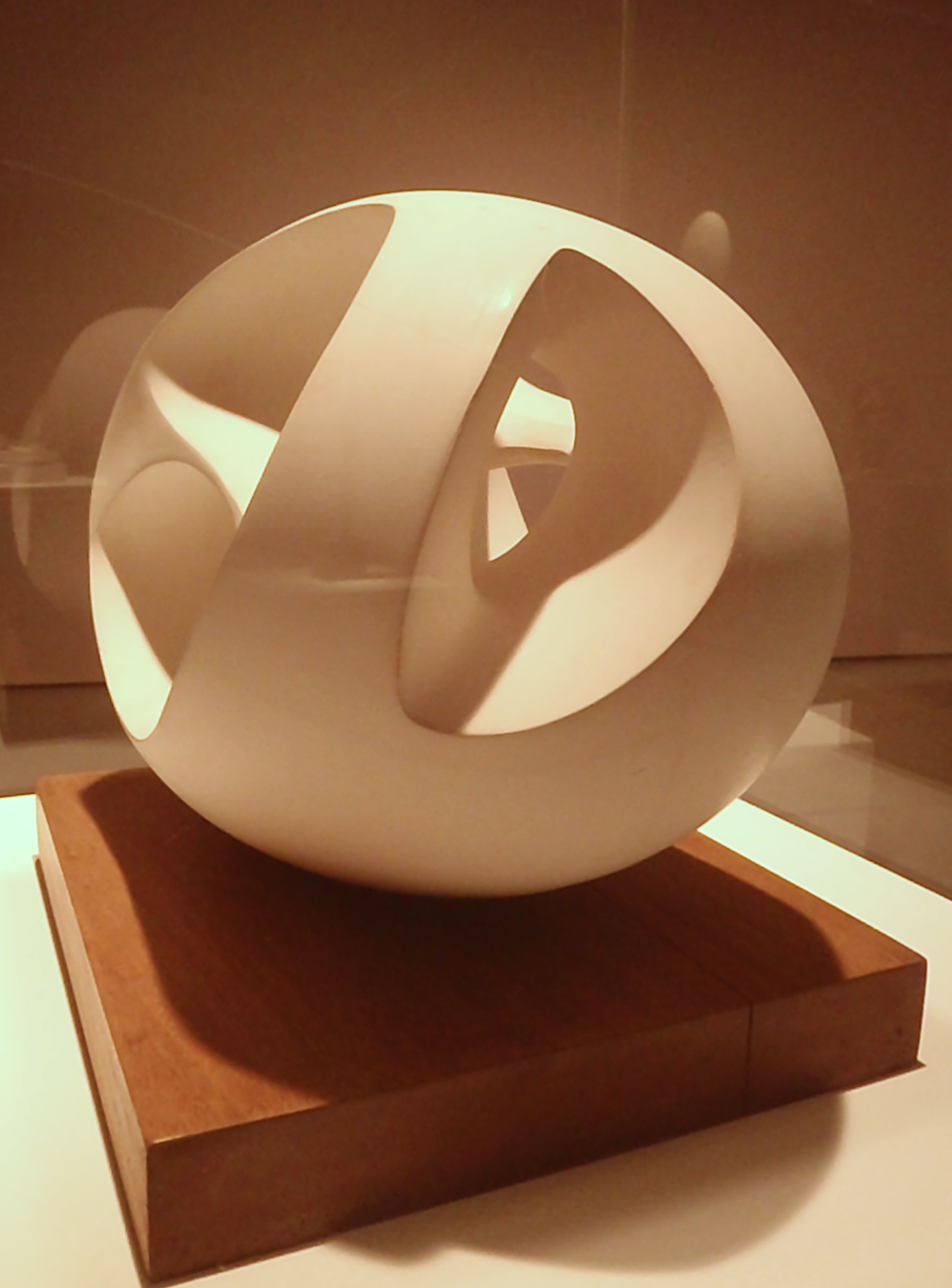
A really good Site Meeting covered all the restrictions and health and safety issues. These matters begin the process of defining  the boundaries of a new sculpture.

There is a really good-hearted group of people involved in this. They have spent a lot of time planning this Project with care and thoughtfulness. It is lovely to join such a strong Team.

The Theme is how the military and the community support each other. There are various Military Bases in this area including the world famous Gurkhas in Brecon. Many local families have military connections.

This is a subtle Theme and there is no obvious answer to it. We need to create a sculpture that will have genuine value for the people who will see it.  A piece that will draw the viewers in and give them some peace and hope. We need to pin-point what communities and the military have in common that is relevant to the hospital site.

Kids can be brilliant at putting their finger on the mark. Mount Street Junior School in Brecon has a lot of Military kids.  I spent a wonderful day on a huge join-in sculpture with 70 year 3 and 4 Pupils and the lovely, guiding staff.

Mount Street Junior School, Years 3 and 4 making a model of a town that cares for and supports it's Military members.

Mount Street Junior School, Years 3 and 4 making a model of a town that cares for and supports it’s Military members.

In the morning we made a town like Brecon and spread it over a network of tables across the double classroom.

I went around helping, talking through ideas and taking notes. These children were very forth-coming, imaginative and empathetic. They expressed their ideas clearly and thoughtfully. It was a joy to work with them and they were very helpful in clarifying the theme for the sculpture.

There was a Military Base on the edge of town:

A Military Base with tanks, helicopters and personnel.

A Military Base with tanks, helicopters and personnel.

Just down the road from there was a caravan park where Service men could relax with their families in a calm natural beauty-spot.

The Caravan Park

The Caravan Park. There are cabins, caravans, a duck pond, a fountain and lots of other fun and relaxing things to do.

Beautiful old trees are always calming and this is a perfect spot for reading and day-dreaming.
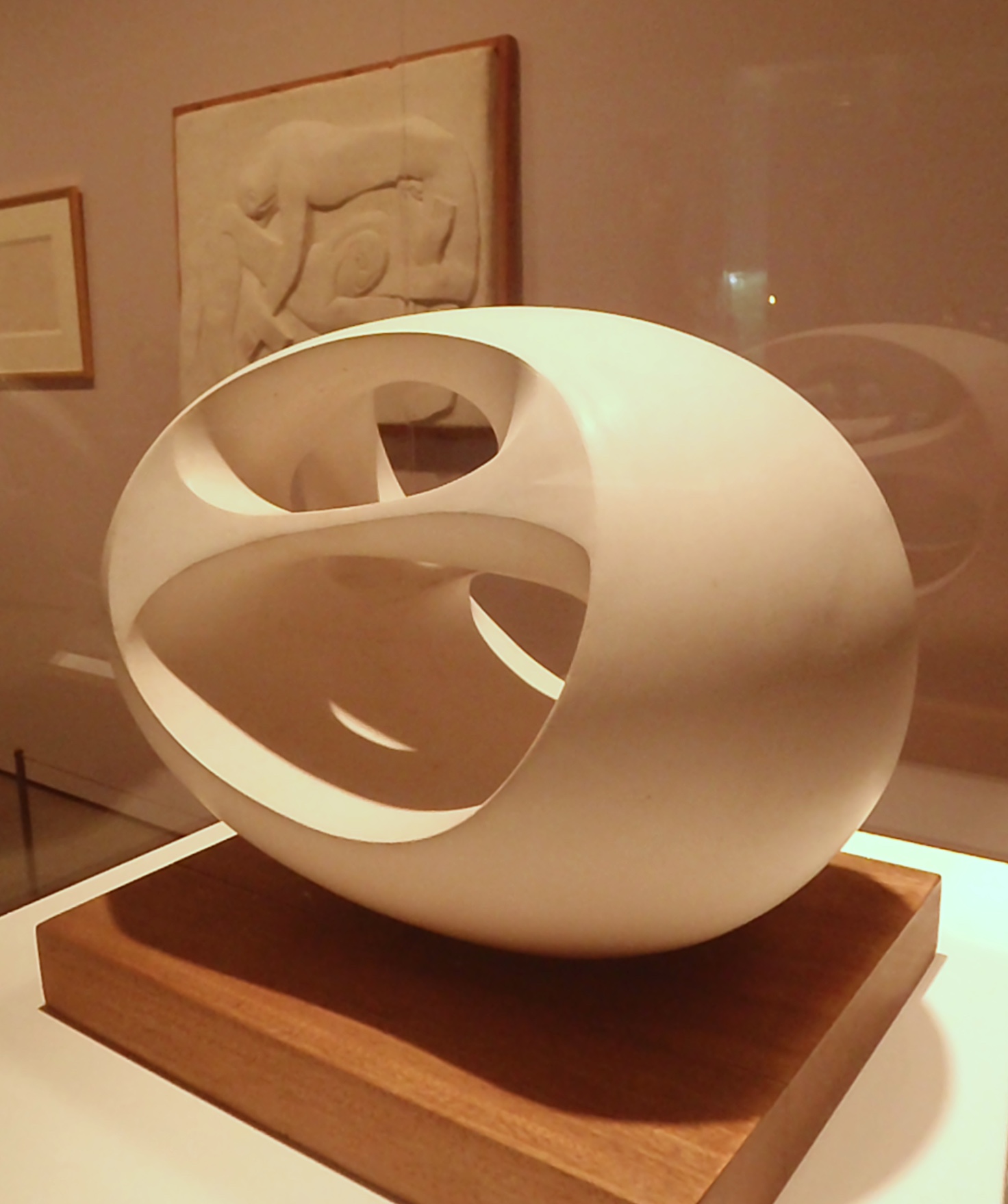
Beautiful old trees are always calming and this is a perfect spot for reading and day-dreaming.
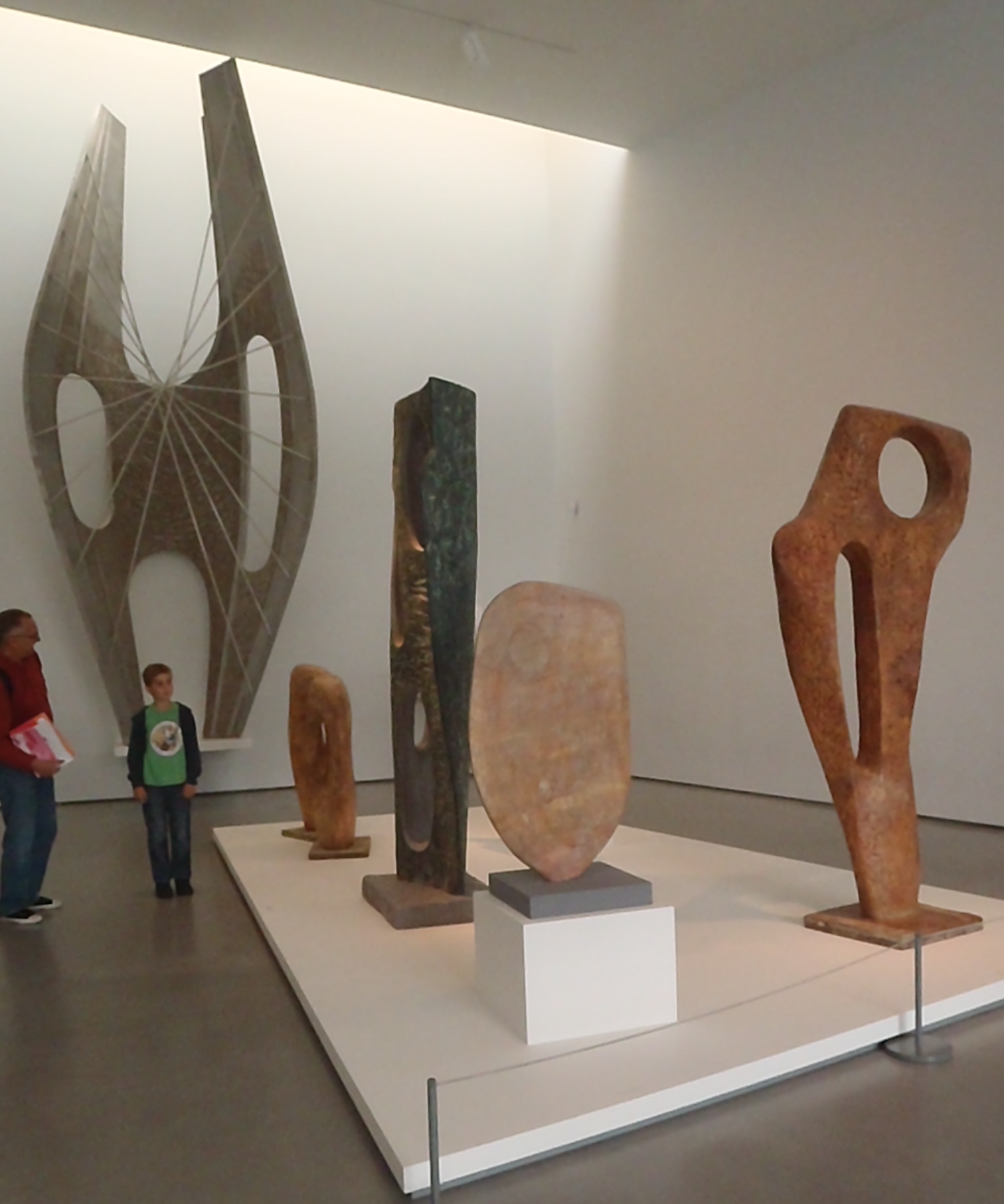
The Caravan Park and the road leading to the Military Base.
The Caravan Park and the road leading to the Military Base.

All along the town’s streets were homes with busy family life going on. The children felt that it was the small moments that gave the greatest comfort to servicemen on leave from the war: meals together, watching telly together, chatting and playing video games.


OLYMPUS DIGITAL CAMERA


OLYMPUS DIGITAL CAMERA


The support and care for the military people came from people in the community of all sizes and ages. The Military protect our way of life and our land and we keep our society in good shape in return.  A circle of care and protection.

OLYMPUS DIGITAL CAMERA

Having dinner together

OLYMPUS DIGITAL CAMERA

Talking through how best to tell the story of these homes.

OLYMPUS DIGITAL CAMERA

OLYMPUS DIGITAL CAMERA

On the other side of town ran the river. The bridge crosses it. ‘The bridge leads the soldiers back into the community’. A fisherman floats by in his boat. There is a water-park in town too.

A solider enjoys an afternoon fishing on the river.

A solider enjoys an afternoon fishing on the river.

OLYMPUS DIGITAL CAMERA

He’s caught a huge fish.

The natural world came up many times. The children said it brings happiness into our lives and keeps us balanced. ‘Learning to forget’ was mentioned many times. Letting go of the past. The community helped the soldiers to forget past ordeals. These children are 8-9 years old. Wonderful.

In the afternoon we talked about how to show the idea of protecting and keeping everyone  safe.

A tree house is a safe place to live protected by the forest. And a dragon!

A tree house is a safe place to live protected by the forest. And a dragon!

A dragon guards the town and the military can harness his power.

A dragon and a whale guard the town and the military can harness their power.

OLYMPUS DIGITAL CAMERA

Natural forms expressing tranquility.

The natural world gives us shelter, calm and peacefulness.

The natural world gives us shelter, calm and peacefulness. It is soothing and balancing.

The children also did drawings with captions of their ideas.

Marking Time’ is a military term for the marching on the spot done between parade manoeuvres. It is a perfect phrase to express those difficult periods in life when you can’t go forward or back but have wait in a state of readiness, especially when you are caught up in a Hospital situation. You can feel very powerless.

It can be very difficult for many military personnel to relax their guard during the gaps between deployments, when they can spend precious time with their families. Particularly if they have had a harrowing experience. The Pupils at Mount Street Junior School clarified the idea that  this is one of the points where community and military intersect and share support, empathy and strength.

I will spend some more time with the photos and drawings. Circles, spirals and forms in a variety of sizes raising up or giving shelter are the first images to come together. I will add this to my other consultation material and start preliminary scale models. Then I will take all this to an A-S Level and some year 9  pupils in Llandrindod Wells, Powys, for a Scale Model Making Workshop to share some skills in exchange for the pupils feed-back.

OLYMPUS DIGITAL CAMERA

Mount Street Junior School pupils sharing ideas and inspiration.

Mount Street Junior School pupils sharing ideas and inspiration.

Studio Diary, Reflecting on Barbara Hepworth and Henry Moore.

OLYMPUS DIGITAL CAMERA

You can imagine how massively pleased I feel when people say my work must be influenced by Barbara Hepworth and Henry Moore. They have been the corner-stone of my development as they have for so many artists of all disciplines.

Last July I finally made my first visit  to the Yorkshire Sculpture Triangle. I was invited by a lovely Collector who is from Yorkshire and is a big Hepworth/Moore fan. She has a range of my formative pieces; she is interested in those transitionary points in Artist’s work.

After the visit I poured out the first impressions in the Studio for a few months and now I’m re-studying the work of these giants and reviewing their influence on what I make and the process; The Doubts are always hovering on the edge. They regularly get to me and leave me questioning the validity of my work process; can you really share experience and ideas through abstract form?

Barbara Hepworth was confident that Sculpture was  an  essential natural work for humans, that it must be because we have done it since our very earliest days. Studying her work and biography taught me that you can join forces with your material to translate the voice of your environment into  forms  that will communicate to others.

Hepworth, Moore and most of their extraordinary contemporaries were quite sure that if you trained your craftsmanship thoroughly, and knew and respected your material, you would be able to work directly through your well informed intuition to create valuable, meaningful artwork that ‘felt right’ to you and spoke to others. The incomparable Conceptual Artist Grayson Perry talked about these values in his Reith Lectures this year and stated that perhaps the time we are in now is in need of evocative, powerful art that talks to the soul rather than the intellect.

I decided to write this post over these reflective months to clarify what I’m doing in my own practice. I will add to it over time to help maintain my focus.

It really looks like this lad is checking his phone.

It really looks like this lad is checking his phone.

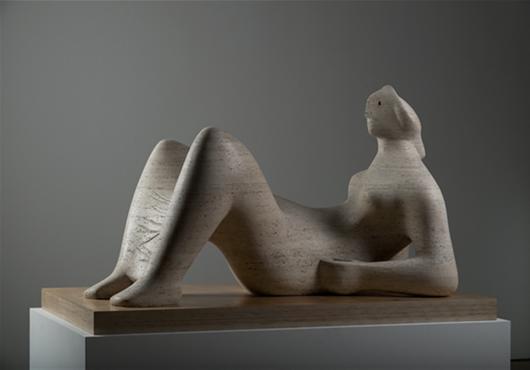
Both Hepworth and Moore studied the figure extensively in the traditional way.

Both Hepworth and Moore studied the figure extensively in the traditional way.

I was one of those kids who was always making things out of toilet paper and sellotape and by my teens, in the 1970s, I was taking my subject seriously. I read everything I could find about my favourites, Barbara Hepworth and Henry Moore and I tried to copy their  education. I lived in Oxford (UK) at the time so I could spend hours drawing in the Cast Gallery ( an amazing collection of casts from Greek and Roman statuary; extraordinary, muscly figures that kept still!)  in the basement of the Ashmolean Museum. In  Pitt Rivers Museum there was Skeletons and freaky taxidermy ( animals in crazy poses, that kept still.) At Oxpens Tech we did formal life-drawing of nudes and during my BFA hons at the Art Department of Boston University, USA, I was was hugely fortunate to be taught figure and portrait skills by Lloyd Lilly. He was a wonderful and exacting tutor and I owe him a great deal.

OLYMPUS DIGITAL CAMERA

At The Hepworth in Wakefield.

In my early 20’s I lived in Cornwall, UK, for a year or so and visited  Hepworth’s Studios in St. Ives and kissed the ground she walked upon. My work started to properly Abstract around then under the wonderful, great-humoured, very practical guidance of the lovely sculptor Ron Wood.

OLYMPUS DIGITAL CAMERA     OLYMPUS DIGITAL CAMERA


So this trip to Yorkshire was a pilgrimage for me. And it was absolutely wonderful. Pippa was a fabulous host and such a great person to be with because she is fascinated with sculpture and comes to it from a different angle than I do, making talking it through with her intricate and revealing. Plus she is a laugh and we had a great deal of fun; she showed me the real Wakefield right down to the Rhubarb Liquor.
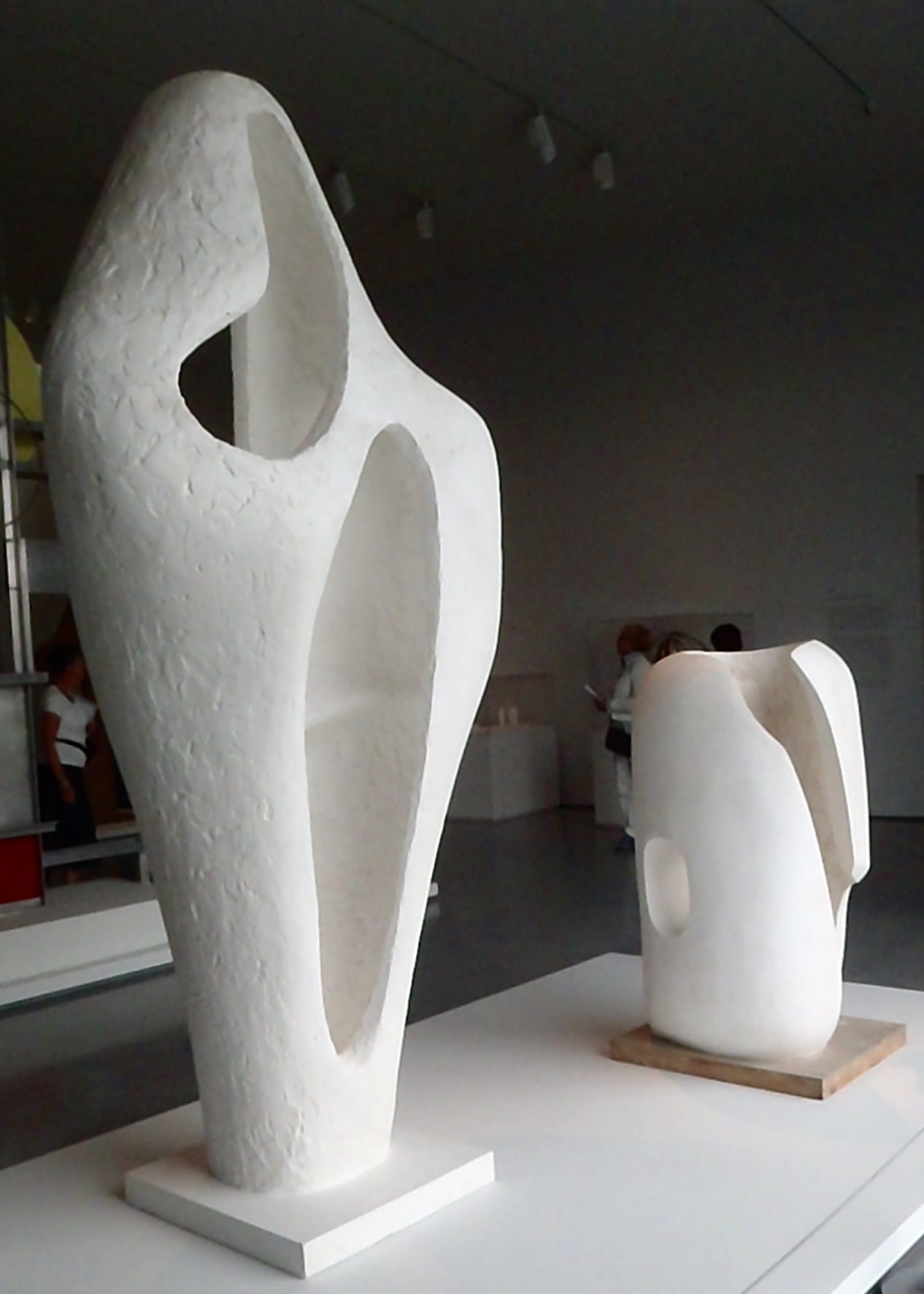
The Hepworth at Wakefield.

The Hepworth at Wakefield.

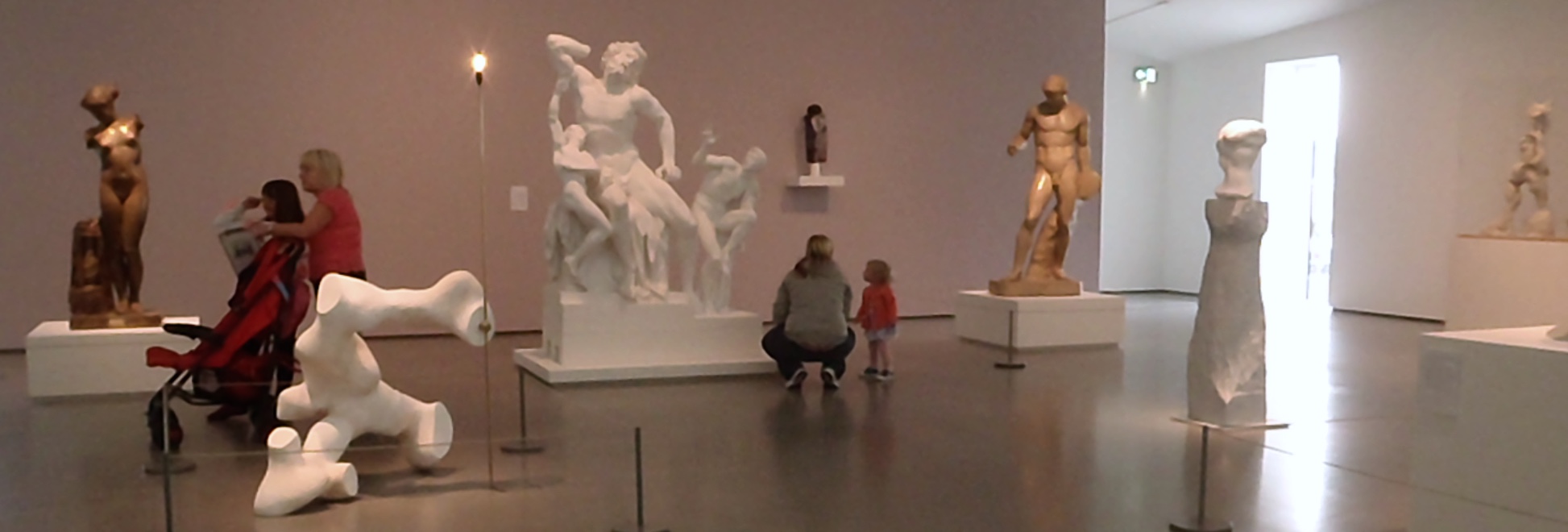
The Hepworth in Wakefield is just awesome. A striking modern building with wonderful light. It’s right in town near the shops and one of the things that made me so jubilant was seeing families who had clearly dropped in for another visit as a treat for their excited kids who were loving it. The Museum staff had groups of children sitting on the floor laughing and chatting and making things in front of these stunning sculptures. No hushed tones, everyone there (and it was busy) was relaxed and enchanted.

OLYMPUS DIGITAL CAMERA

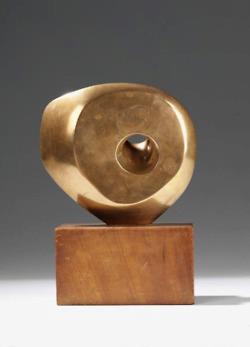
Barbara Hepworth, Figure for Landscape, 1960.

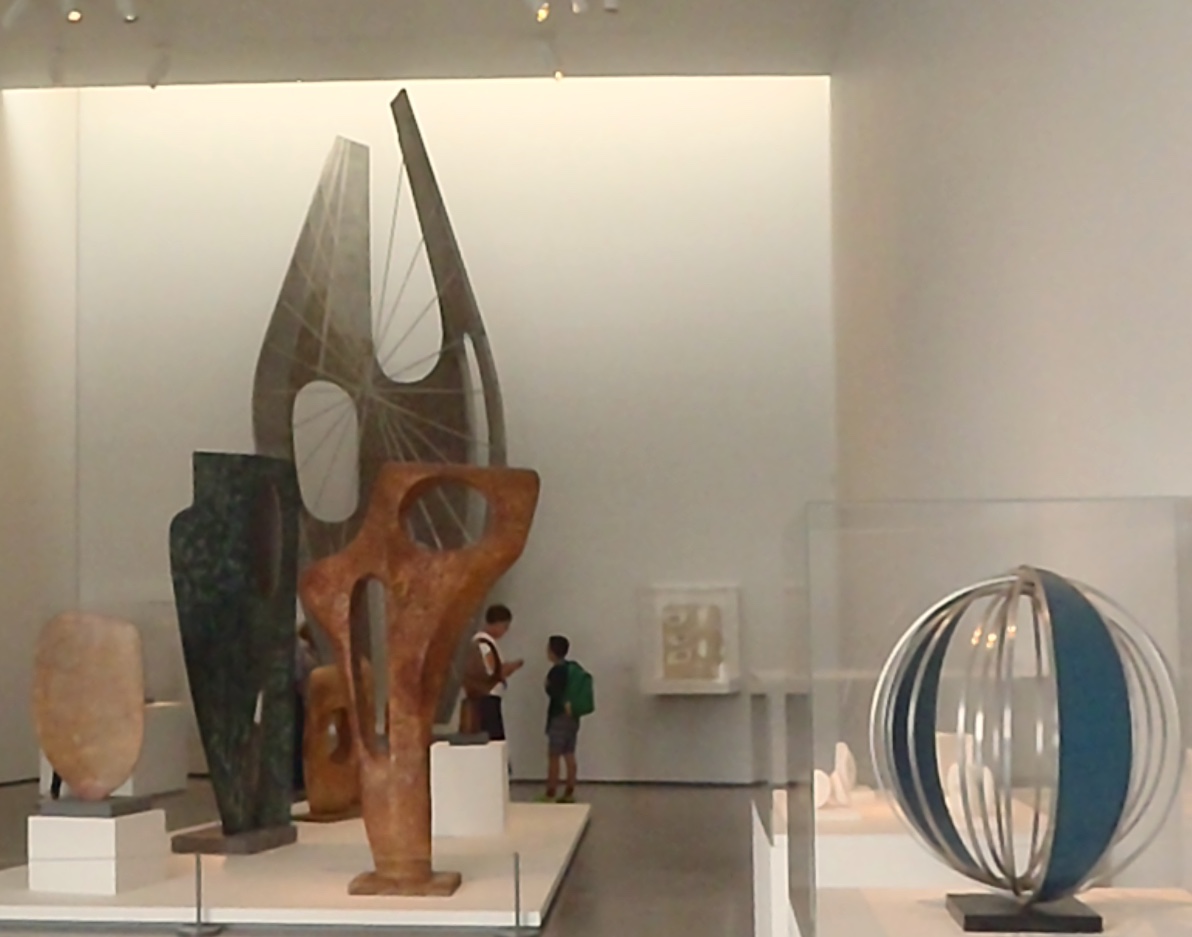
The major Hepworth Retrospective ‘Sculpture for a Modern World’ is at the Tate in London this year, so  everything was re-arranged and Pippa spotted pieces she had never seen before.

This room is fantastic.

This room is fantastic.

The scene was the same at the Yorkshire Sculpture Park. It was an ordinary weekend and the huge carparks were packed. Families and friends were walking amongst the fantastic sculptures with the relaxed ease of familiarity, having picnics, playing, soaking-in the presence and passion of the artwork.

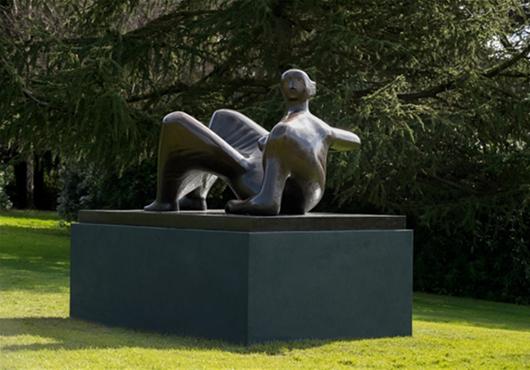
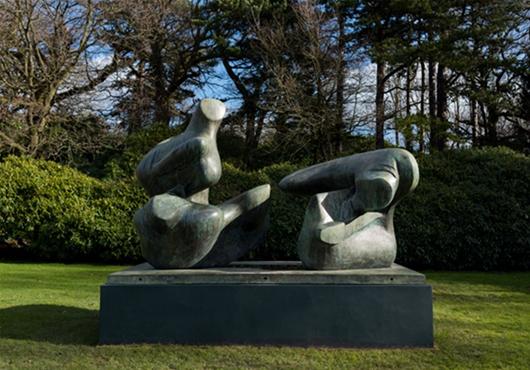
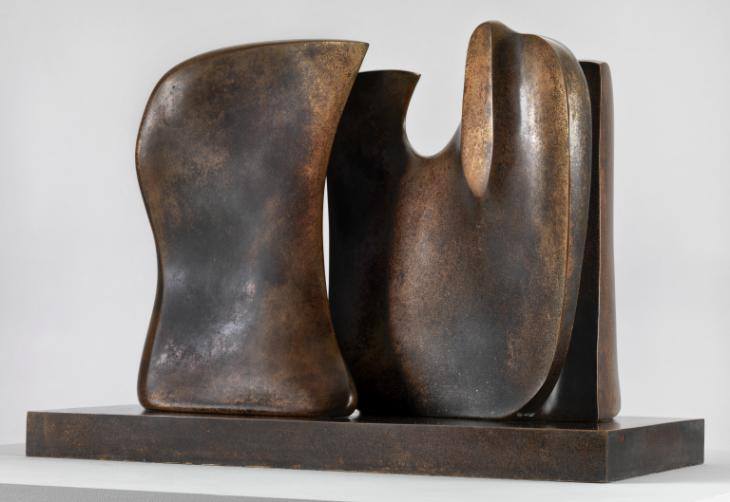
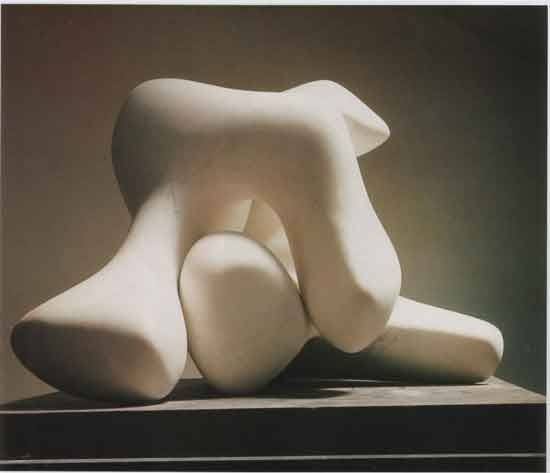
Henry Moore

Henry Moore

Henry Moore

Henry Moore

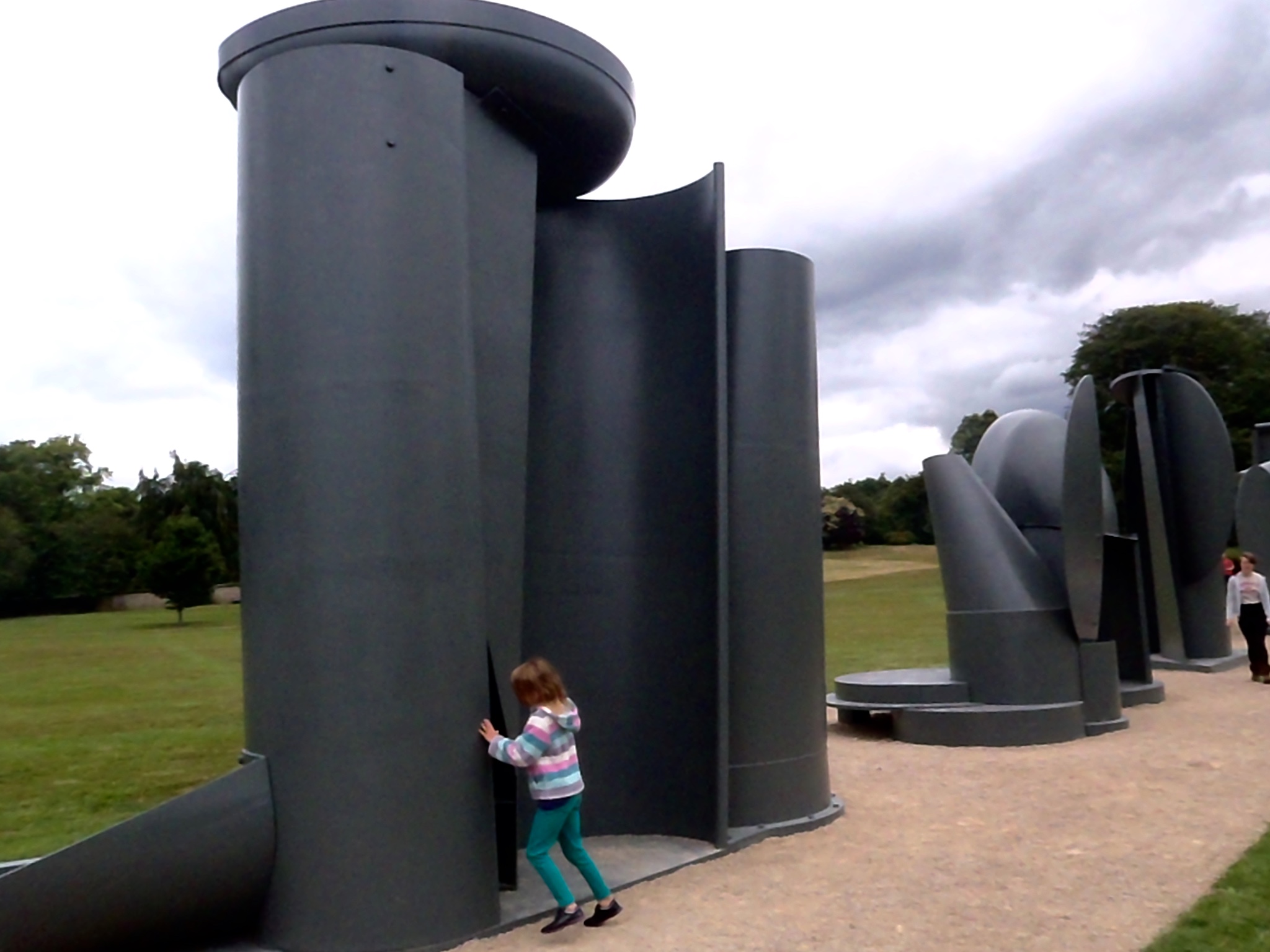
 Anthony Caro

Anthony Caro

Rebecca Buck, Osprey Studios

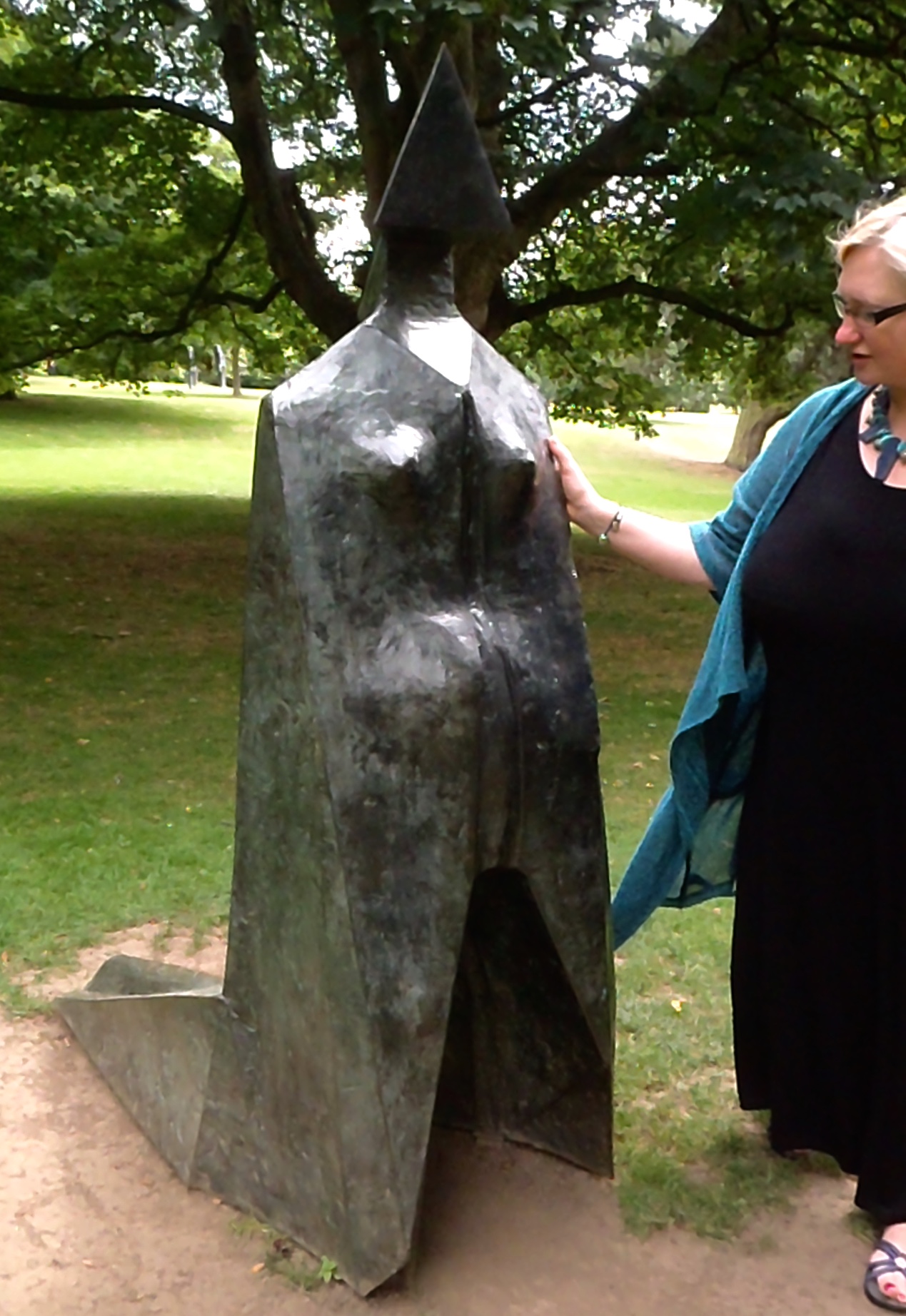
Lynn Chadwick.

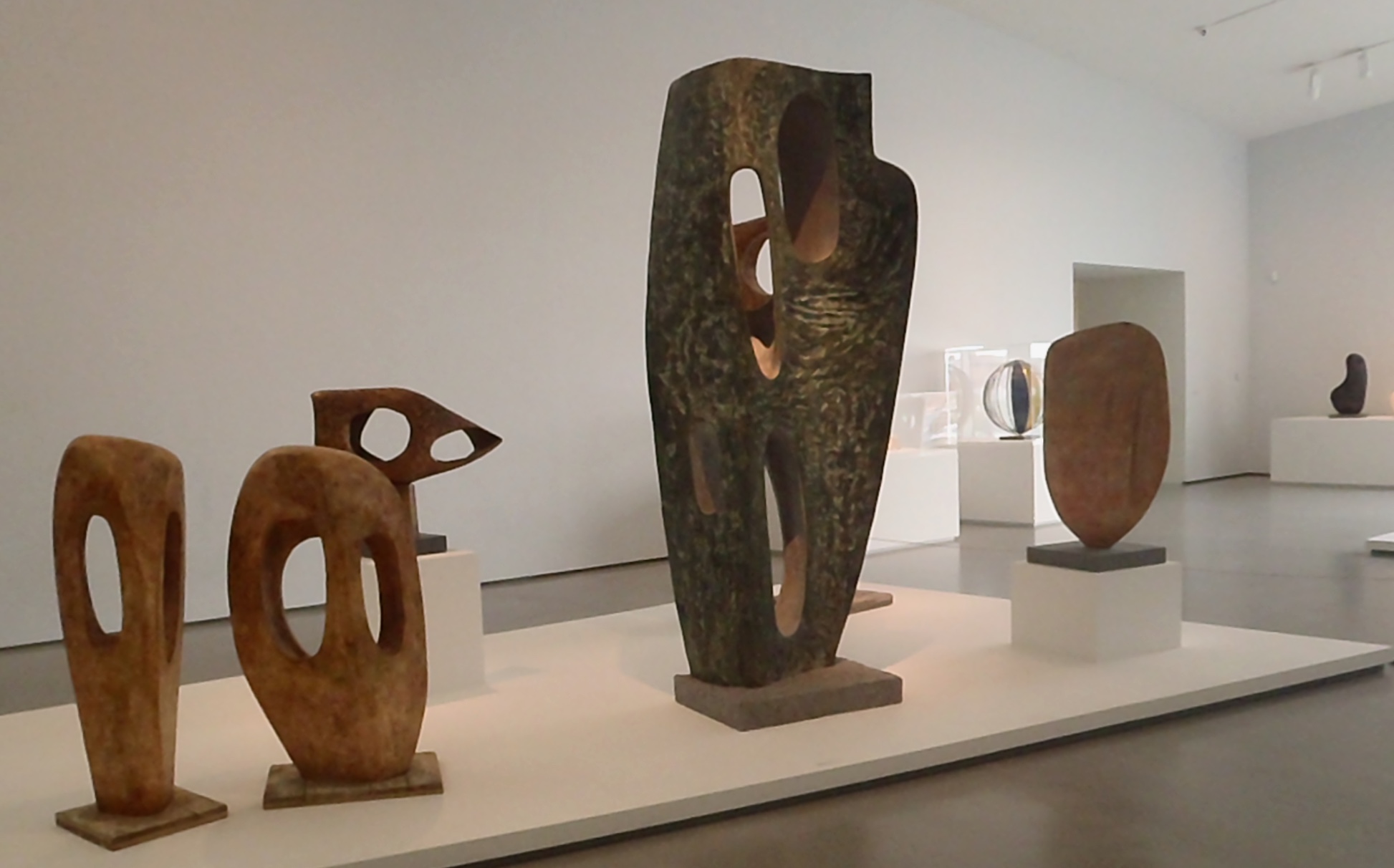
In the Underground Gallery they had set a completely stunning exhibition ” Henry Moore, Back To A Land”. Such a great title, I was hooked as soon as I saw it as we entered the Park.  The Show  was beautifully lit and spacious. There were pieces I had never seen before.  And lots of preparatory work like small scale models, drawings, found objects like intriguing stones. His tools were  laid out respectfully. I would dearly love to have had this Show as my home. It was wonderful. There is a nice short film that introduces the Show the very well; Henry Moore at YSP.

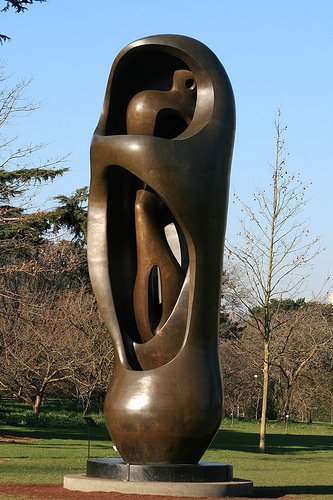
I had planned to do my BFA,Hons thesis on Henry Moore. I had an appointment to meet with him in 1985. I transported my feint ghost of a self, rigid with respect, awe and generalised terror, to his home and Studio. But sadly he was too unwell that day to see me. One of his very kind, thoughtful and generous assistants took me around the studios and told me all about it. I wrote my thesis about him in the end and I cringe to admit that I can’t remember his name. They were enlarging this sculpture, or one very like it , in polystyrene, scaling up from a small model Henry Moore had made many years previously. The Lovely Assistant told me that Henry often felt very anxious when this happened, that he wasn’t sure it was right to enlarge a piece made to be small. We all get the doubts…!

Henry Moore

Henry Moore

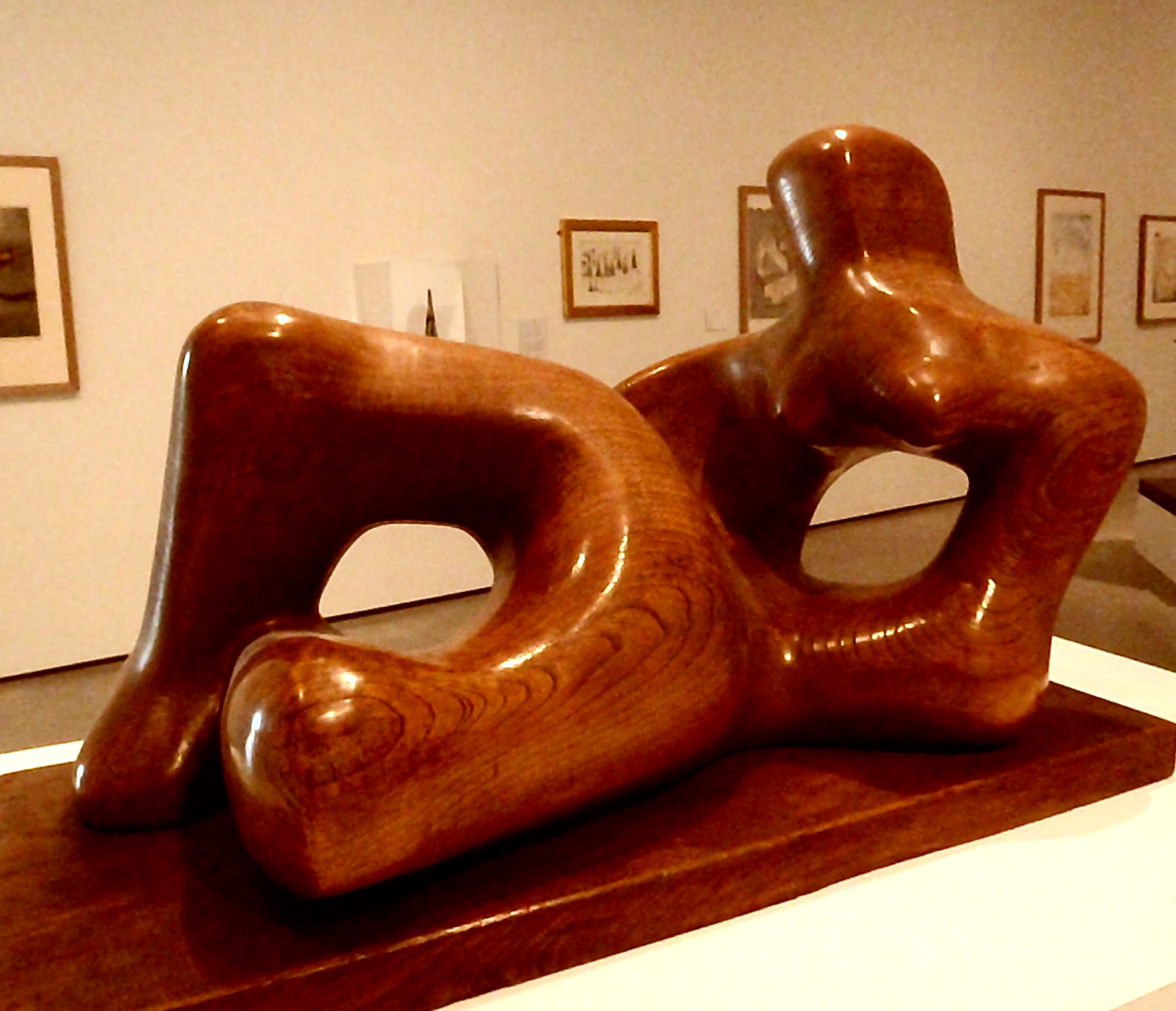
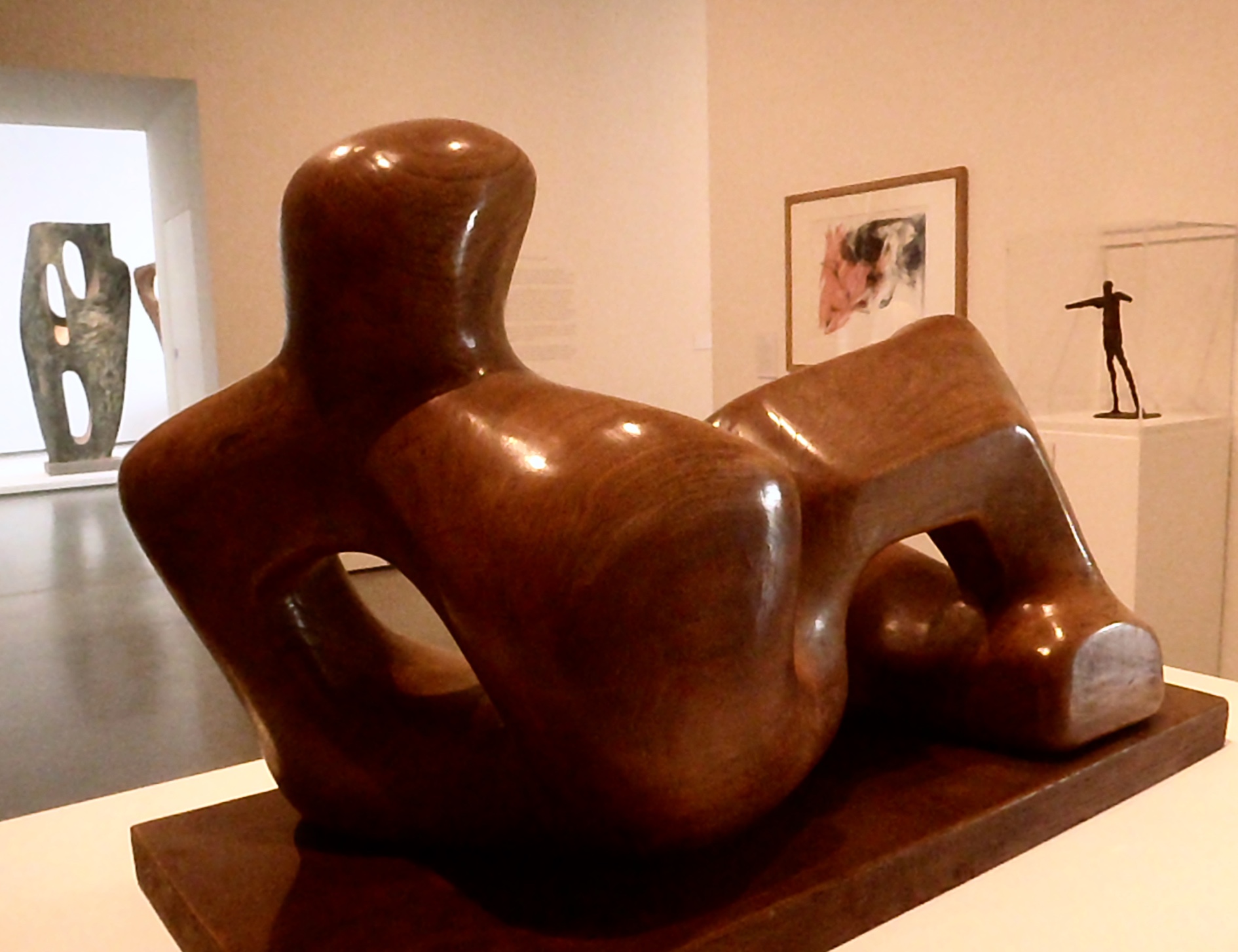
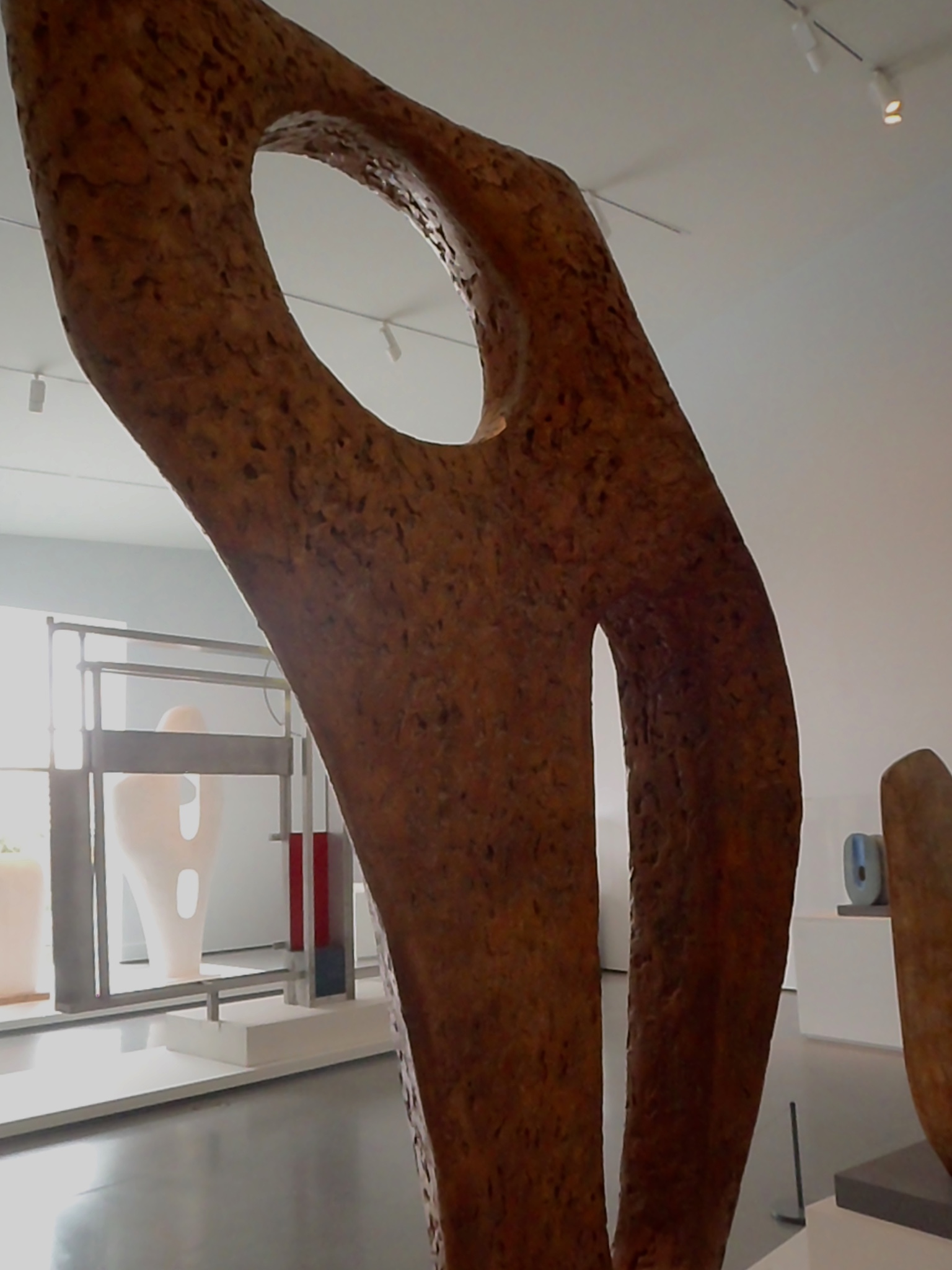
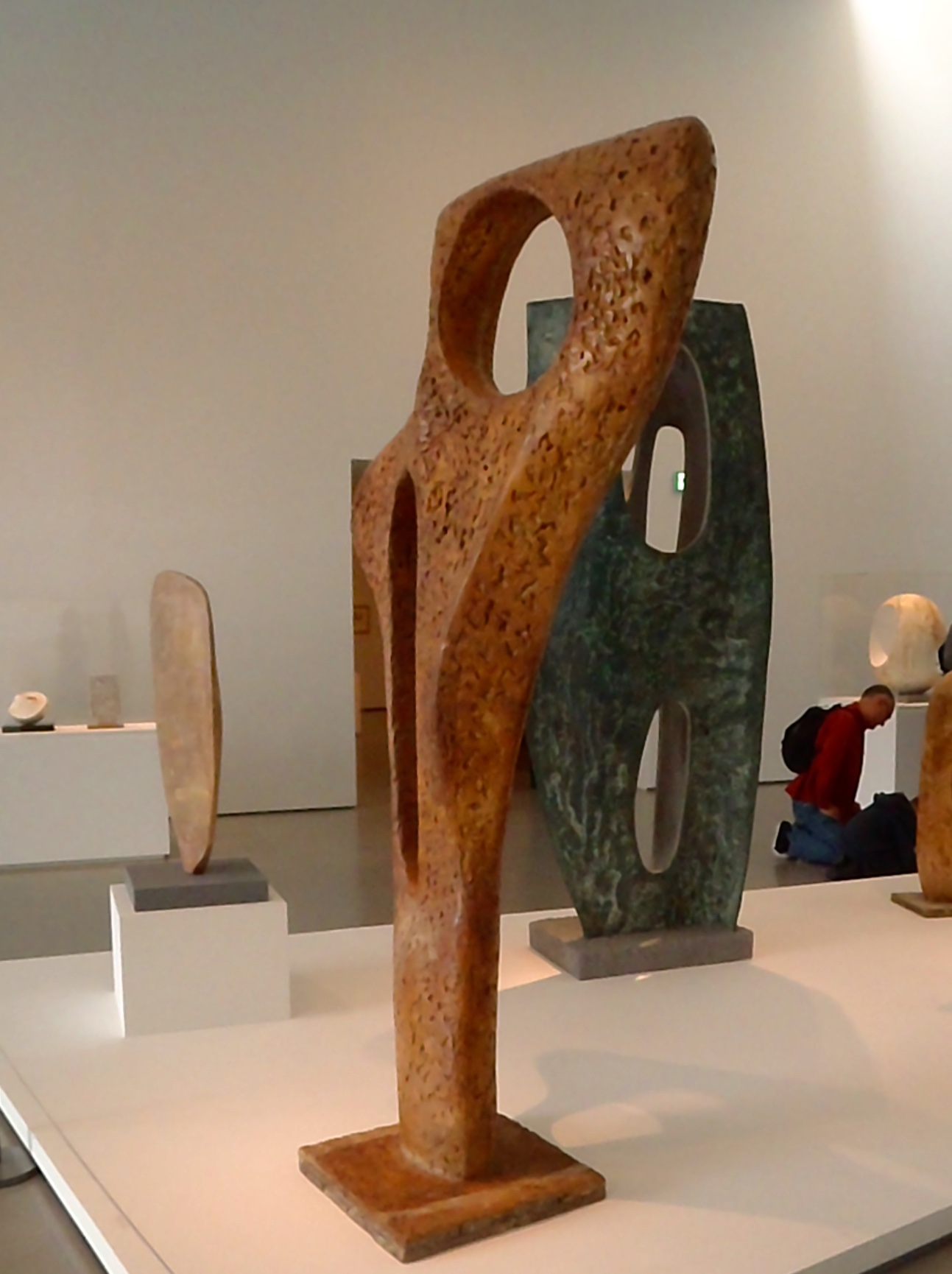
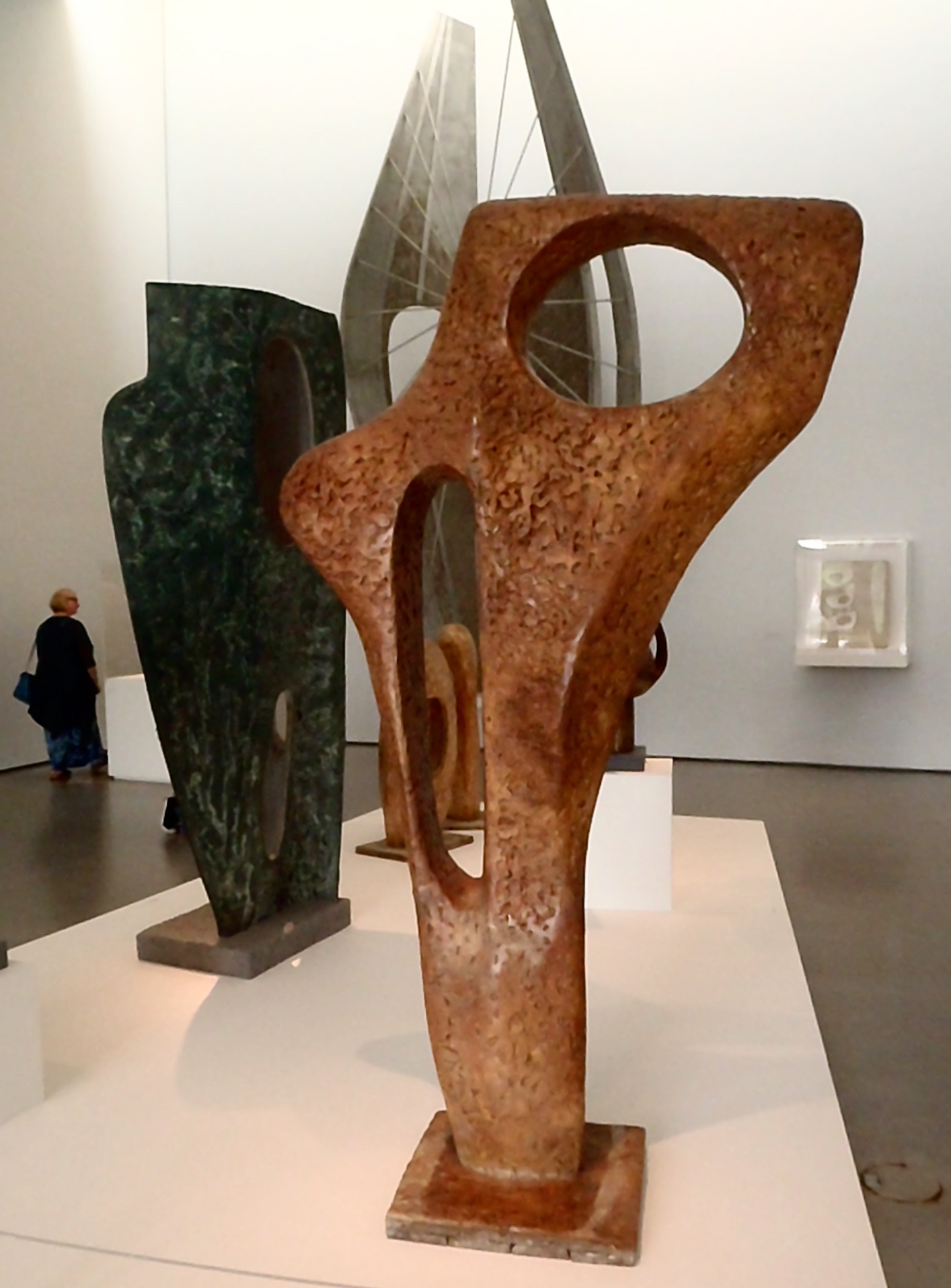
Both Hepworth and Moore used evocative, shifting textures that further describe the forms by capturing shadows and reflecting concentrated spots of light. In both of these exceptional venues you can get right up close and inspect the craftsmanship. At YSP, even outside, they do ask that you don’t touch the work  but the sheep use them as windbreaks and scratching posts so most people feel there their gentle caress wont do any harm and it feels very good to send Henry Moore a whispered message of gratitude and recognition from the heart and through the hand.

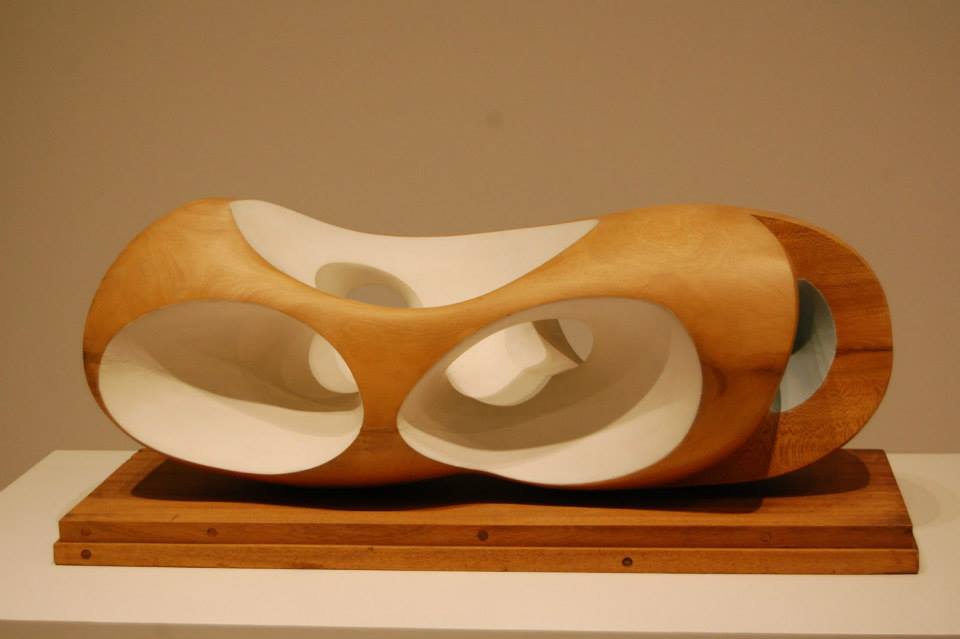
Barbara Hepworth

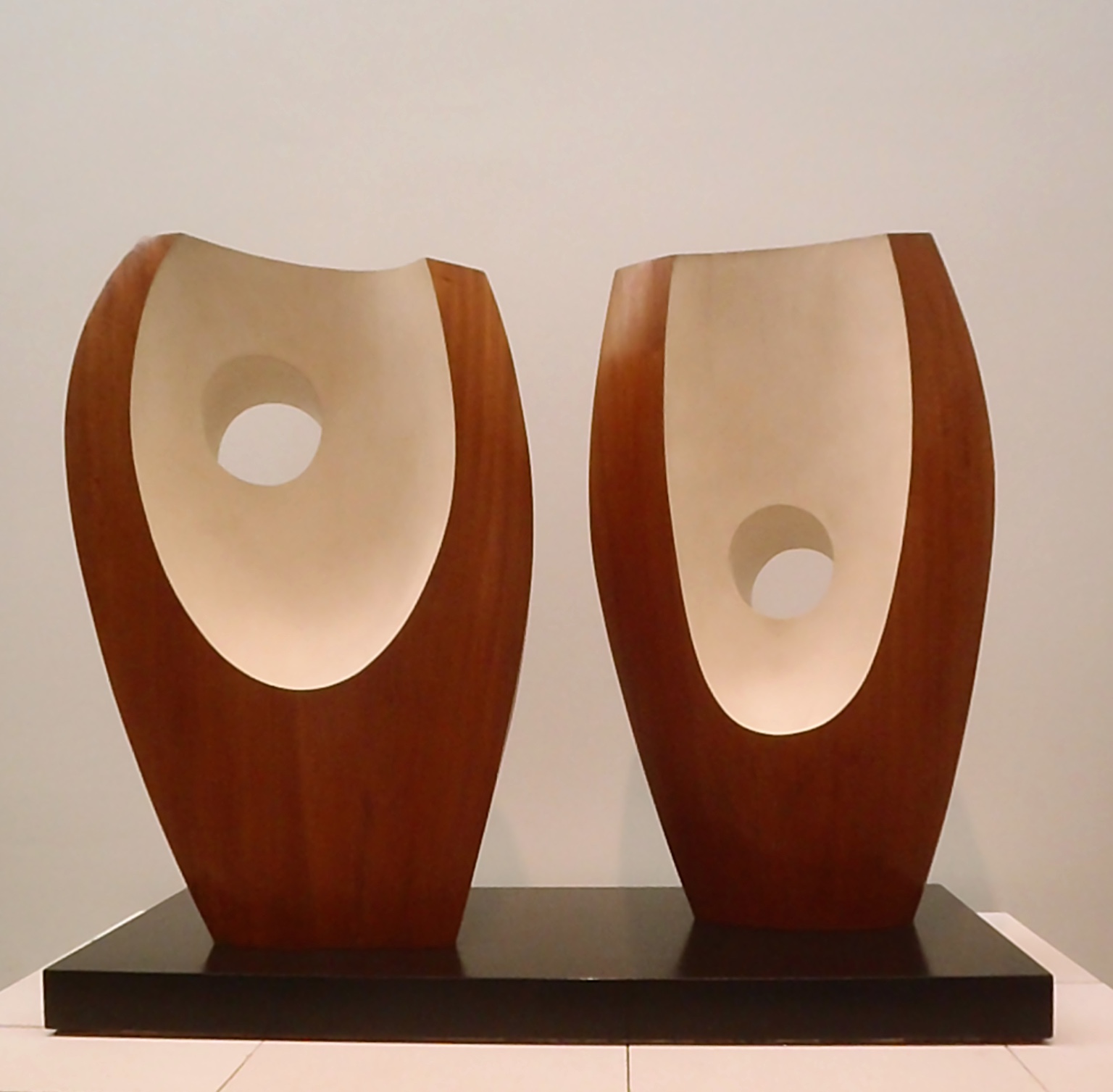
Barbara Hepworth. Detail of Rock Form (Porthcurno), 1964.

Barbara Hepworth

Barbara Hepworth, Figure (Archaean) 1959.

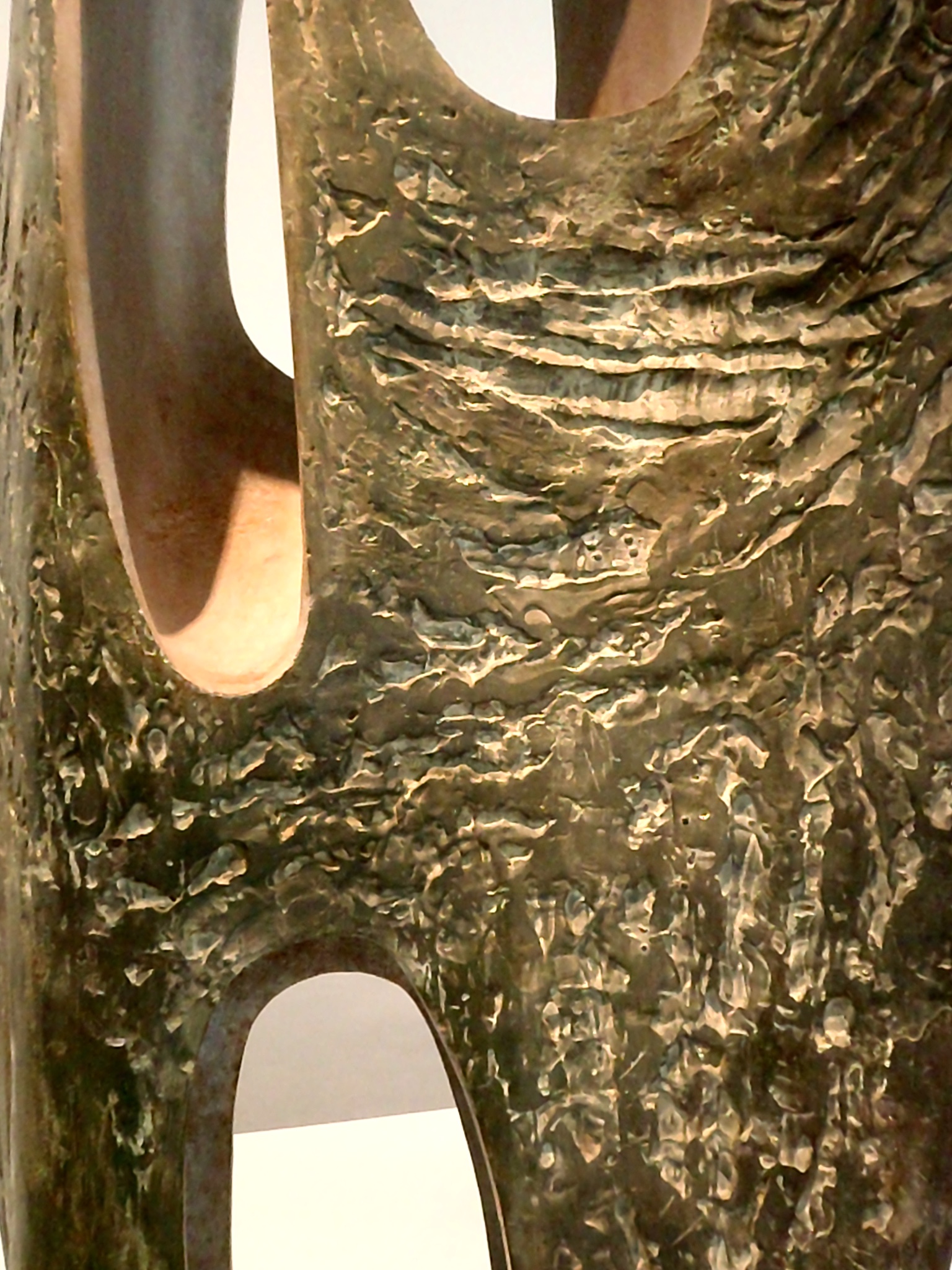
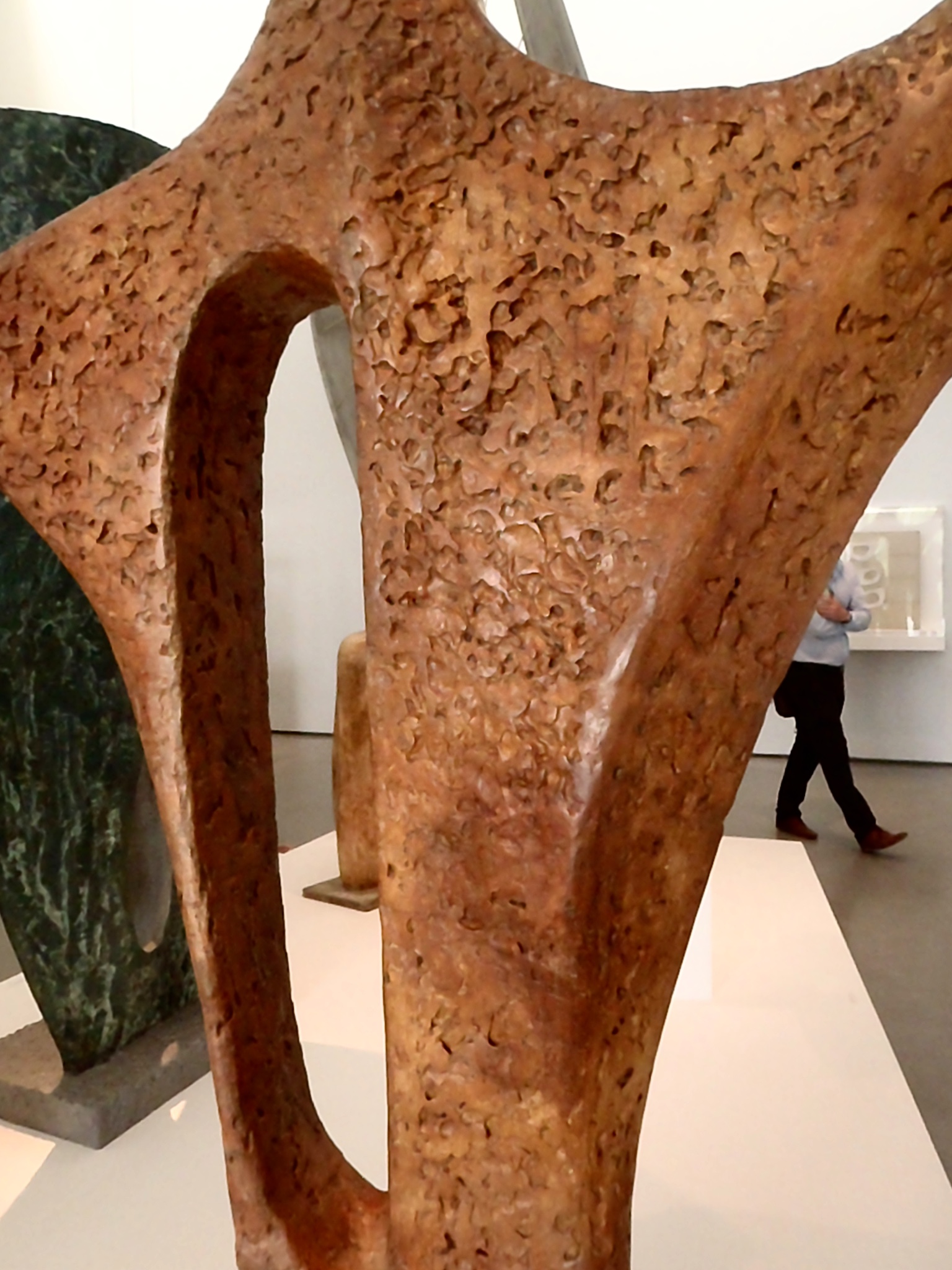
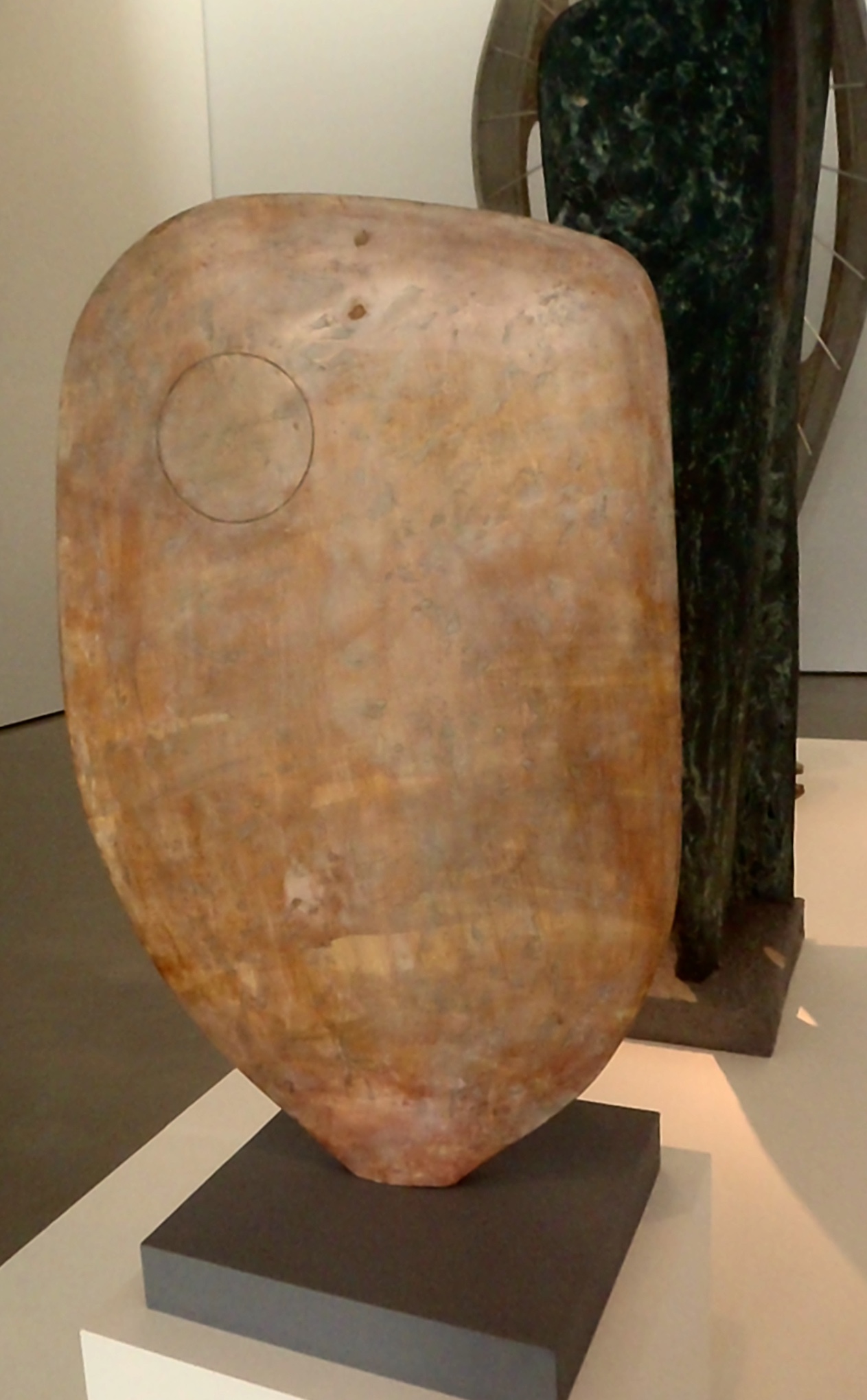
These details of Rock Form and Figure (Archaean) show the deeply textured surface built up in plaster with the intension of ultimately being bronze. Both Moore and Hepworth had carving as their true-love but both built up forms with plaster, and occasionally clay, for models, to be cast in bronze. Here’s the whole of Rock Form showing the texture across the form;

Barbara Hepworth

Barbara Hepworth

Barbara Hepworth

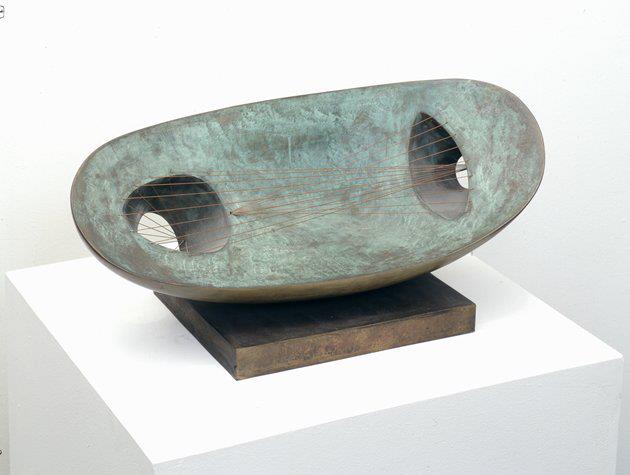
Barbara Hepworth, Rock Form (Porthcurno), 1964. She wrote of the group of pieces that include this one;’these are all sea forms and rock forms, related to Porthcurno on the Land’s End coast with its queer caves pierced by the sea. They were experiences of people- the movement of people in and out is always a part of them’. I lived in St Agnes on the north Cornwall coast around 1980ish. Fabulous area over-flowing with strange myths, legends and other-worldly beings. People often go there to loose themselves for a while. Hepworth moved her young family there just before WW2 broke out. Her Studio and the work in it left in London was destroyed by bombings. She stayed in Cornwall for the rest of her life, playing her part in the prosperity of the area along with Bernard Leach’s Pottery that continues to this day with the Tate Gallery having a wing there.

Barbara Hepworth

Barbara Hepworth

Barbara Hepworth

Barbara Hepworth

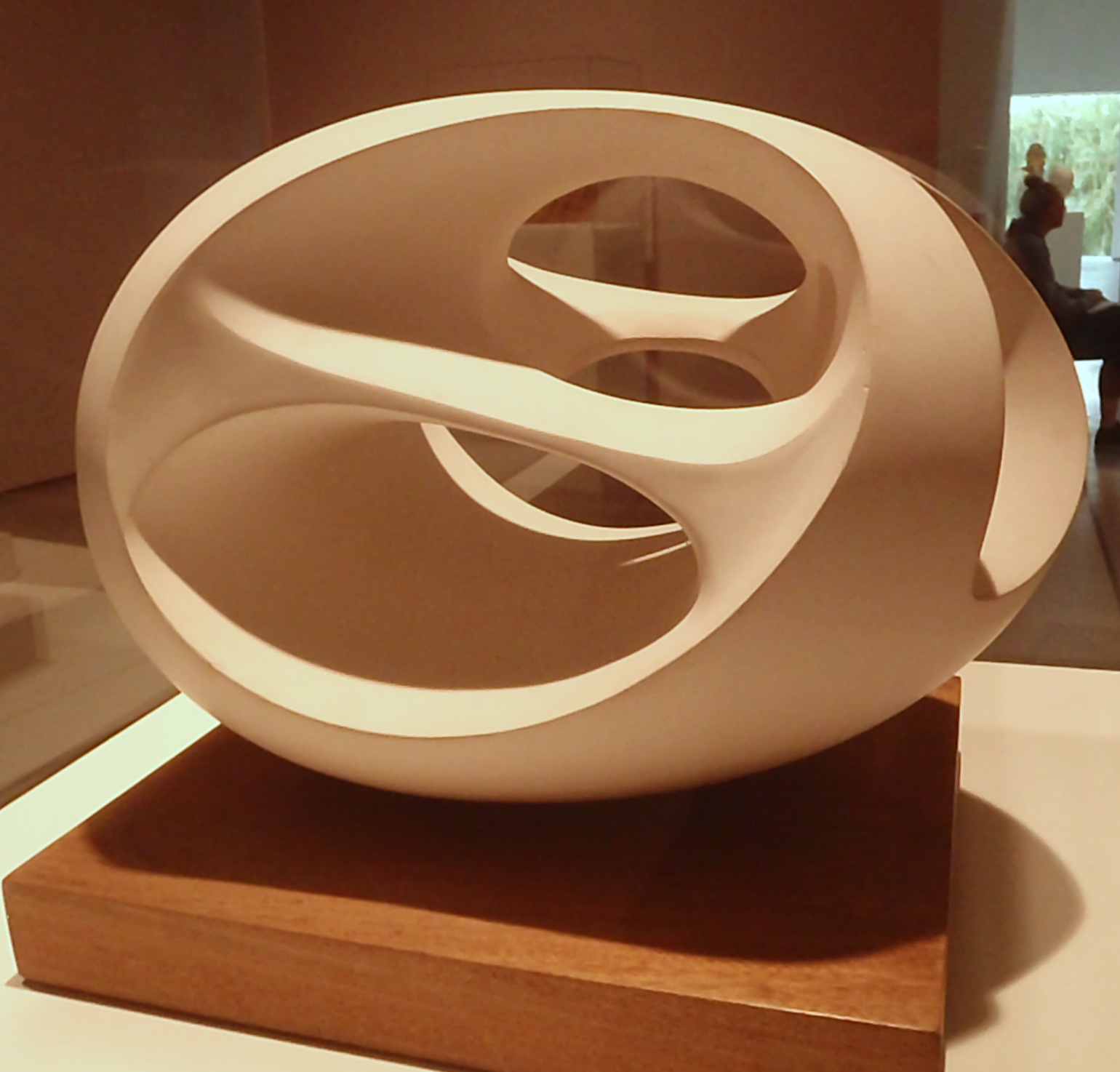
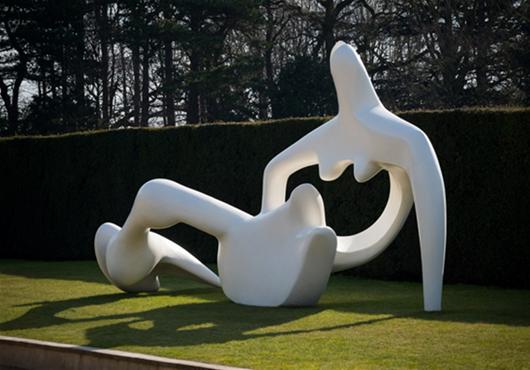
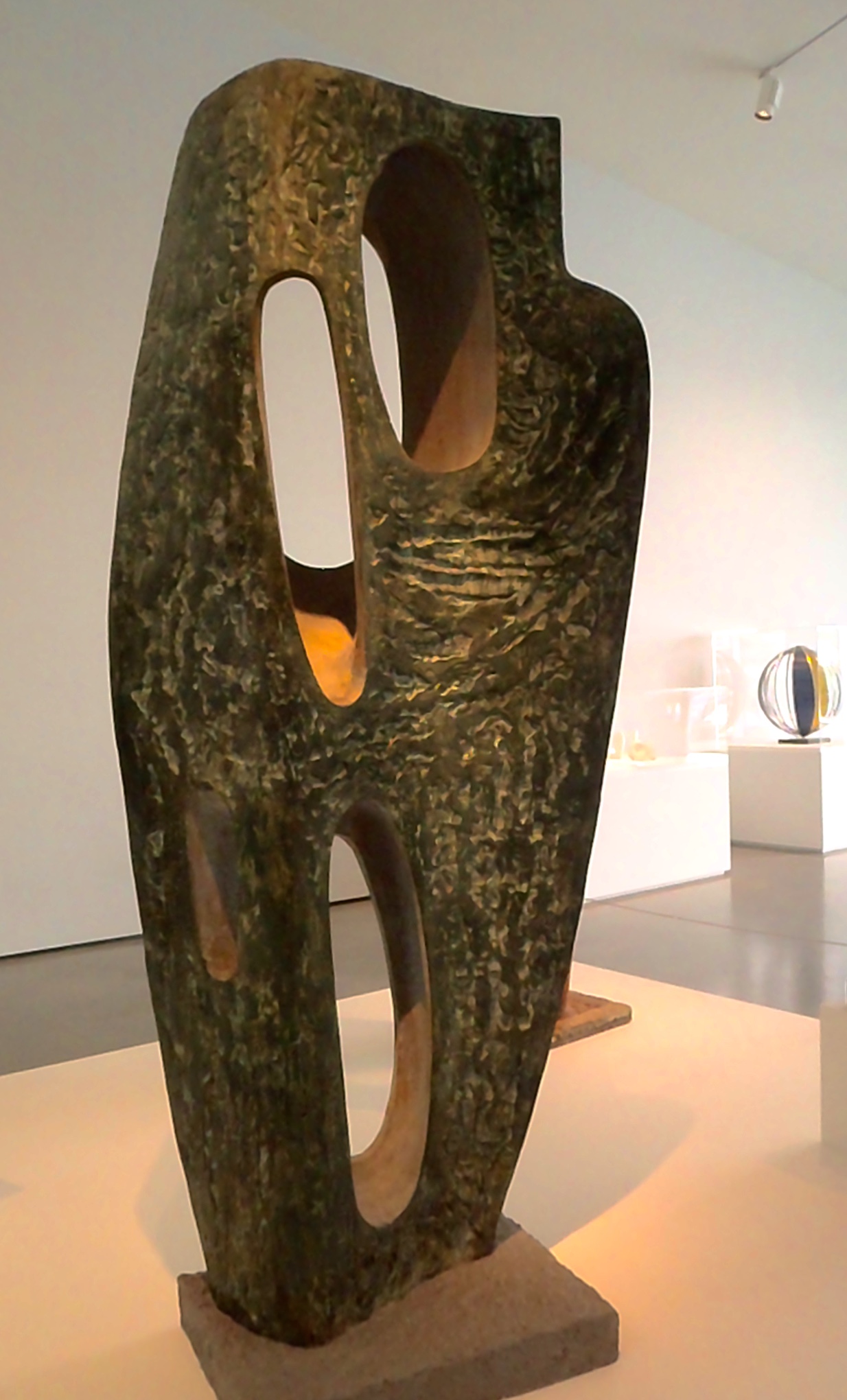
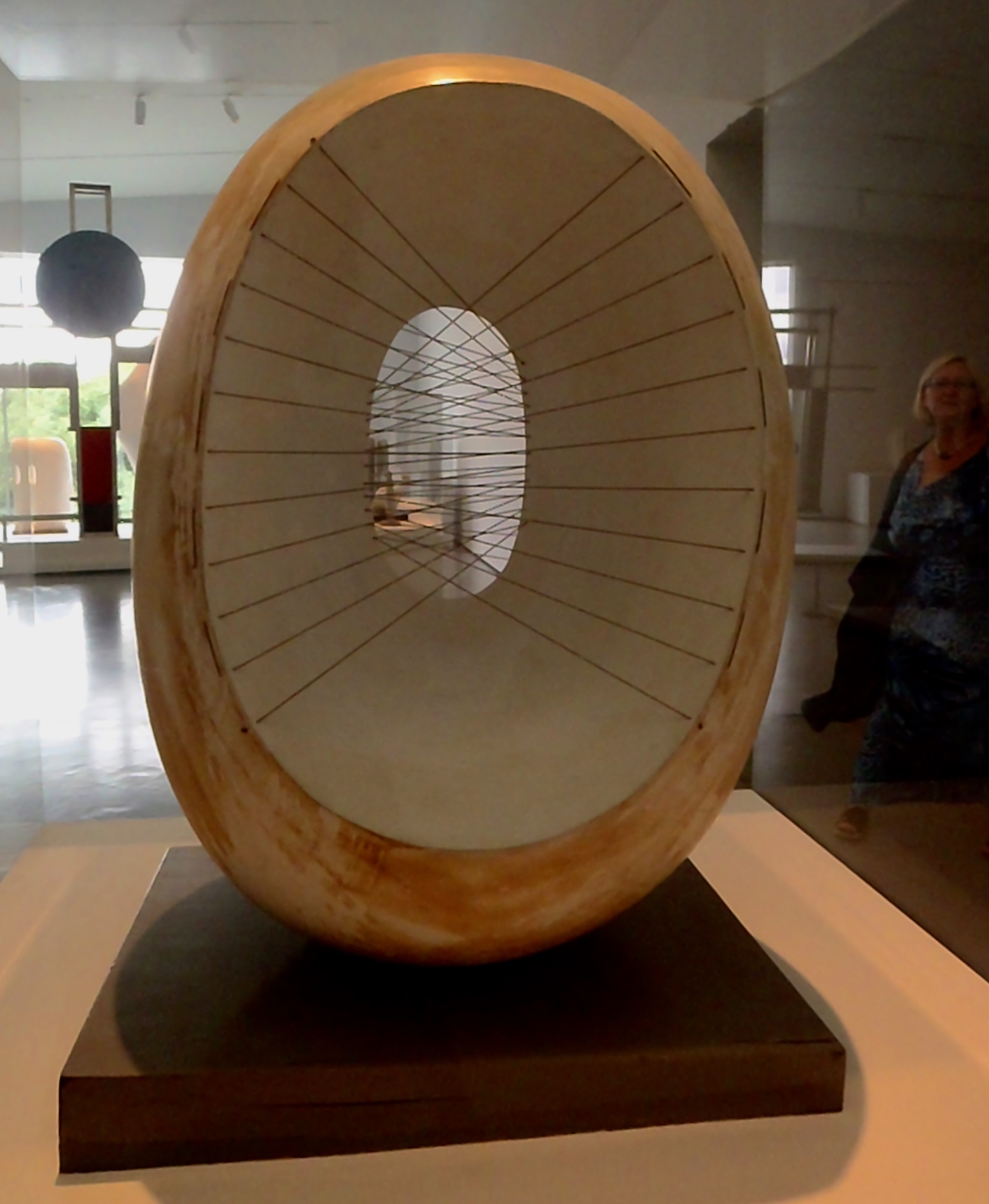
I particularly love Rock Form. The holes face into the form bringing light in to meet within the shelters of the sculpture. Both Moore and Hepworth use the edges of holes so ingeniously to hold or pour light around the forms. Interior space is a massive issue with sculpture made in ceramic because the pieces usually have to be hollow if they are over a certain size wether that space has meaning to the theme or not. Bronzes are hollow too but, no matter what it is made into, ceramics always carries it’s ancient history of pots that is so intricately entwined in our evolution that we describe our bodies as vessels; no one can resist looking into the openings of big pots , can they. I am particularly re-studying the use of holes and the directing of a flow around forms in both sculptors work.

Henry Moore

Henry Moore

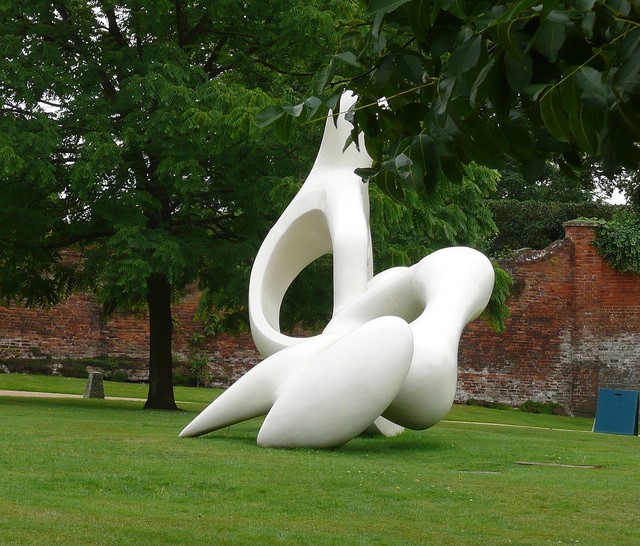
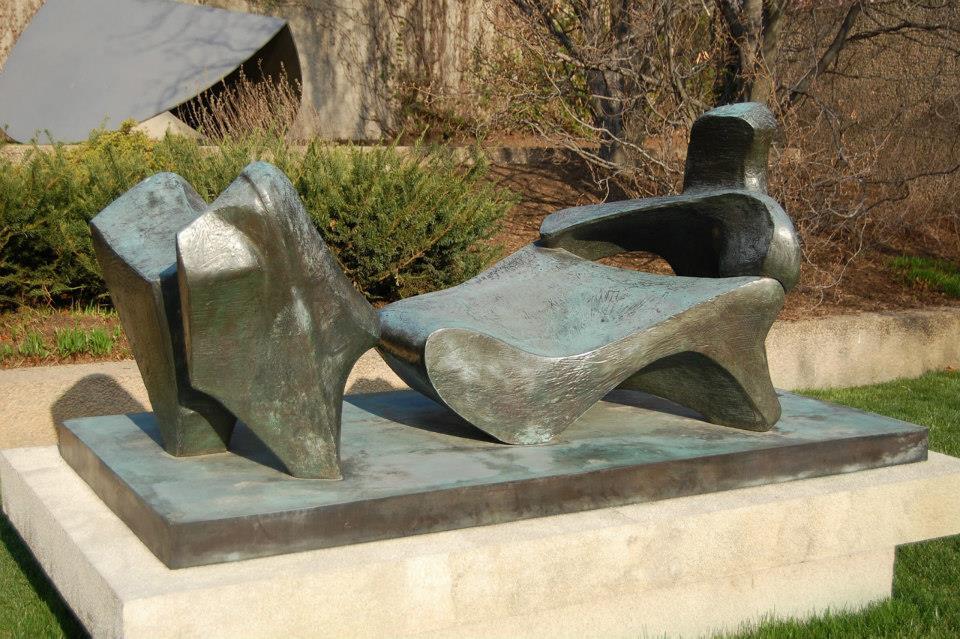
They both also used grouped forms a lot and one sculpture made of several parts is classic Moore. It’s really hard to do. Currently my work is gradually disassembling; bases reduced as far as possible, interior space integrated with the exterior (to a point…LOT more work needed there…) surfaces deeply textured. But so far any attempts to divide the form reek of pastiche. You can’t fake this stuff, it has to be sincere and real. Henry Moore had a strong relationship with the monumental formations of stone on the moors of his formative environment and tunnelling coal mines of his community. For the last 17 years  I have lived in a landscape and culture shaped by mining; 12 in the Rhondda Valley and making Pit Markers and Memorials across the Valleys and the last 5 years  in the Upper Tawe Valley, with the front of Osprey Studios  facing a working pit and and the back  facing the ancient, worn, mountains of the Brecon Beacons. The Landscape Series ( with the awesome Photographer, Stephen Foote) is all about describing our place within  the Natural World in this location and experiential frame-work; I am guided by the foot-steps of  giants. Pleasingly I live at the foot of Cribarth, the Sleeping Giant mountain, which rounds that train of thought off nicely.

Anthony Caro

Anthony Caro

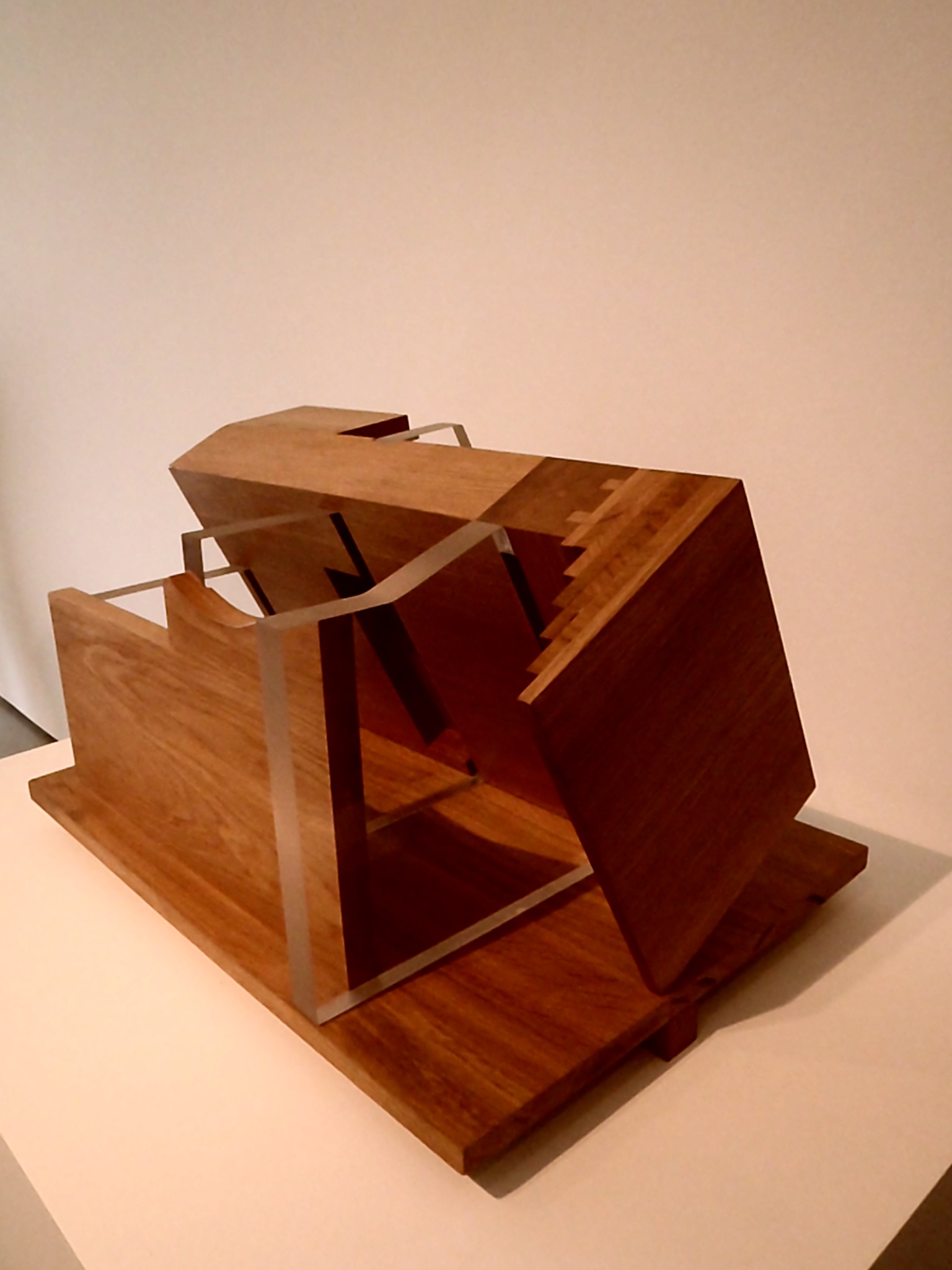
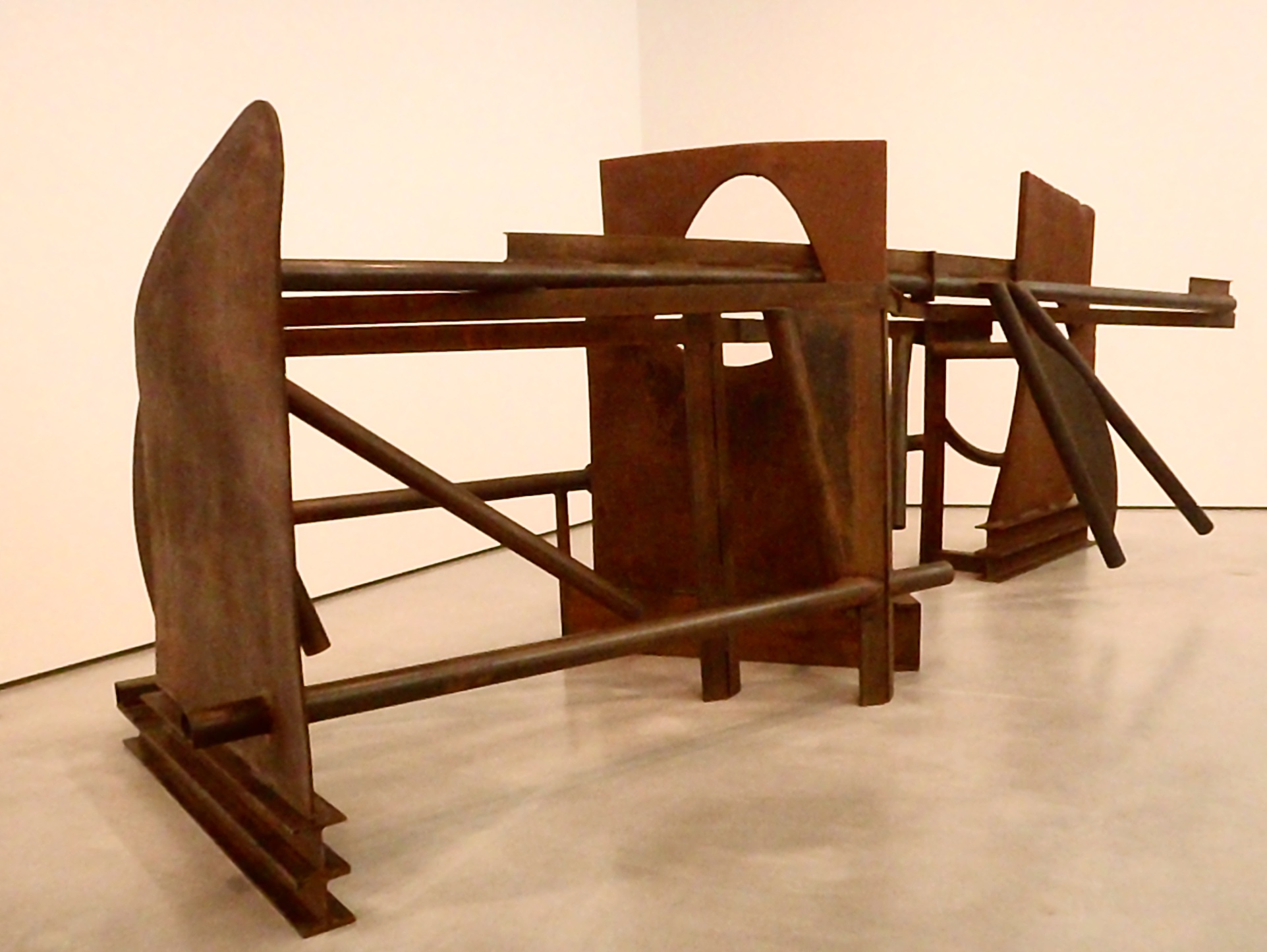
Anthony  Caro was also on show at YSP, with lots of fab models and a few sculptures that got to me because they played with contained space and were beautifully made.

Anthony Caro

Anthony Caro

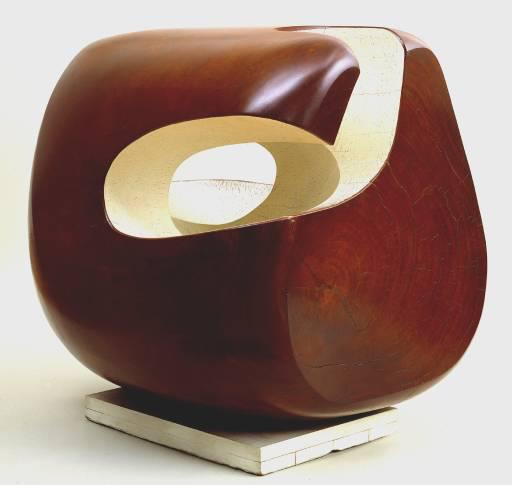
The carvings of Hepworth and Moore are beyond beautiful. The ethos of Truth To Materials, held by their group of artist colleagues for some years, shines out especially in the wood pieces. I took this idea very much to heart as an intense teenager. Clay comes in a multitude of disguises, no  single one speaking for all clay. Each blend of wild clays has it’s own characteristics to be celebrated. I still honour my material and work for it. It is a powerful material fully aware of the ties that bind us to it. It has shaped us and our societies countless times over the Millenia.

Barbara Hepworth

Barbara Hepworth

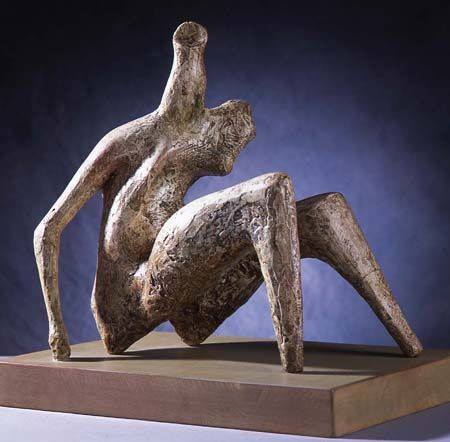
Henry Moore

Henry Moore

Henry Moore

Henry Moore

Barbara Hepworth

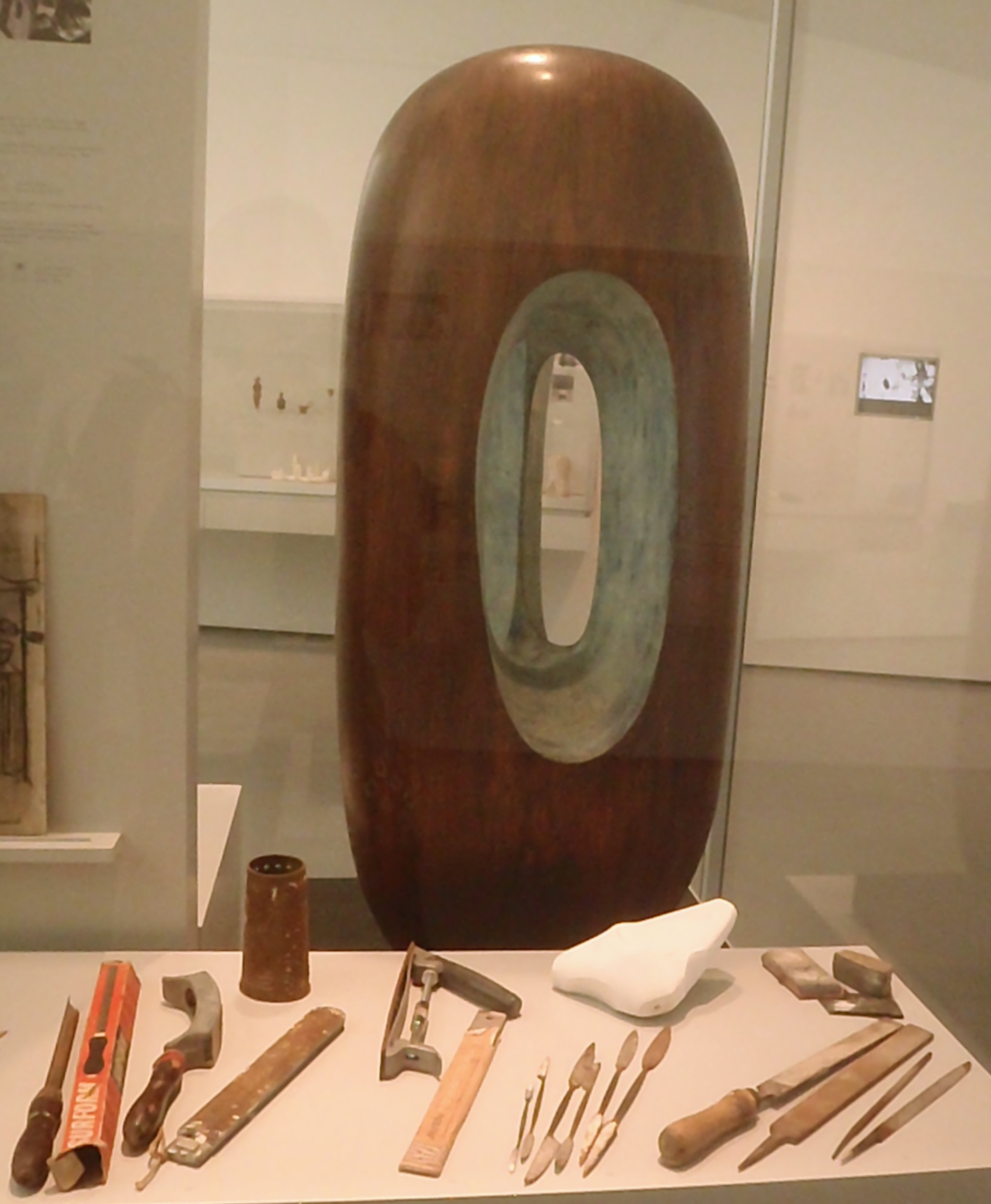
Barbara Hepworth, carving in wood and some of her plaster-work tools.

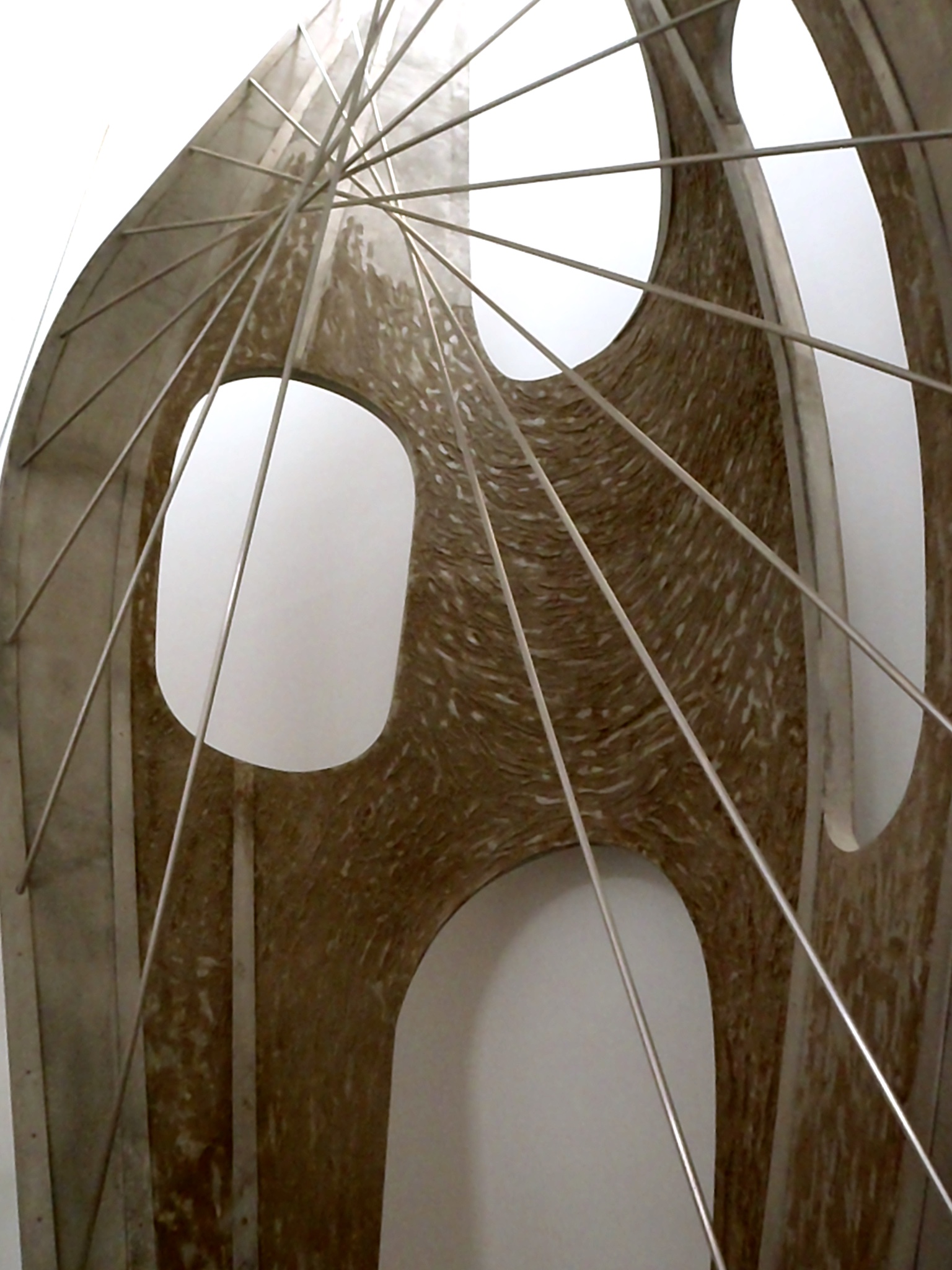
Barbara Hepworth used lines of string or steel to follow the forces running through the forms. Henry Moore often cut lines into the surface. Both are such bold and fantastically effective things to do in certain circumstances. Working from these examples I’ve been using repeated patterns of texture or curves  to achieve the same thing with various degrees of success.

Barbara Hepworth

Barbara Hepworth

Barbara Hepworth

Barbara Hepworth

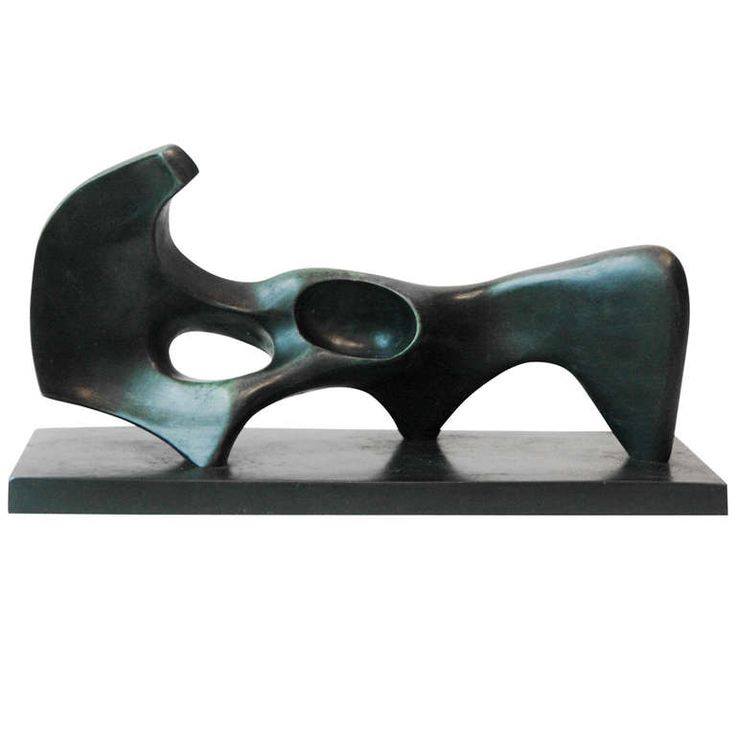
Here’s some other images of beautiful sculptures from Barbara Hepworth and Henry Moore, some taken by me and many collected from the internet. My thanks to the photographers and I am sorry I do not have your names.

Barbara Hepworth

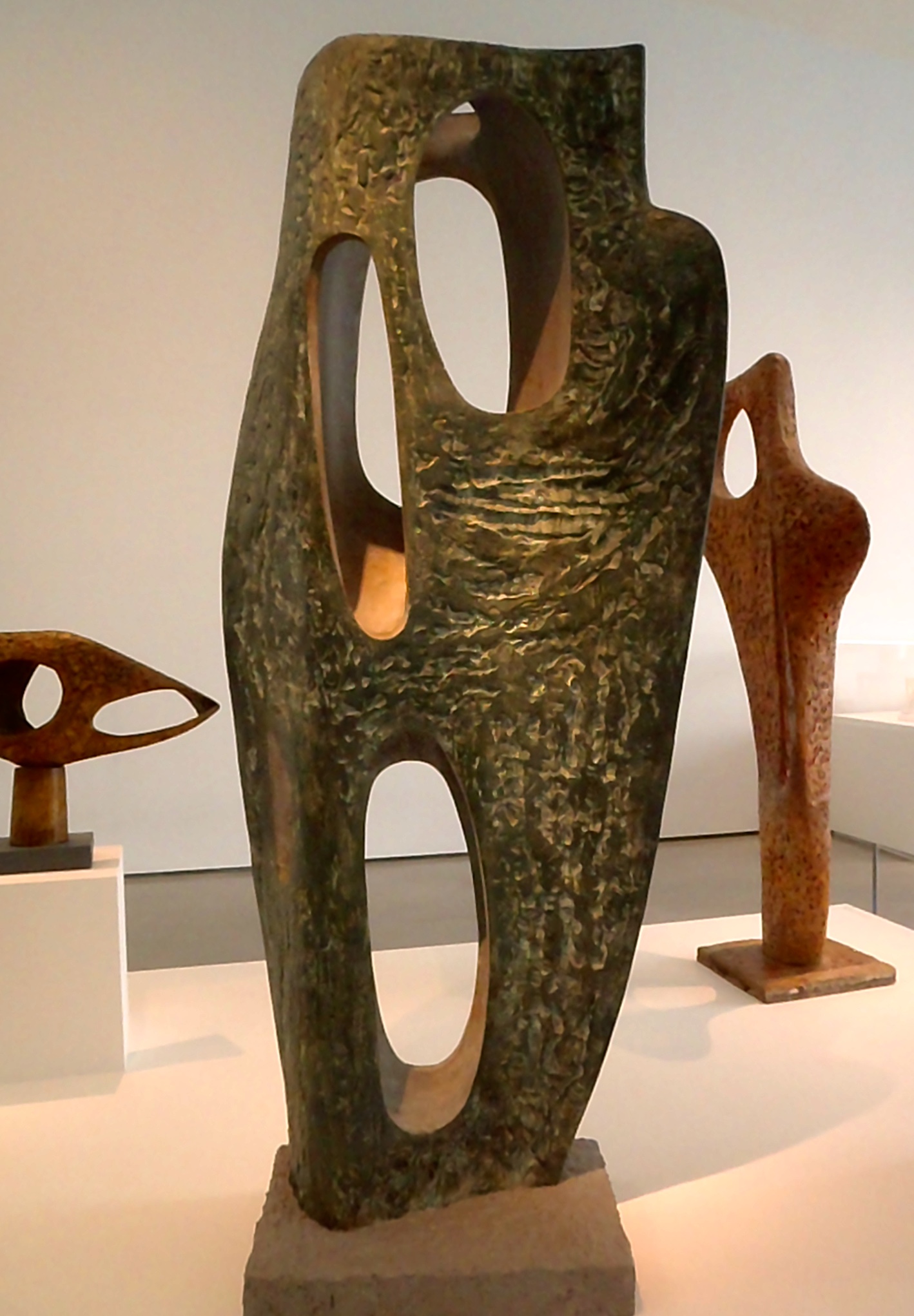
Barbara Hepworth, Figure (Archaean), 1959. The name derives from the ancient Greek word for beginning or origin. The Archaean period saw the emergence of life on earth. Hepworth was very drawn to standing stones and felt a connection as a sculptor to the people who had been compelled to put them up. She often talked about how a person out in a landscape was a sculpture and part of the landscape. She saw her sculptures as living people. Not in a crazy way but in that her work was not done until the form was imbued with life. Over time her relationship with that piece would evolve and change, just as it does with other living beings.

Barbara Hepworth

Barbara Hepworth

Barbara Hepworth

Barbara Hepworth. Wouldn’t it be amazing to have this part of The Hepworth, Wakefield as your living room?

Barbara Hepworth

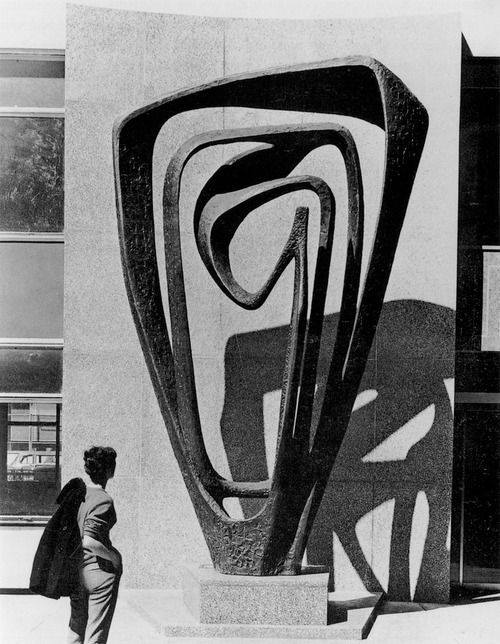
Barbara Hepworth, Single Form (Chun Quoit), 1961. Chun Quoit is a Neolithic chamber tomb in the beautiful landscape between St Ives and Land’s End (Cornwall, UK), an area that had a profound effect on Hepworth. It was created with her friend Dag Hammarskjold in mind. When he died not long afterwards she made the stunning, 3metre high version for the new United Nations Secretariat Building in New York City. I can’t deny that I get a kick out of this wonderful sculpture being made and installed there in the year of my birth in NYC!

OLYMPUS DIGITAL CAMERA

Barbara Hepworth.

Here is a charming video with some lovely footage of Hepworth working made by the Kroller-Muller Museum: Barbara Hepworth, Sculpture for a Modern World.

Henry Moore.

Henry Moore.


Henry Moore

Henry Moore

Henry Moore

Henry Moore

Henry Moore

Henry Moore

Barbara Hepworth

Barbara Hepworth

Barbara Hepworth

Barbara Hepworth

Barbara Hepworth

Barbara Hepworth

Henry Moore

Henry Moore

Henry Moore

Henry Moore

Henry Moore

Henry Moore

Barbara Hepworth

Barbara Hepworth

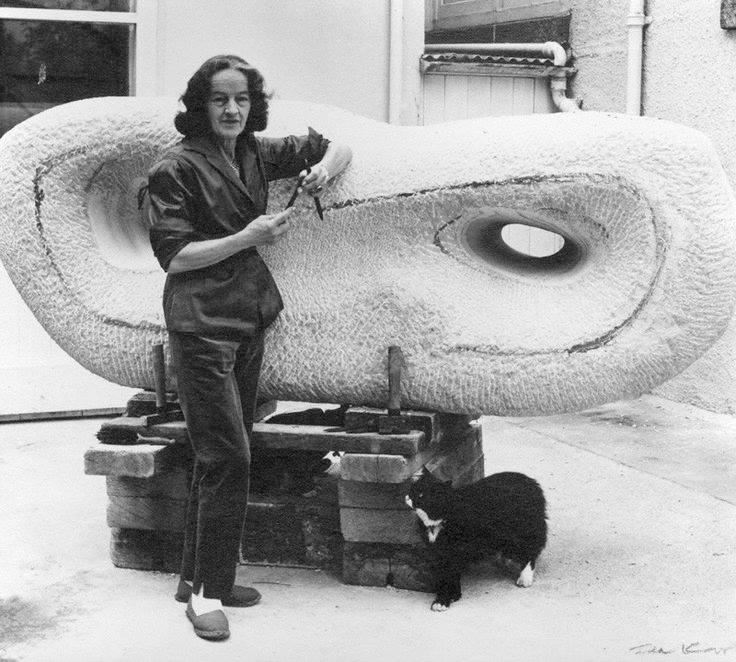
Barbara Hepworth at work.

Barbara Hepworth at work.

Barbara Hepworth

Barbara Hepworth

Henry Moore at work.

Henry Moore at work.

Barbara Hepworth at work

Barbara Hepworth at work

Henry Moore

Henry Moore


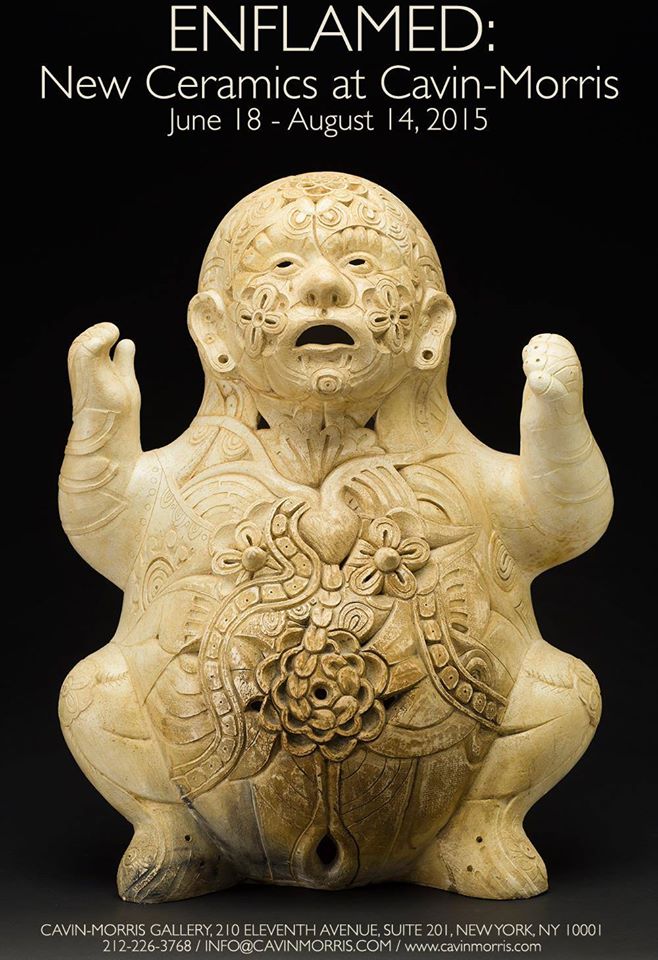
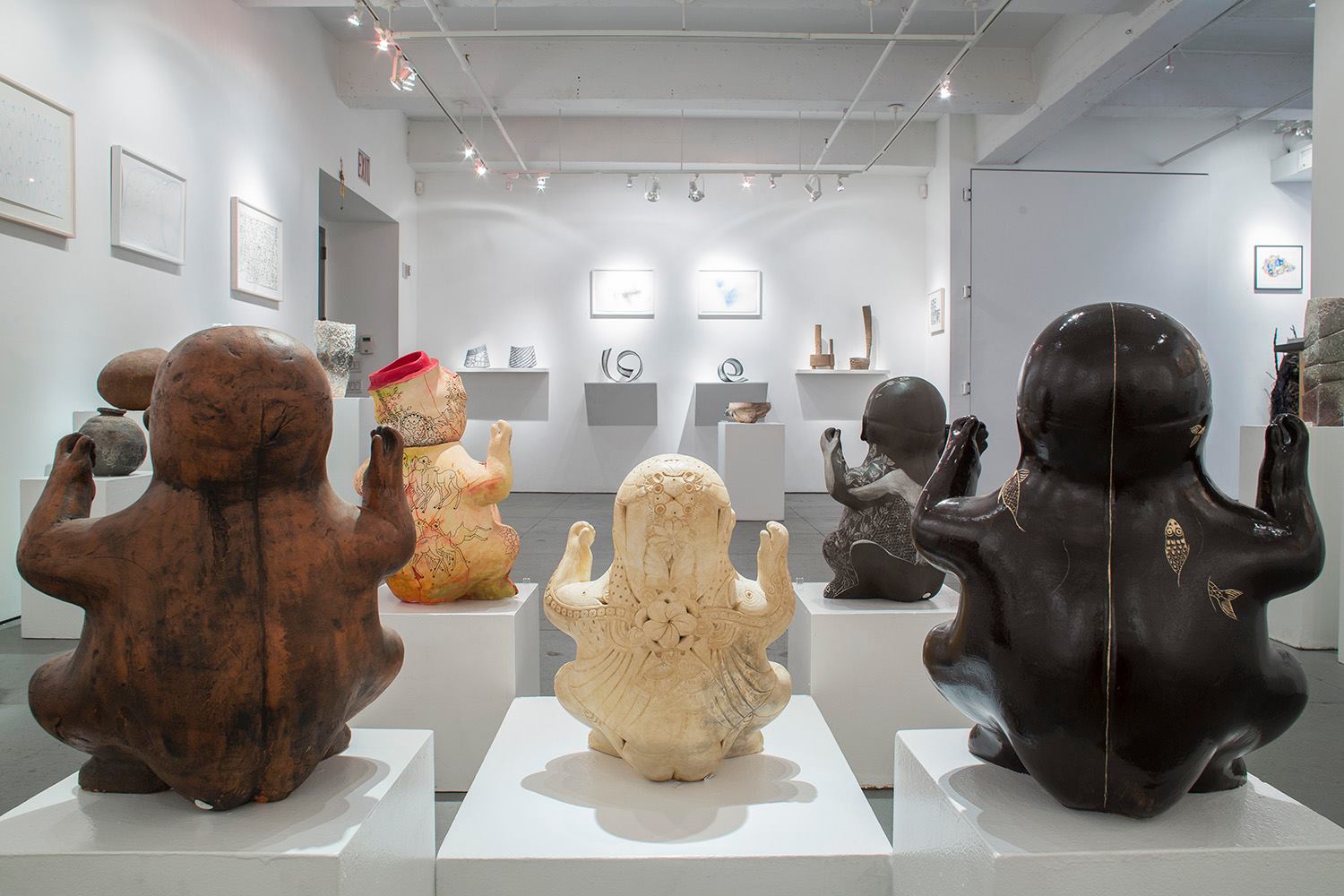
Enflamed at Cavin-Morris Gallery, New York.

11011935_10207300528734378_8987761482456507006_o

Being invited to join this beautiful, sensuous, soul-reaching collection made my day. Some of my favourite Ceramists like  Melanie Ferguson and Monique Rutherford show with Cavin-Morris Gallery. Their introduction to their site made my week;

“Cavin-Morris Gallery has been exhibiting world artists for 30 years. We specialise in the work of self-taught artists whose work is made independently of the art world canon yet participates equally on the wall or pedestal. We represent the new generation of self-taught artists whose work remains authentic and visionary while representative of contemporary times. We also feature important works from preceding generations of self-taught artists including Jon Serl, Bill Traylor and Emery Blagdon.

We show an eclectic selection of tribal art from all the major regions of the world focusing on the unusual and the formally surprising.
Another focus is on textiles of the world, including South East Asian costumes an textiles including tribal China, and Japanese Boros: futon covers made over a period of a hundred years from cotton patches and threads.

Our newest department is a developing interest in Contemporary ceramics both functional and non-functional. We are especially interested in the way ceramists push the envelope of traditional form sand cultures. We show Western ceramists as well as Japanese, Chinese and Korean work.

The common thread that connects all this art is its uniqueness, its integrity and authenticity, and its reflection of cultural home-ground. The Contemporary artists we represent extend the continuum established by the self-taught and Tribal artists into a new and exciting multi-tiered arena.”

This article explains it perfectly; ‘A Chelsea Double Feature; Paper Meets Clay On “Homeground’s” Turf’ by Edward M Gomez.

1977362_10207300528654376_2230692460964721983_n View the stunning Catalogue here.


Melanie Ferguson extra ordinary pots encompass the universe and lead you beyond your borders.

Melanie Ferguson extraordinary pots encompass the universe and lead you beyond your borders.


11537803_10207311092638469_5240733511911114339_n

Mitch Iburg‘s stunning pots leave me breathless with wonder.

11415505_10207311092438464_4275687813521443238_o

Mitch Iburg. All the mountains of the world are honoured here.

. 

11406152_10207311509928901_6036651068093316479_o

Sarah Purvey ‘s pot in the for-ground of  the beautiful display at Cavin-Morris Gallery.

11536487_10207311510008903_3648470053000841142_o

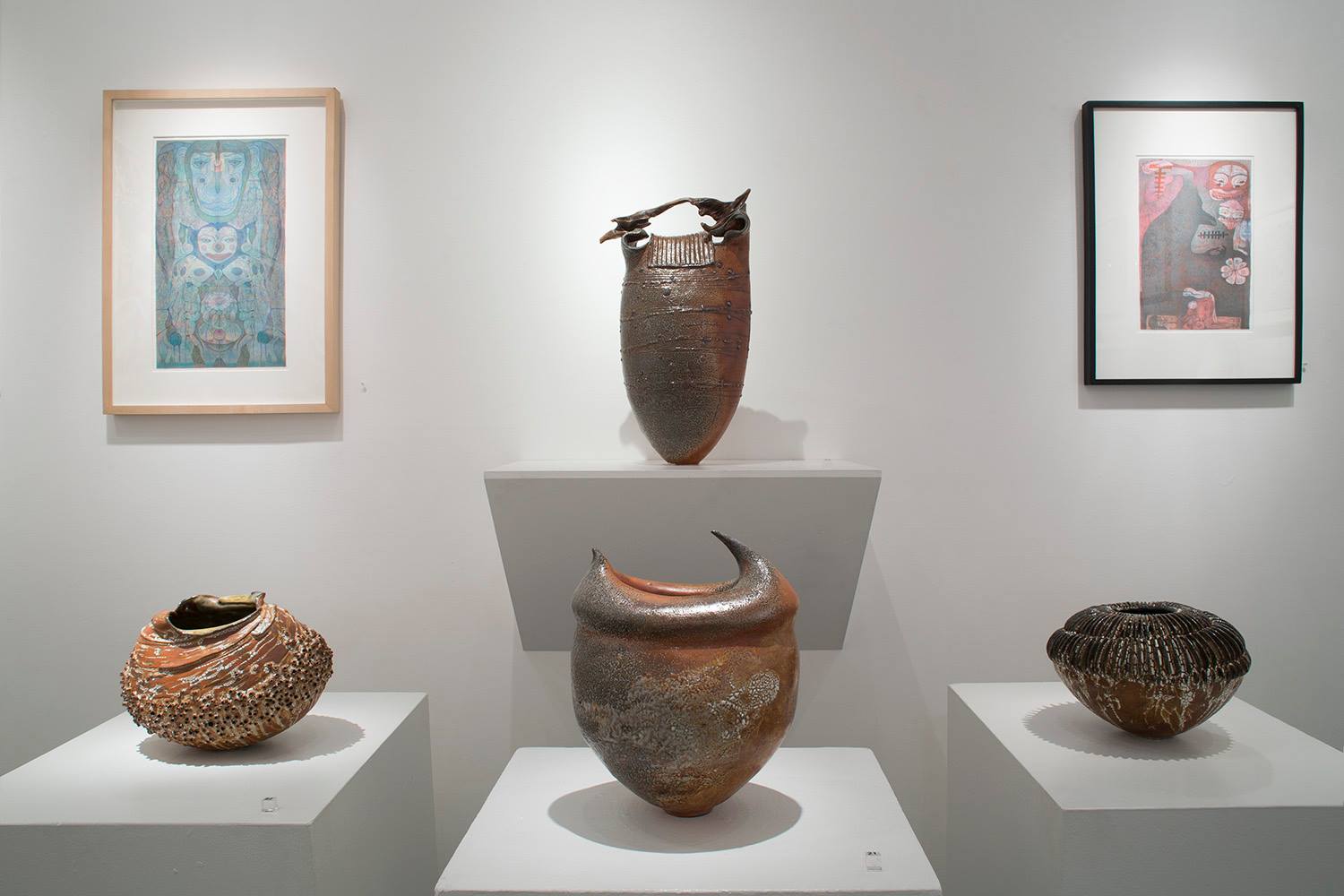
Cavin-Morris Gallery, New York City, USA.

Cavin-Morris Gallery, New York City, USA.

Cavin-Morris Gallery, New York City, USA.

11125816_10207311509968902_6811371242251941930_o

Cavin-Morris Gallery, New York City, USA.

11144951_10207300632456971_5008811582271769390_o

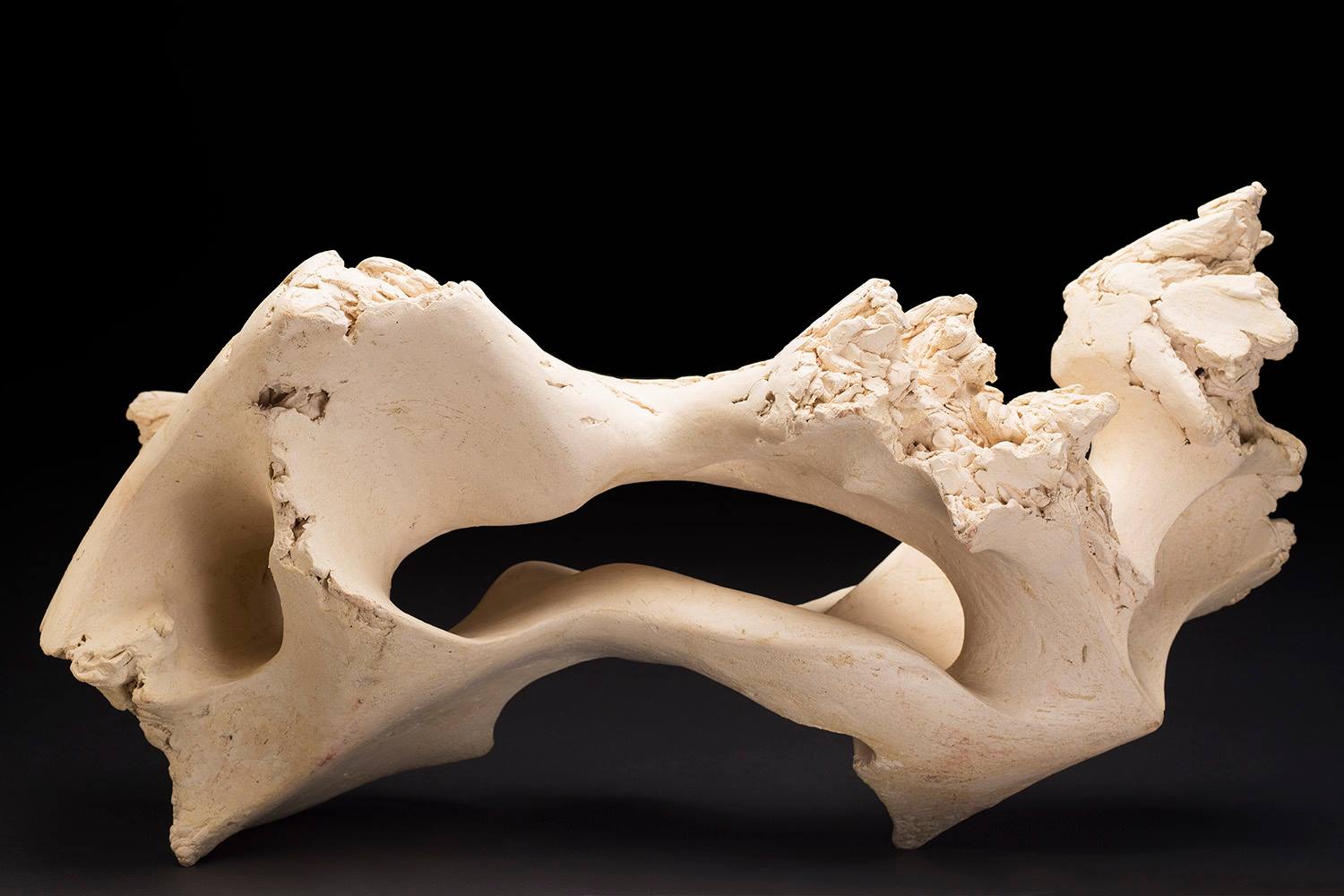
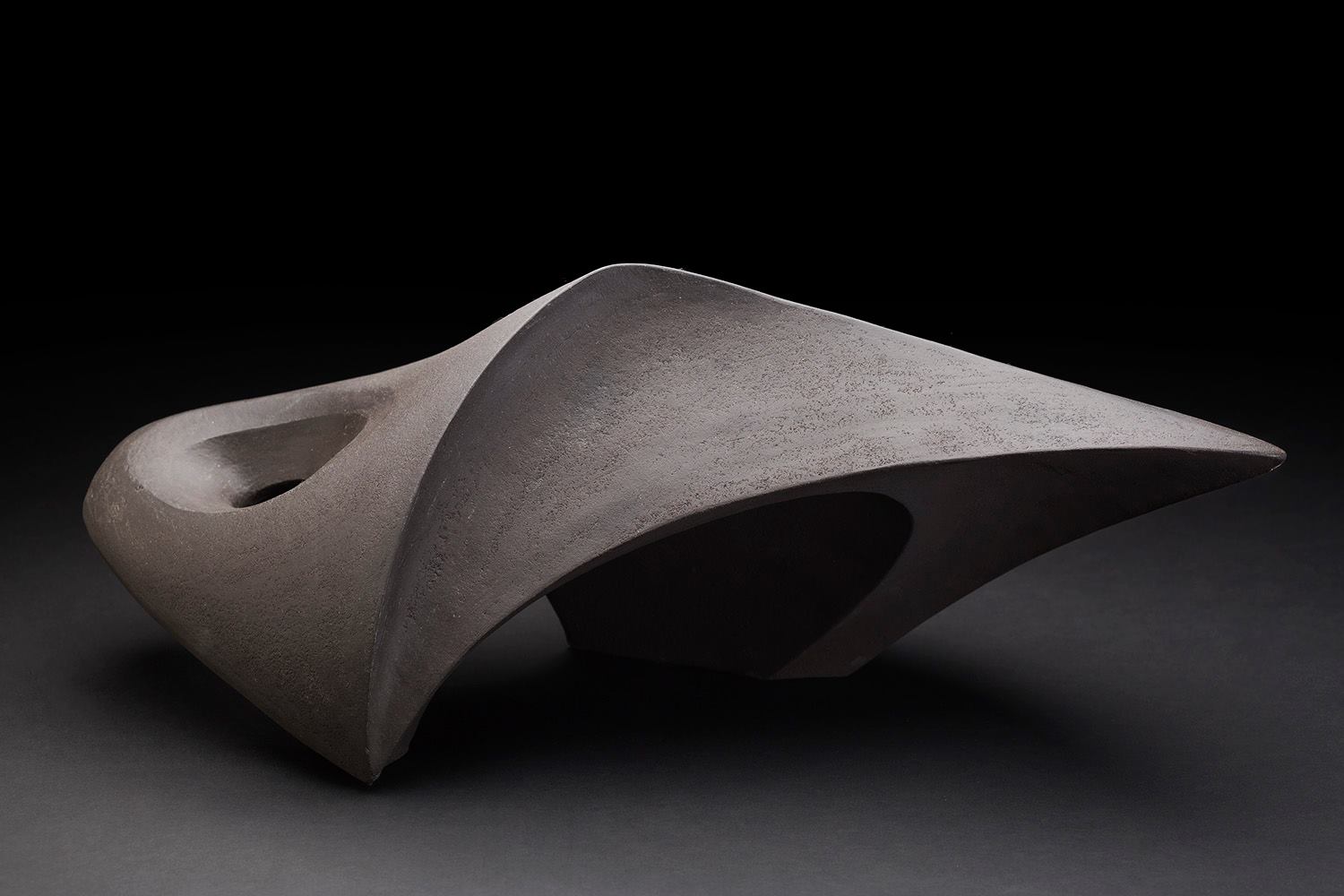
Wyvern V, black ceramic, 26.7 x 50.8 x 25.4 cm. Rebecca Buck.

10985193_10207300632576974_2294998455238573011_o

Wyvern VIII, ceramic, 39 x 71 x 34 cm. Rebecca Buck.

10658835_10207300632176964_1400949773888147250_o

Up Is Down VI, ceramic, 20 x 49 x 31 cm.

11066531_10207300632536973_4455478861361309613_o

Leviathan VI, ceramic, 12.5 x 21 x 8 cm.

This is a selection of images taken by Cavin-Morris Gallery. Go to the Gallery site  to see more beautifully presented photographs of these Artist’s  pieces and the other astonishing work by the Artists represented by this exceptional Gallery. The links from each name here on this post will take you to more information about each Ceramist. I will add more images as I get them.

Sculpture by Rebecca Buck at Cavin-Morris Gallery, New York City, USA.

Sculpture by Rebecca Buck at Cavin-Morris Gallery, New York City, USA.


Studio Diary; The Landscape Project, part 6, Review so far…

It’s the end of the 1st year and time to take stock. You can see the earlier parts of the story via the Contents page. Click on any picture to see it full size.

Stephen Foote and I met up after 30 years. We were good friends as teenagers, both rather disengaged with school, both making art in our own time. 30 years on we both still use art work as a major part of our interaction with this nutty world. Sharing our images was a key way we got to know each other again and harnessing that process in a joint project was simply a way of capturing a what was occurring naturally. We set a straightforward ” Artist Responds to Landscape ” brief and kept a very open mind while we walked, talked, Steve took pictures and I just took it all in. We met every few months and sent each other pictures of the ensuing work in-between times.

Steve is also a Cameraman and was involved in filming for Panorama during the early, very heated phase in Kiev and the Crimea. I was coming to the end of the Up Is Down Series . Our first visit was Bracelet Bay, Mumbles, Swansea. Then we went into Porth Yr Ogof caves and had a mind-blowing day for me; we spent hours in the dark, natural cave while Steve took a fab series of photographs. I stood in the river in the darkness, held the lights and listened to the flow of water, felt the under-ground breezes. From there the project clarified for us as the travels of the water from the sky above the Brecon Beacons to the river, especially the Tawe, down to the wide bay at Swansea, and out into the Ocean where much of it will return to the clouds and begin the circle again.

These pictures are roughly in sequence for the progression of work over the last year with Steve’s Photos next to the related Sculptures.

Bracelet Bay , Stephen Foote.

Bracelet Bay , Stephen Foote.

Up Is Down- in progress

Up Is Down- in progress

10003791_10203331962960554_1179723863_o


Up Is Down- in progress

Up Is Down- in progress

Up is Down IX, 57cm W,

Up is Down IX, 57cm W,

Stephen Foote; Dunes

Stephen Foote; Dunes

Bracelet Bay, Mumbles, Swansea by Steve Foote

Bracelet Bay, Mumbles, Swansea by Steve Foote

in progress, July 2014

in progress, July 2014

Bracelet Bay, Mumbles, Swansea by Steve Foote

Bracelet Bay, Mumbles, Swansea by Steve Foote

in progress August 2014

in progress August 2014

Bracelet Bay, Mumbles, Swansea by Steve Foote.

Bracelet Bay, Mumbles, Swansea by Steve Foote.

It was this fabulous picture that shifted me abruptly into figures, much to my own surprise.

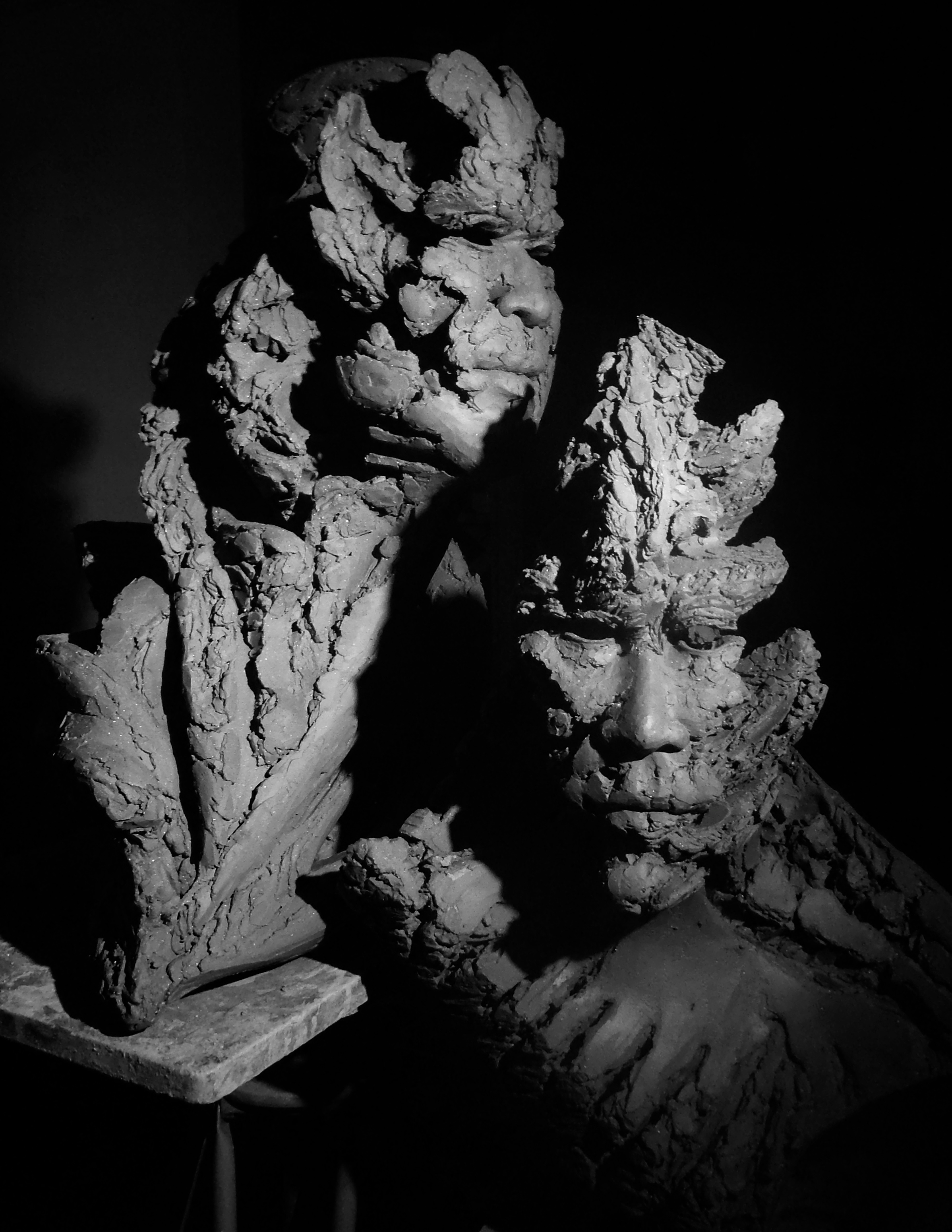
Busts in progress, Aug 2014.

Busts in progress, Aug 2014.

Bracelet Bay, Mumbles, Swansea by Steve Foote

Bracelet Bay, Mumbles, Swansea by Steve Foote

OLYMPUS DIGITAL CAMERA


A narrative developed that was also influenced by the awesome storms of the previous winter. A trio of figures, the Guardians of the Aquasphere, the Lithosphere and the Atmosphere, arose and they and their Harbingers took on characteristics that the  many life-forms of the Biosphere could relate to so that all would understand what was happening; The Triumvirate were going to let loose their forces. This was not to threaten or  punish. They simply knew it was time.


Brecon Beacons, by Steve Foote.

Brecon Beacons, by Steve Foote.

OLYMPUS DIGITAL CAMERA The Atmosphere in the form of an Osprey.


Porth Yr Ogof Cave, Brecon Beacons, by Stephen Foote.2014

Porth Yr Ogof Cave, Brecon Beacons, by Stephen Foote.2014


OLYMPUS DIGITAL CAMERA

Guardian of the Atmosphere, The Osprey


The Wyvern and the Osprey, 2014.

The Wyvern and the Osprey, 2014.

OLYMPUS DIGITAL CAMERA

The Wyvern, Guardian of the Lithosphere.


Frame-works for The Wyvern IV and, in the back ground, The Leviathan.

Frame-works for The Wyvern IV and, in the back ground, The Leviathan.

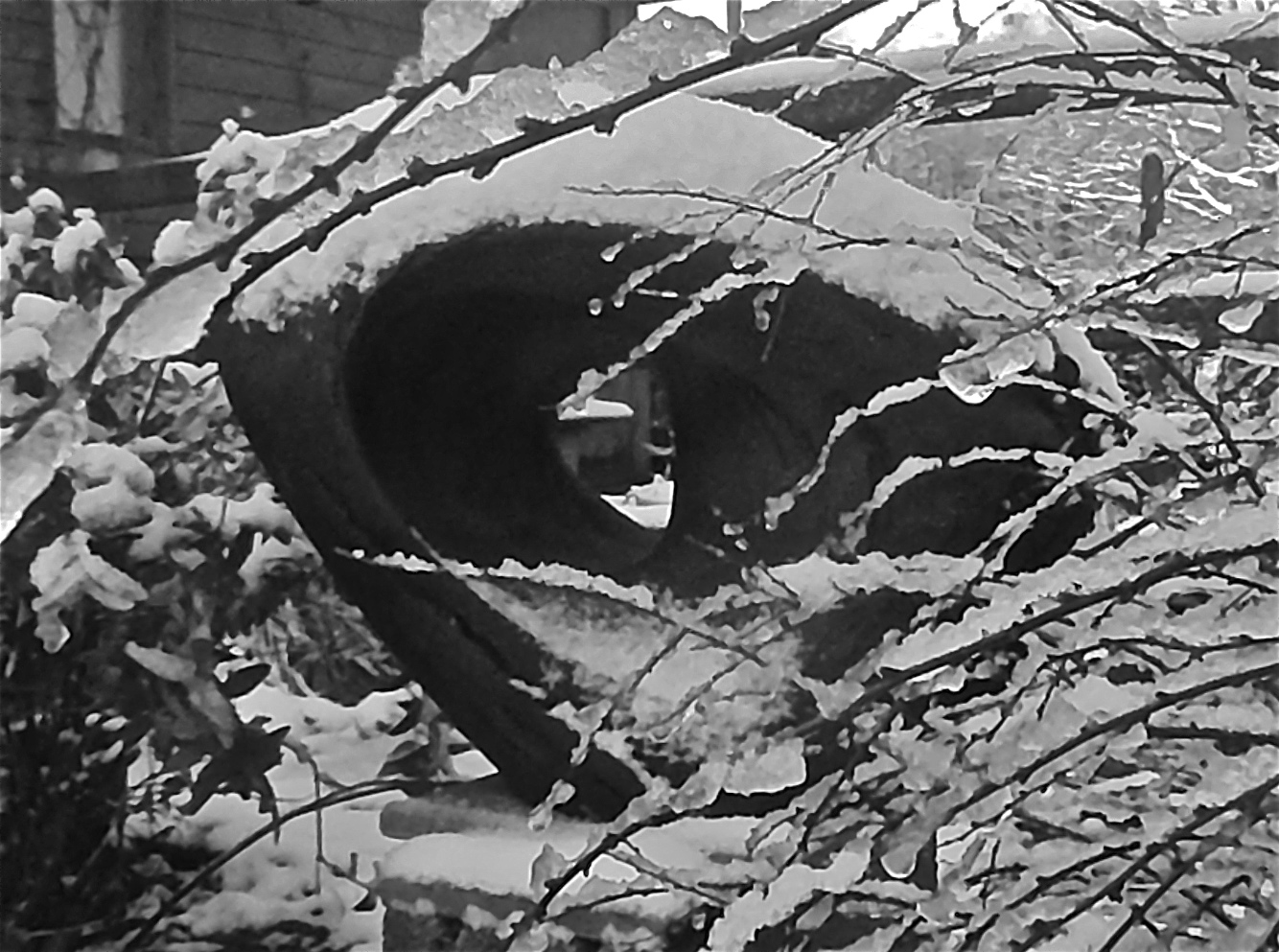
The Lithosphere has The Wyvern, a dragon that has taken a number of forms so far.

The Leviathan in progress, Sept 2014.

The Leviathan in progress, Sept 2014.

The Wyvern and The  Leviathan. in progress, Sept 2014.

The Wyvern and The Leviathan. in progress, Sept 2014.

_F146711

_F147762

OLYMPUS DIGITAL CAMERA

The Wyvern.

1981984_10203331966200635_1180227792_n

Bracelet Bay, Stephen Foote.

OLYMPUS DIGITAL CAMERA

The Wyvern.

_F147928

Bracelet Bay, Stephen Foote.

OLYMPUS DIGITAL CAMERA

The Wyvern.

_F147916 _F147712

OLYMPUS DIGITAL CAMERA

Osprey.
OLYMPUS DIGITAL CAMERA

Wyvern

_1020883

OLYMPUS DIGITAL CAMERA

Leviathon

_F147947

OLYMPUS DIGITAL CAMERA Osprey.

OLYMPUS DIGITAL CAMERA

Leviathon

OLYMPUS DIGITAL CAMERA

Wyvern.

OLYMPUS DIGITAL CAMERA

Wyvern

OLYMPUS DIGITAL CAMERA

Wyvern

The Guardian of the Aquasphere took on the form of the Mountain Ponies that run free in the Beacons.OLYMPUS DIGITAL CAMERA _F148186 _F148023 _F148792 _F148797 OLYMPUS DIGITAL CAMERA   _F147964   OLYMPUS DIGITAL CAMERA OLYMPUS DIGITAL CAMERA _F148811   _F148835  _F148822   _F148837

It has been a fantastic year in the Studio; I am harnessing the narrative and collective sides of the monumental Community Sculptures of the last 13 years. But I’m free to use any scale. The architectural clays I use have given me the freedom to go anywhere in space. My amazing collection of Sculptor and Ceramist friends, from all over the world, on Facebook have encouraged and inspired me enormously. I’m settled into my lovely big Studio ( and gotten over the shock of having it at last!). Stephen and I communicate very well and we egg each other on.

Many thanks to everyone who has visited the work over this last 6 weeks and given invaluable advice and feed-back.I will continue with this series of sculptures until it is done.

We will start a new project focussing specifically on the passage of water from the mountains to the ocean along the  Tawe Valley. We are partnering with some Public art venues and setting up some Community participation to widen our perspective. We will  visit  a small Coal-mine and the Open-cast mine. Only a few years ago, on the 15th of September 2011, 4 men were killed in a dreadful accident at Gleision Colliery when their mine was inundated with water. Making the Pit Markers in Blaengarw, I heard about these type of accidents but, like everyone else, I never thought such a thing could happen here, in this century. From just below the Studio down-wards the River has an extra-ordinary history in the Industrial Revolution.
Neither of us have any idea where this will lead. We feel confident that we have something with substance and a great deal of potential and we have found a work-method that is productive and sustainable. I know from past projects that the community will come up with all sorts of treasures that will lead us into work that is far richer and more interesting than we would make alone. We will trade Workshops in photography and ceramics for input from community groups and individuals. It will be a fun process. We need images, stories, myths, legends,  history-including the ancient history and favourite,  special spots on the river or tributaries.

Portraiture, Clay Armatures and building Hollow Workshop.

Portrait class 2015

The Bust

The key reason making heads is so hard is that the perception (the way we use our knowledge) that we have built up over our lifetime of what shape the head is, is based around communication and assessing each other. Making a head requires going against what ‘feels’ right and using information we are unlikely to have bothered with before. Portraiture has a system to organise the huge quantity of subtle details. Learning this system will broaden your knowledge, and your access to more knowledge, enormously. That’s why the study of Portraiture and Figurative Sculpture is traditionally the bed-rock of Art.

It is not rocket science and you can do it. The challenge will be fascinating and very rewarding.

The Technique

Because clay shrinks as it dries and is floppy when very wet a Clay Armature is invaluable.

Most techniques for building  hollow have a strong ‘voice’ of their own and will influence the final look of the piece. They can demand that you harden lower sections and are then unable to change them when you later realise they are wrong. This is a real disadvantage irregardless of your skill level. It is better to work solid over a clay armature especially if you are not using a scale-model and hollow out just before finishing touches. It’s not difficult.

Or you can use this technique of building out from a Clay Armature to make your sculpture hollow.

Clay armature for a bust, aug 2014

Clay armature for a bust, aug 2014

3rd Bust armature in progress, Aug 2014.

3rd Bust armature in progress, Aug 2014.

OLYMPUS DIGITAL CAMERAOLYMPUS DIGITAL CAMERAOLYMPUS DIGITAL CAMERAOLYMPUS DIGITAL CAMERA

in progress, Aug 2014.

in progress, Aug 2014.

Here I chose to leave gaps that show the Armature but of course you don’t have to. The step by step manner of this method and the fact that you work all over the head  in layers from the start  makes it ideally suited to learning to make Portraits and other Sculpture.

Frame-works for The Wyvern IV and, in the back ground, The Leviathan.

Frame-works for The Wyvern IV and, in the back ground, The Leviathan.

These Armatures or ‘frameworks’ were planned to be very much part of the fractured image. But the ‘corrugation’ and circular holes you can see are strengthening the Armature and would be very suitable to an armature that would ultimately be hidden. Playing around with these Armatures lead the Sculptures in un-anticipated directions (I frequently have no idea what I’m doing, just why!)

The Wyvern and The  Leviathan. in progress, Sept 2014.

The Wyvern and The Leviathan. in progress, Sept 2014.

In this Workshop we will build a strong Armature, work on the Skull loosely for the benefit of looking at that and then build on the external features of the head; the face, ears, hair etc.

The Skull. 2014

The Skull. 2014

The Weekend

We’ll cover Hollowing out too.  You will get my invaluable tirade on joins. We’ll look at some different clays and talk about choosing clays. And we’ll sit down to a relaxing bring and share lunch in true South Wales Potter’s Tradition and talk shop. There will be drinks available all day.

Everyone, from any level of experience, is welcome and will get a lot out of this challenging week-end.

The Fee is £130 which includes 25kg of Scarva Crank (an out-standing sculpture clay), a set of sculpture’s callipers and set of Skull and Skeleton images. The Workshop is to give you the Techniques so that you can develop your own way of using them. Just like learning to play an instrument, practice and adding your own style will give you the results. You are unlikely to complete your head on the week-end and I will encourage you to take it home to work on or break it down and have the clay to use on your next head where you can work more slowly. I can fire your sculpture if you like and we’ll sort that out separately.

It is easy to get here  and there is plenty of Parking and the Studio is not bad for accessibility.

Winter Garden

OLYMPUS DIGITAL CAMERA

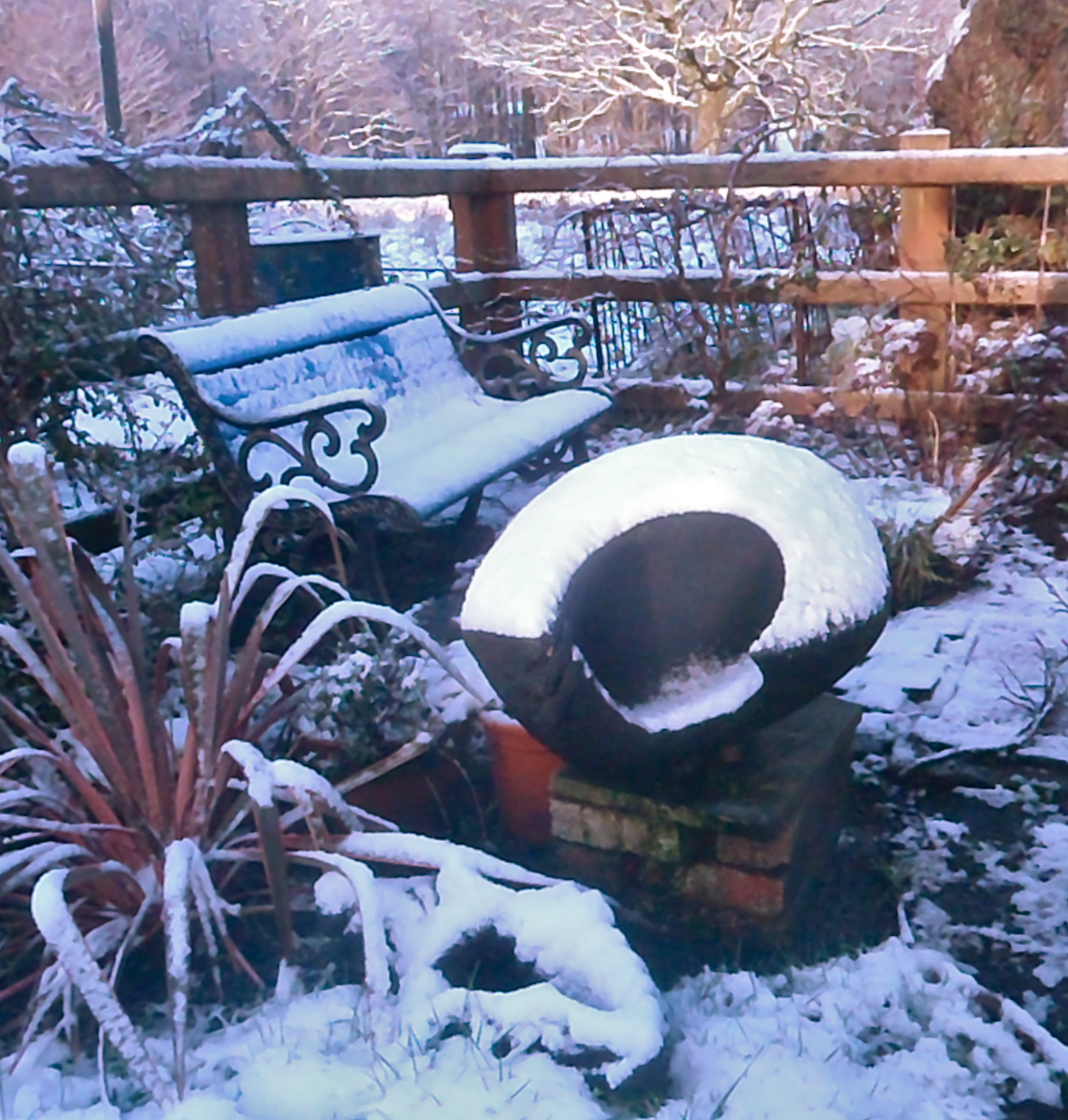
I spend as much time gazing into the garden in winter as I do in summer. I have a lot of bird feeders and I never tire of watching the birds. The Sculptures give the garden structure and a bit of drama, especially in winter.

OLYMPUS DIGITAL CAMERA

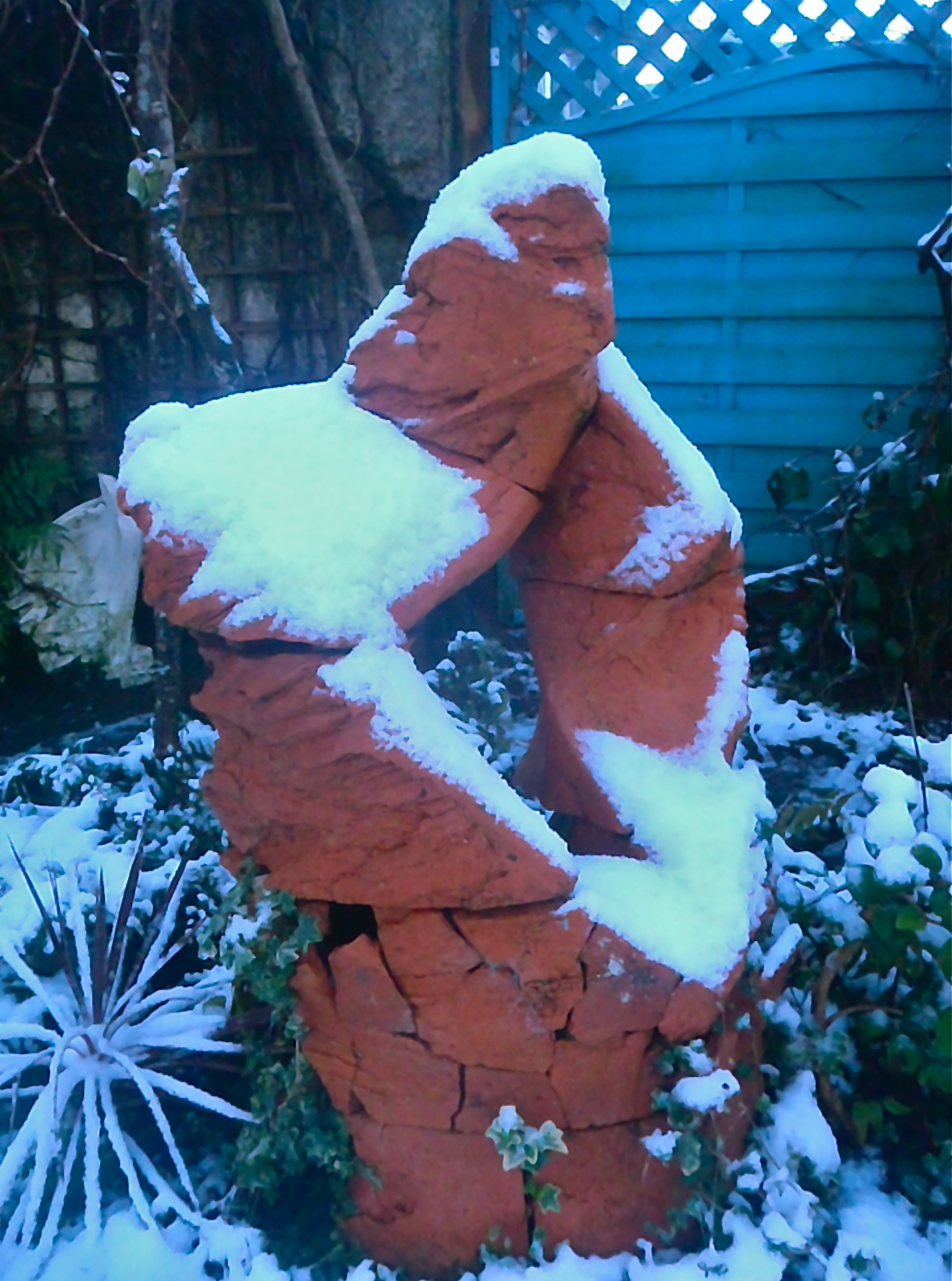
I test pieces out to see how they look in the different light of the changing seasons. I know they are all completely weather-proof but it is reassuring to put them up against the harsh Brecon Beacons winter.

OLYMPUS DIGITAL CAMERA

Parts of the garden that were loveliest in summer can look a random mess in winter and the Sculpture can detract from that.OLYMPUS DIGITAL CAMERA

This slightly crazy looking Harbinger was a technical test piece that got exploded into smithereens  subsequently giving me the opportunity to test some fixing-materials. Like all the sculptures it is hollow and I hope Bees might take it over. It is 130 cm  high and stands straight on the earth. If a piece needs raising up I try and make the plinths double up as toad or hedgehog homes. It’s working because I have both living here and almost no problems with slugs at all! These days I add holes and spaces in all my sculptures for insects to rest in and my garden is always full of bees , especially Bumble Bees. OLYMPUS DIGITAL CAMERA

OLYMPUS DIGITAL CAMERA

OLYMPUS DIGITAL CAMERA


OLYMPUS DIGITAL CAMERA


OLYMPUS DIGITAL CAMERAOLYMPUS DIGITAL CAMERA

Studio Diary, Landscape Project, pt 5.

The Leviathan in progress, Sept 2014.

The Leviathan in progress, Sept 2014

Frame-works for The Wyvern IV and, in the back ground, The Leviathan.

Frame-works for The Wyvern IV and, in the back ground, The Leviathan.

The second framework has become the Leviathan, the guardian of the Aquasphere as The Wyvern is the guardian of the Lithosphere. I will make more versions. These will have a pale gold colour. Next I will make a larger Osprey, guardian of thew Atmosphere, in the same  clay(Scarva ES50 Crank) and then move to the black clays and re-do the set.

The Leviathan in progress, Sept 2014.

The Leviathan in progress, Sept 2014.

The Wyvern and The  Leviathan. in progress, Sept 2014.

The Wyvern and The Leviathan. in progress, Sept 2014.


Studio Diary. Landscape Project, pt3

The Wyvern and the Osprey, 2014.

The Wyvern and the Osprey, 2014.

The story is coming together. My policy of don’t ask too many questions, let the work flow, put in the hours,review completed forms, is working well.

Porth Yr Ogof Cave, Brecon Beacons, by Steve Foote.

Porth Yr Ogof Cave, Brecon Beacons, by Steve Foote.This image and the memory of being down there is still key.

OLYMPUS DIGITAL CAMERA

Balarat Pit Marker, 6m L x 2m H, Blaengarw, Wales.

Balarat Pit Marker, 6m L x 2m H, Blaengarw, Wales.

The idea of the Wyvern, guardian within the land ,started with the Balarat Pit Marker although I didn’t know the name. The Wyvern is a force and can take many forms. The Harbingers I’ve made are similar figures.

River Harbinger,2012

River Harbinger,2012

The Wyvern III, 2014

The Wyvern III, 2014

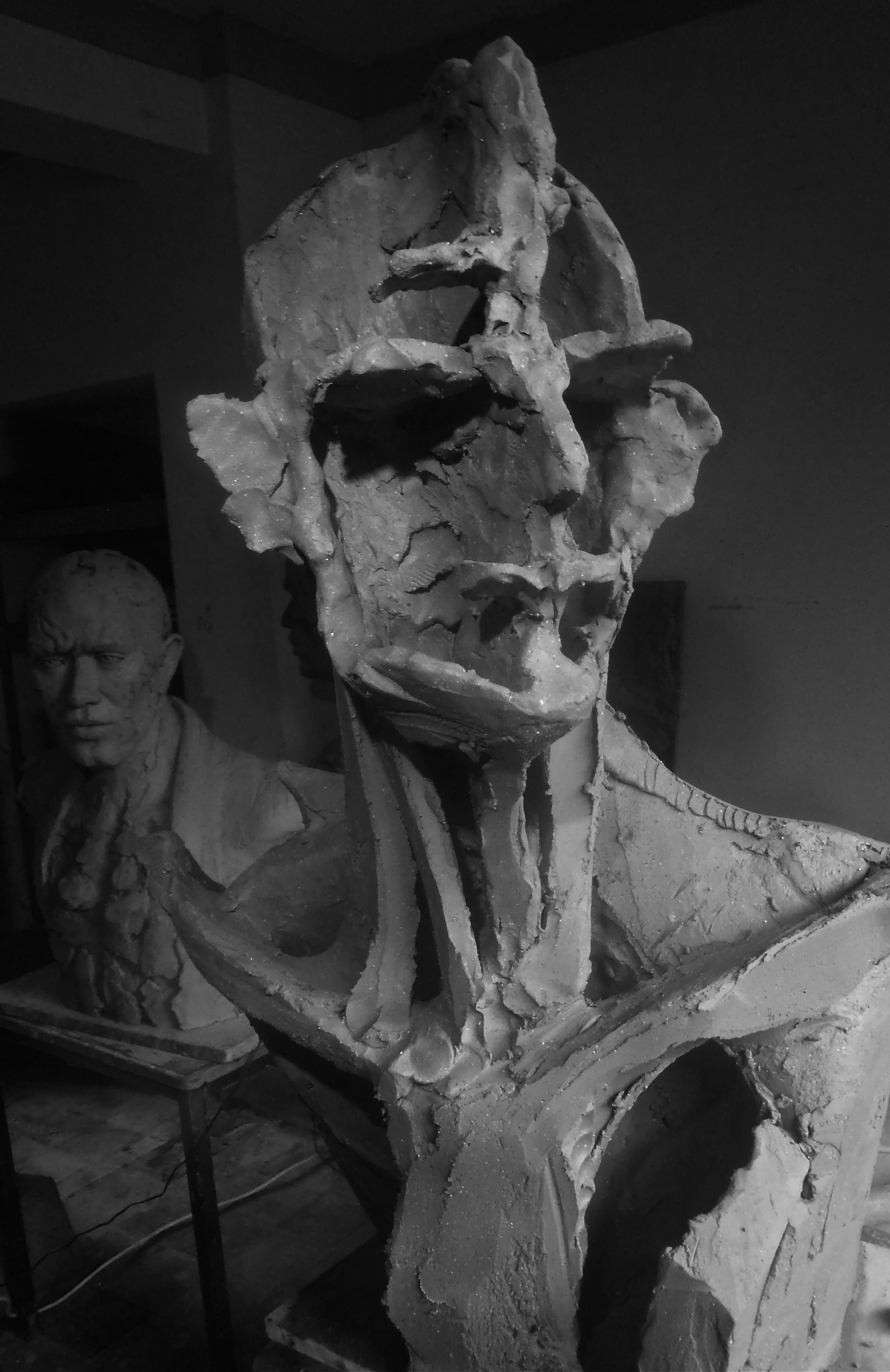
These busts are developing slowly as my portrait skills heat up and I can work more freely.